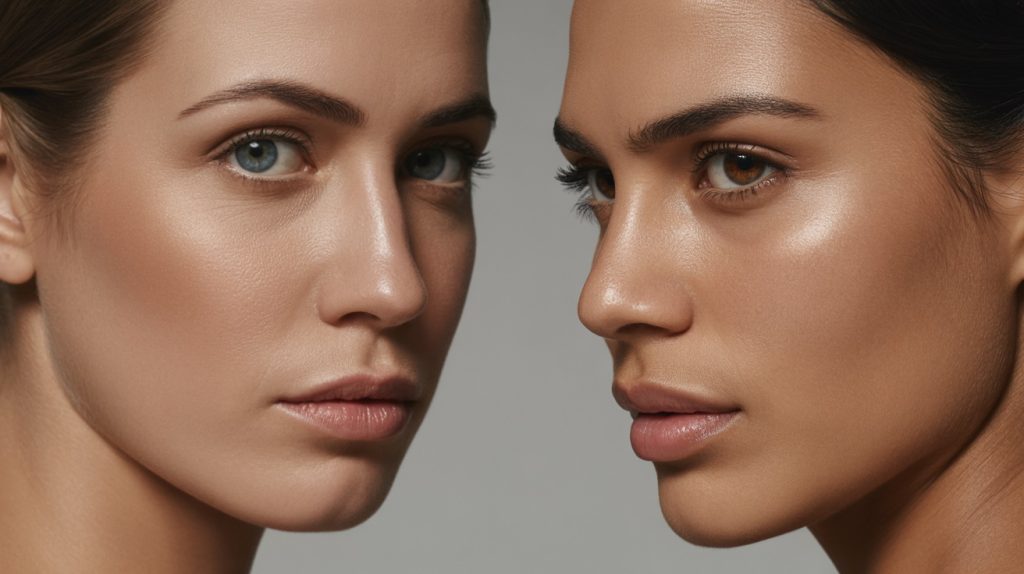
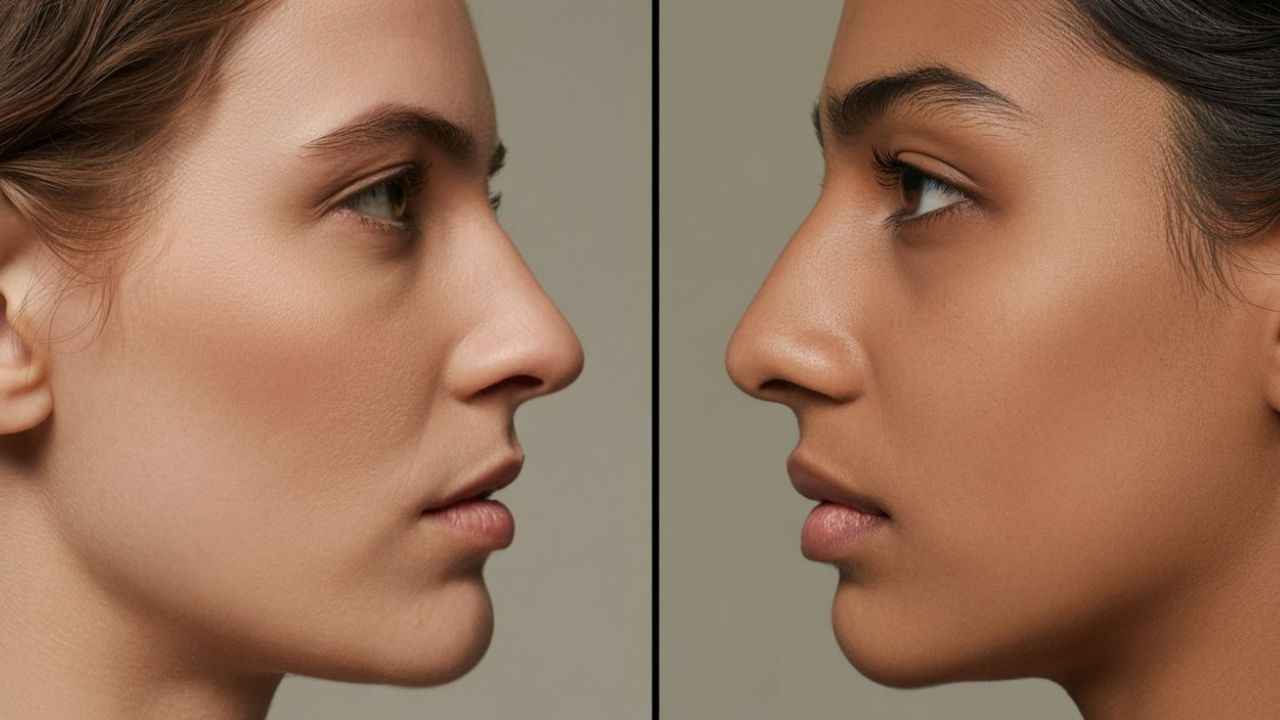
The distinction between low cheekbones vs high cheekbones is a topic that often arises in discussions of facial aesthetics, beauty standards, and cosmetic enhancement. While these terms describe structural differences in facial bone positioning, they are largely shaped by genetics and ethnic background. Still, many people are curious about the differences between them—and more importantly, how to enhance or embrace what they naturally have.
We’ll break down the anatomical, aesthetic, and cultural perspectives on low vs high cheekbones. You’ll also learn how to identify your cheekbone type, discover effective makeup and cosmetic treatment options, and explore professional solutions for cheekbone enhancement.
What Are Low Cheekbones vs High Cheekbones?
Your cheekbones are technically referred to as the malar bones, located beneath the skin and surrounding the eyes. Their position plays a significant role in how your face appears to others.
What Are High Cheekbones?
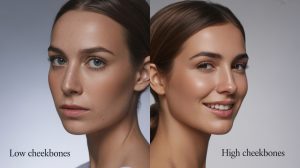
People with high cheekbones have malar bones that sit just below the eyes, usually aligning with the bridge of the nose. When looking at such a face in profile or under direct lighting, these cheekbones tend to catch light naturally, giving a sculpted or angular appearance. This structure is often praised in the fashion and beauty industries for its association with youthfulness and definition.
What Are Low Cheekbones? Low Cheekbones vs High Cheekbones
In contrast, low cheekbones are placed further down on the face—closer to the bottom of the nose or even the top of the mouth. This facial structure may give the midface a softer or more elongated appearance. Contrary to common misconceptions, low cheekbones are not less attractive. Beauty is highly subjective and culturally influenced.
How to Identify Your Cheekbone Structure at Home?
Wondering whether you have high or low cheekbones? Here’s a simple method to determine your cheekbone placement:
Stand in front of a well-lit mirror with a clean, makeup-free face.
Place your thumbs on the cartilage just in front of your ear canal (the tragus).
Put your index fingers at the bottom of your nostrils.
Draw your fingers together over your face slowly until they meet.
Press gently—you’ll feel the ridge of your cheekbone beneath the skin.
Now take a look in the mirror. If your cheekbone aligns with the bottom of your nose, you likely have low cheekbones. If it’s directly beneath your eyes, you probably have high cheekbones.
Cultural Perceptions of Cheekbones
Throughout history, different cultures have assigned aesthetic value to different facial structures. For example:
In East Asian beauty standards, soft and rounded cheekbones may be favored.
In Western aesthetics, high and sharp cheekbones are often idealized.
In African and Indigenous populations, prominent cheekbone structure is natural and often celebrated within communities.
These differences underline that low cheekbones vs high cheekbones is not a matter of better or worse—it’s about uniqueness and identity.
Appearance Differences of Your Cheekbones (Low Cheekbones vs High Cheekbones)
If you’re curious about ways to modify or highlight your natural cheekbone structure, you have several options—from simple makeup tricks to more lasting medical procedures.
Makeup Techniques for Cheekbone Enhancement (Low Cheekbones vs High Cheekbones)
Makeup Techniques for Cheekbone Enhancement (Low Cheekbones vs High Cheekbones)
Makeup is a powerful, non-invasive tool that can completely alter the perception of your facial structure.
Step-by-Step Contouring for Higher-Looking Cheekbones:
Suck in your cheeks to locate the hollows beneath your cheekbones.
Apply a bronzer two shades darker than your natural skin tone directly beneath the cheekbone.
Blend the bronzer outward toward the top of your ear using upward strokes.
Use a highlighter just above the cheekbone, under the eyes, to reflect light and enhance contrast.
Use a foundation or beauty blender to seamlessly blend bronzer and highlighter into your skin tone.
Makeup artists often say, “It’s not about what you have—it’s about what you create with light and shadow.”
Cosmetic Procedures for Long-Term Cheekbone Definition
Many individuals seek ways to achieve more defined and prominent cheekbones to enhance facial symmetry and balance. While genetics determine your natural bone structure, cosmetic procedures can offer effective and lasting improvements. In this section, we’ll explore two of the most common solutions: dermal fillers and cheekbone implants.
Dermal Fillers
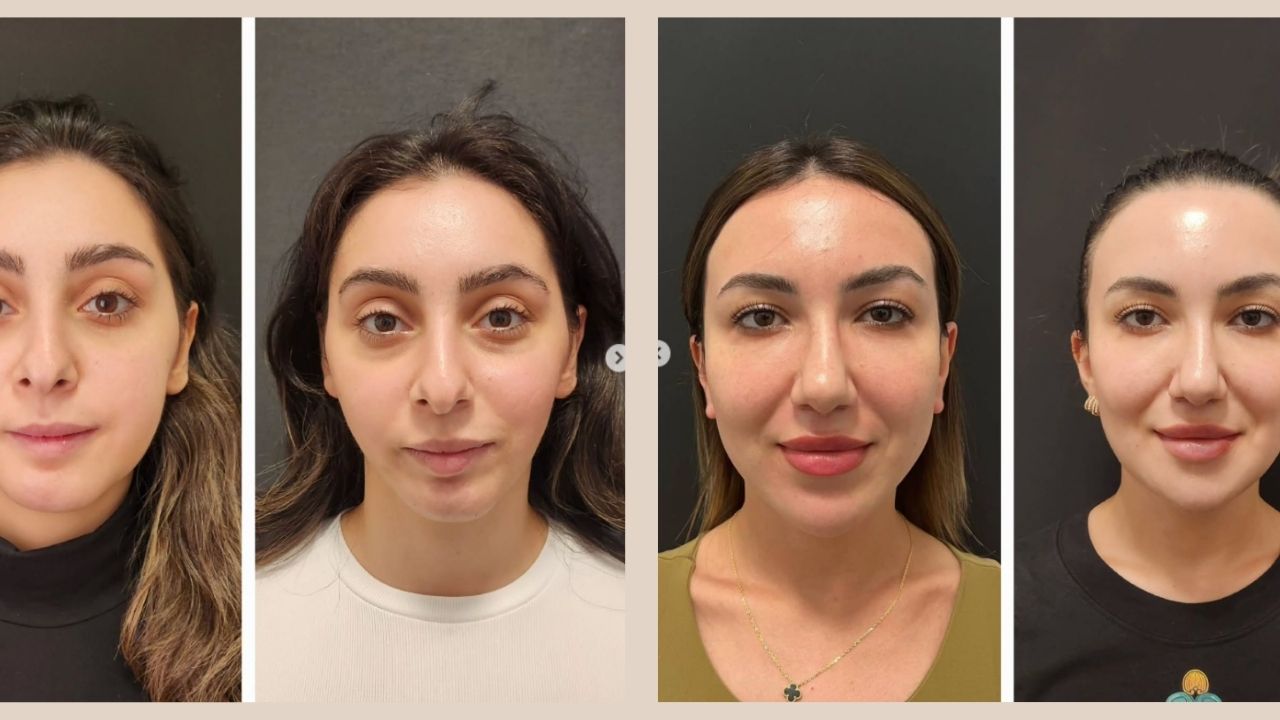
Dermal fillers—typically composed of hyaluronic acid (HA)—offer a non-surgical way to enhance cheekbone definition. When injected into the malar region, they create subtle lift and volume, mimicking the appearance of high cheekbones. Results are temporary but effective, making fillers a popular first-step option for facial contouring.
Brands: Juvederm, Restylane, Zyplast
Duration: Effects last 6 to 12 months
Recovery: Minimal downtime, minor bruising
Cheekbone Implants (Low Cheekbones vs High Cheekbones)
Cheekbone implants are a permanent surgical option for enhancing facial structure and achieving pronounced cheekbone contours. During the procedure, a silicone implant is inserted through a small incision, typically inside the mouth or near the lower eyelid. The outcome is long-lasting, though recovery involves some swelling and discomfort in the first week.
Recovery Time: 7 to 10 days of swelling and discomfort
Result: Long-lasting, natural enhancement
Note: As with any surgery, implants carry risks such as infection, nerve damage, or asymmetry. Always consult with a board-certified surgeon.
When to See a Specialist
When to See a Specialist?
Schedule a personalized consultation with Prof. Dr. Celal Çandırlı—a leading expert in facial structure and cosmetic procedures. Whether you’re curious about your options or ready for transformation, Prof. Dr. Çandırlı can guide you through the safest and most effective path to achieving your desired look.
Do Low Cheekbones vs High Cheekbones Define Attractiveness?
There is no universal formula for beauty. The obsession with high cheekbones comes and goes with fashion and media trends. However, the truth is simple: beauty lies in symmetry, expression, and confidence. Some of the most admired faces in history have low cheekbones, while others have high.
Rather than focusing on changing your face to fit someone else’s standard, consider enhancing your natural features in a way that makes you feel empowered.
Real Differences Between The Low Cheekbones vs High Cheekbones
In the debate of low cheekbones vs high cheekbones, there is no “winner.” Both have their own beauty, charm, and unique expression. The location of your cheekbones is largely predetermined by your genetics—but how you choose to highlight them is entirely up to you.
From subtle makeup shifts to advanced cosmetic treatments, you have the tools to enhance your features in any way that feels authentic. Whether you’re embracing your natural look or exploring enhancement options, remember: beauty is personal—and confidence is always in style.
If you need professional guidance, Book your consultation with Prof. Dr. Celal Çandırlı today and discover your most confident self.
Frequently Asked Questions About Low Cheekbones vs High Cheekbones
What are low cheekbones?
Low cheekbones are positioned closer to the bottom of the nose and the corners of the mouth rather than near the eyes. This placement often gives the face a softer, rounder appearance and can make the mid-face look shorter.
What are high cheekbones?
High cheekbones sit closer to the eyes and temples, creating a lifted and more sculpted facial structure. They are often associated with strong facial definition and a more angular or contoured look.
How can you tell if you have low or high cheekbones?
You can identify cheekbone height by feeling where the most prominent bone sits in relation to your eyes and nose. If the fullest part is near the lower eye area, you likely have high cheekbones; if it is closer to the nose or mouth, they are considered low.
Are high cheekbones considered more attractive?
High cheekbones are often perceived as attractive because they create facial symmetry and definition. However, attractiveness is subjective and heavily influenced by cultural standards, personal preference, and overall facial harmony.
Do low cheekbones make the face look rounder?
Yes, low cheekbones can contribute to a rounder or softer facial appearance. This is because they provide less vertical lift to the mid-face compared to high cheekbones.
Are cheekbone heights genetic?
Cheekbone structure is largely determined by genetics and inherited facial bone anatomy. While aging and weight changes can affect appearance, the underlying bone position does not change naturally.
Can makeup enhance low or high cheekbones?
Makeup techniques such as contouring and highlighting can visually lift or define cheekbones. Strategic placement of contour below the cheekbone can make low cheekbones appear higher, while highlighting can enhance naturally high cheekbones.
Can cosmetic procedures change cheekbone appearance?
Yes, dermal fillers, fat grafting, and cheek implants can alter the appearance of cheekbone height and projection. These procedures are commonly used to enhance facial contour and balance.
Do cheekbones change with age?
Cheekbones themselves do not move, but fat loss and skin laxity can make them appear flatter or lower over time. This is why the face may lose definition as part of the aging process.
Which face shapes usually have high cheekbones?
High cheekbones are commonly seen in oval, heart-shaped, and diamond face shapes. These face types often have more prominent bone structure in the mid-face area.

 How to Identify Your Cheekbone Structure at Home?