The prices of facial implants for men can vary depending on the type of implant, the complexity of the procedure, and the level of customization required to achieve natural and masculine results. Many men choose facial implants to enhance features such as the jawline, chin, and cheekbones — and understanding the cost structure helps in making an informed decision. Rather than focusing only on the lowest price, it is important to consider surgeon expertise, implant quality, safety standards, and post-operative care, as these factors all play a key role in both the outcome and long-term satisfaction.
In recent years, more men have begun choosing aesthetic procedures designed not to change who they are, but to enhance masculine features and improve confidence. One of the most popular options is facial implant surgery for men — especially for the chin, jawline, and cheekbones. When researching treatment, one of the most common questions patients ask is about the prices of facial implants for men and what determines the overall cost. Understanding what goes into pricing helps men make informed, confident decisions about their treatment journey.
What Affects the Prices of Facial Implants for Men?
The prices of facial implants for men are not fixed, because every procedure is planned around the individual’s anatomy, goals, and clinical needs. Several important factors influence total cost, including:
The type of implant (chin, cheek, or jawline)
The material and customization of the implant
The surgeon’s experience and expertise
Hospital or surgical facility fees
Anesthesia and medical team support
Whether multiple implants or combined procedures are performed
Post-operative care and follow-up
Because of these variables, the prices of facial implants for men can range significantly — meaning a personal consultation is the only way to receive an accurate quote tailored to your case.
Types of Facial Implants Used for Men
Why Do Men Choose Facial Implants?
Unlike women, men often seek stronger and more angular facial features rather than softer contours. A defined jawline, structured cheekbones, and a firm chin are closely associated with masculinity, confidence, and presence. Facial implants help create long-lasting definition — and when men begin researching treatment, the prices of facial implants for men naturally become an important part of the decision-making process.
Common reasons men consider implants include:
A weak or recessed chin
A poorly defined jawline
Flat or asymmetrical cheekbones
Age-related volume loss or structural changes
Desire for a stronger, more masculine profile
Types of Facial Implants for Men
The prices of facial implants for men will vary depending on which area is being enhanced:
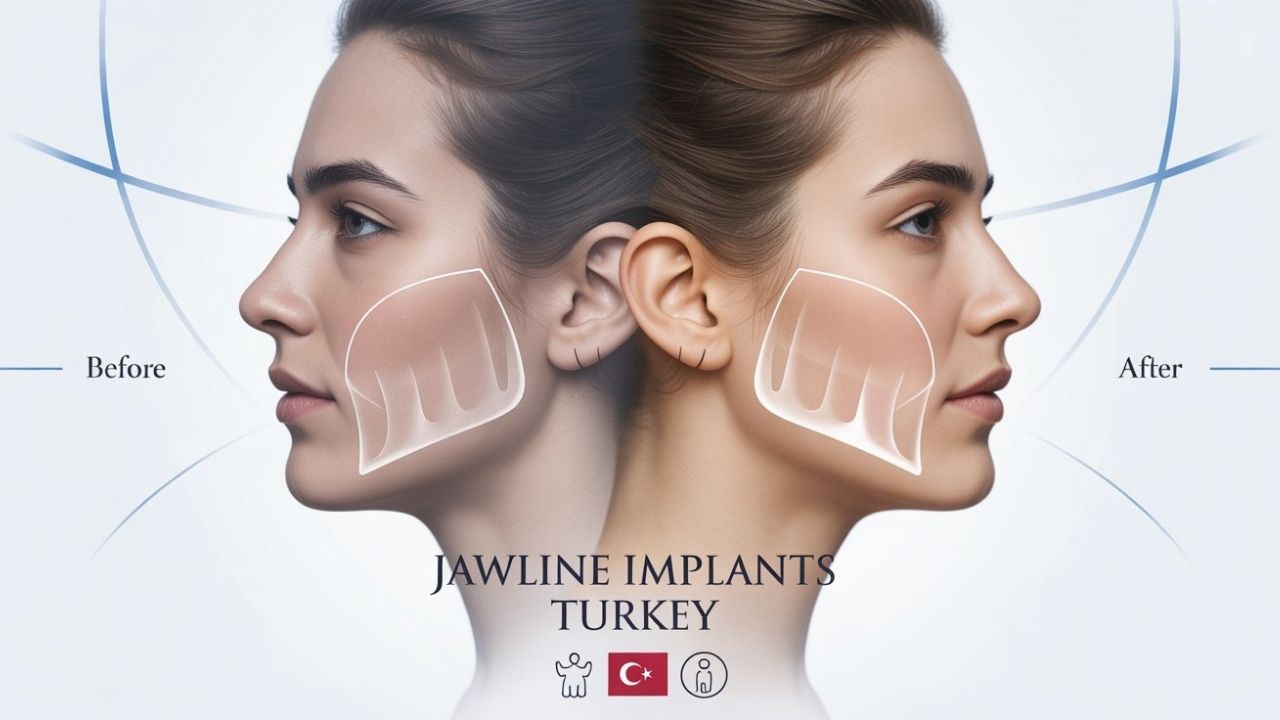
Jawline Implants
Used to create a strong, angular jawline and improve side-profile definition. These implants often require careful customization — which may influence pricing.
Chin Implants
Designed to enhance chin projection and improve balance with the nose and lower face. Chin surgery is one of the most commonly requested male procedures.
Cheek Implants
Used to restore structure in the mid-face while maintaining a masculine, defined look rather than fullness.
What Is Included in the Prices of Facial Implants for Men?
What Is Included in the Prices of Facial Implants for Men?
When comparing the prices of facial implants for men, it’s important to understand exactly what is included. A high-quality surgical plan typically covers:
Consultation and treatment planning
Pre-operative imaging or scans if needed
Custom or selected implant
Hospital or surgical facility costs
Surgeon and medical team fees
General or local anesthesia
Post-operative medications or aftercare items
Follow-up appointments
Choosing a significantly cheaper option may mean compromises in quality, implant type, facility standards, or after-care. For this reason, patients are encouraged to evaluate value — not just cost — when reviewing the prices of facial implants for men.
Benefits of Facial Implants for Men
Natural-looking masculine enhancement
Permanent structural improvement
Better balance and facial proportion
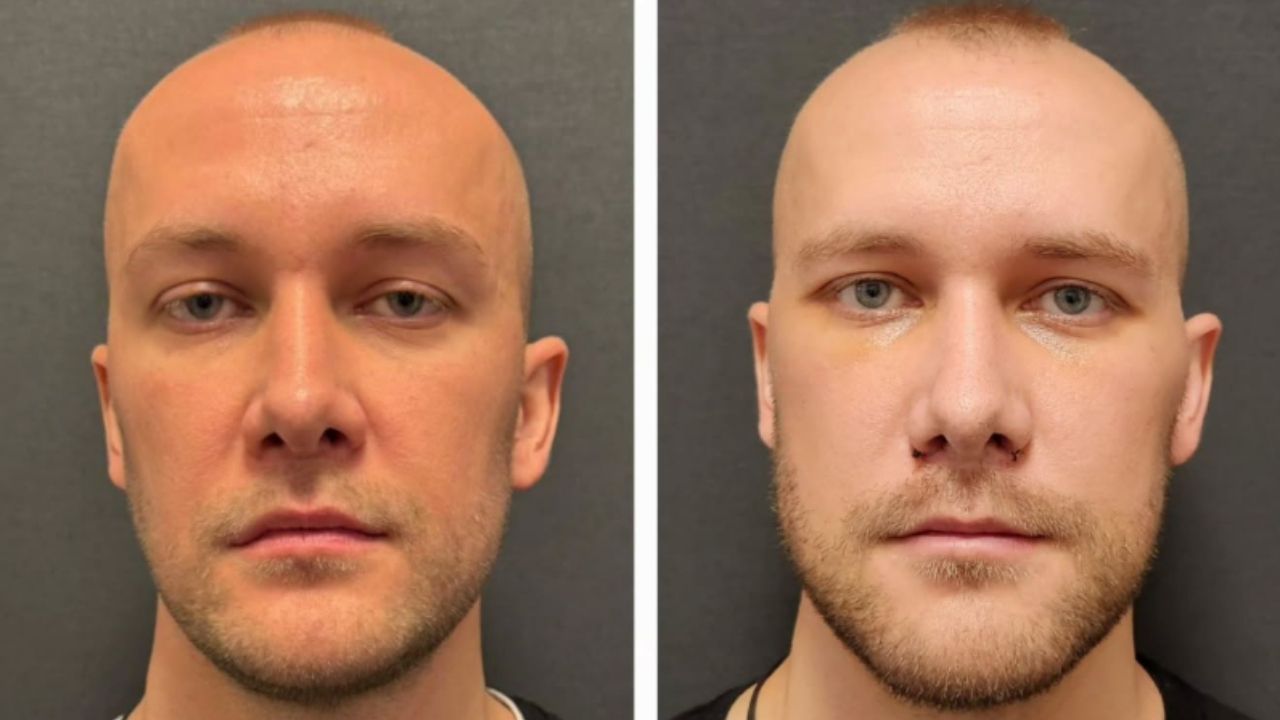
Improved jawline and profile definition
Boosted self-confidence
Experienced surgeons design treatment around bone structure, skin thickness, and facial symmetry — meaning outcomes are tailored rather than “one-size-fits-all.” This level of planning also influences the prices of facial implants for men, as higher-precision care delivers safer and more satisfying long-term results.
One of the biggest concerns for male patients is avoiding an artificial or “operated” look. Well-selected implants should simply enhance structure — not change personality or expression. When performed correctly, people may notice you look stronger or more defined, but not necessarily know why.
Your suitability — and the prices of facial implants for men for your treatment — will be determined during a professional assessment.
Recovery and Healing
Most men return to normal routines gradually after surgery. Swelling and tightness are expected early on, and results continue to refine as tissues settle. Your surgeon will provide full after-care guidance to ensure comfort and proper healing — all of which is part of the service when considering the prices of facial implants for men.
Implants vs Fillers — A Cost Perspective
Many men compare facial implants with dermal fillers. While fillers cost less upfront, they require regular maintenance and repeat sessions — meaning long-term expenses can exceed the prices of facial implants for men. Implants provide:
Permanent structural support
Predictable contouring
Masculine, long-term results
Less ongoing maintenance
Frequently Asked Questions About Prices of Facial Implants for Men
How much do facial implants cost for men?
Prices vary depending on the type of implant, customization, surgeon expertise, and hospital fees. A consultation is needed for an accurate estimate tailored to your needs.
Are facial implants worth the investment?
For many men, implants provide lifelong improvement — meaning they can be more cost-effective than temporary treatments repeated over time.
Do insurance plans cover facial implants?
Cosmetic implants are usually not covered. However, implants for reconstructive or trauma-related reasons may sometimes qualify depending on policy terms.
Why do prices of facial implants for men differ between clinics?
Differences in surgeon training, jawline implant quality, technology, safety standards, and after-care services all influence final cost.
Ultimately, the prices of facial implants for men reflect not just the procedure itself — but the quality of planning, safety, expertise, and long-term satisfaction behind it.
What is the best age for a male facelift?
There is no single “best” age for a male facelift. Many men consider a facelift between the ages of 45–65, when skin laxity, jowling, and deep folds become more noticeable. The decision is based on facial aging, skin condition, lifestyle, and overall health rather than age alone. A consultation helps determine whether a facelift or a less invasive option is more appropriate.
Are facial implants safe?
Facial implants are generally considered safe when performed by an experienced, qualified surgeon. The implants are made from biocompatible materials designed to integrate safely with surrounding tissues. As with any surgery, there are risks such as infection, movement of the implant, or dissatisfaction with the result, which should be discussed during consultation.
What is the most common implant for men?
Among men, jawline and chin implants are the most common. These implants enhance lower-face definition and help create a stronger, more masculine profile. Cheek implants are also used but are typically designed to maintain a structured, natural look rather than adding fullness.
How much does facial masculine surgery cost?
The cost of facial masculinization or implant surgery varies widely depending on the type of procedure, the surgeon’s expertise, anesthesia, hospital fees, and whether multiple procedures are combined. A personalized consultation is needed to provide an accurate cost estimate.
What age is best for top surgery?
Top surgery is typically considered for adults who are emotionally and physically prepared, have realistic expectations, and meet clinical evaluation criteria. Many patients undergo the procedure in their 20s or 30s, but suitability is based more on readiness and health than age.
How painful is facial surgery?
Most facial surgeries involve temporary discomfort, swelling, and tightness during the initial healing period. Pain is usually manageable with prescribed medication and improves over the following days to weeks. Your surgeon will provide guidance on pain control and recovery.
What are the top 3 riskiest surgeries?
Risk varies depending on the patient, type of surgery, anesthesia, and overall health. In general medicine, high-risk surgeries include major heart surgery, brain surgery, and complex organ transplants. Cosmetic facial surgery is typically considered elective and is carefully planned to minimize risk — but complications are still possible and should be fully discussed with your surgeon.
How long do facial implants last?
Facial implants are designed to be long-lasting or permanent. Most patients never need replacement unless complications occur or personal preferences change. Regular follow-ups help ensure long-term stability.
What are the negative side effects of implants?
Possible side effects may include swelling, bruising, temporary numbness, infection, implant shifting, or asymmetry. Serious complications are uncommon when surgery is performed by a specialist, but all risks should be reviewed before treatment.
What happens 10 years after a facelift?
A facelift does not stop the natural aging process, but many improvements remain visible even 10 years later. Skin and tissues will continue to age, but patients usually look younger than if they had not undergone surgery. Maintenance treatments may help preserve results.
How to tell if a man has had a facelift?
When performed skillfully, a male facelift should look natural and subtle. Signs such as tight skin, poorly placed scars, or an over-pulled look are less common today thanks to modern techniques focused on restoring structure rather than simply tightening skin.
What is a mini facelift for men?
A mini facelift is a less invasive version of a full facelift, typically focusing on mild to moderate sagging in the lower face and jawline. It usually involves shorter incisions, quicker recovery, and more subtle improvement compared with a traditional facelift.