Facial implants for asymmetry is far more common than most people realize. In fact, virtually every face has some degree of imbalance — a slightly higher eyebrow, a fuller cheek on one side, or a jawline that angles differently from left to right. However, when asymmetry is more noticeable, it can affect self-confidence, facial harmony, and even function. That is where facial implants for asymmetry come in. These advanced, precision-designed implants restore balance by enhancing the weaker or smaller side of the face, helping patients achieve a more proportional and naturally symmetrical appearance.
In this comprehensive, patient-focused guide, you’ll learn exactly how facial implants correct asymmetry, who is a good candidate, how results look before and after surgery, and why working with an expert maxillofacial surgeon is essential. If you’re exploring treatment and want specialist-level care, you can begin your journey with the experienced team at MaxFace Implant Center, an international destination for advanced facial implant surgery.
What Are Facial Implants for Asymmetry?
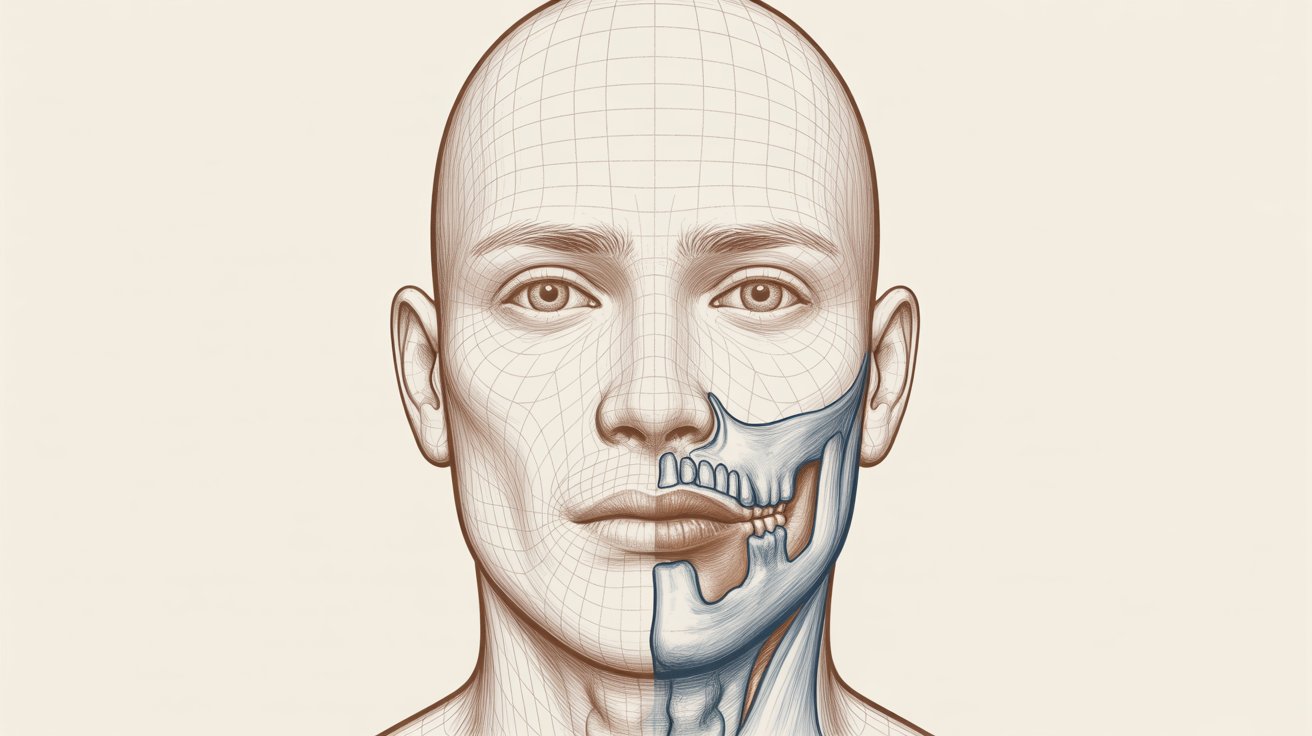
Facial implants for asymmetry are medical-grade implants placed along the facial skeleton to correct uneven structure or volume differences. They may be used in the chin, jawline, cheeks, or midface — and in many cases, custom implants are digitally designed to match the patient’s unique bone anatomy.
Unlike fillers, which only add soft-tissue volume and dissolve over time, facial implants provide structural correction. This means they address the true root of facial imbalance — the underlying bone — allowing for long-term or permanent improvement in facial harmony.
Asymmetry may be mild, moderate, or severe and may result from:
Genetic developmental differences
Congenital facial deformities
Previous surgery or dental treatment
Facial trauma or fractures
Jaw misalignment
Soft-tissue imbalances or aging
Facial implants can restore balance in a subtle, natural-looking way — without changing who you are.
Which Areas Can Be Treated with Facial Implants for Asymmetry?
Several regions of the face may benefit from implants depending on where asymmetry occurs.
Chin Implants
Chin implants correct differences in projection or shape between the left and right side of the chin. They are especially useful when the chin appears recessed, narrow, or uneven in profile.
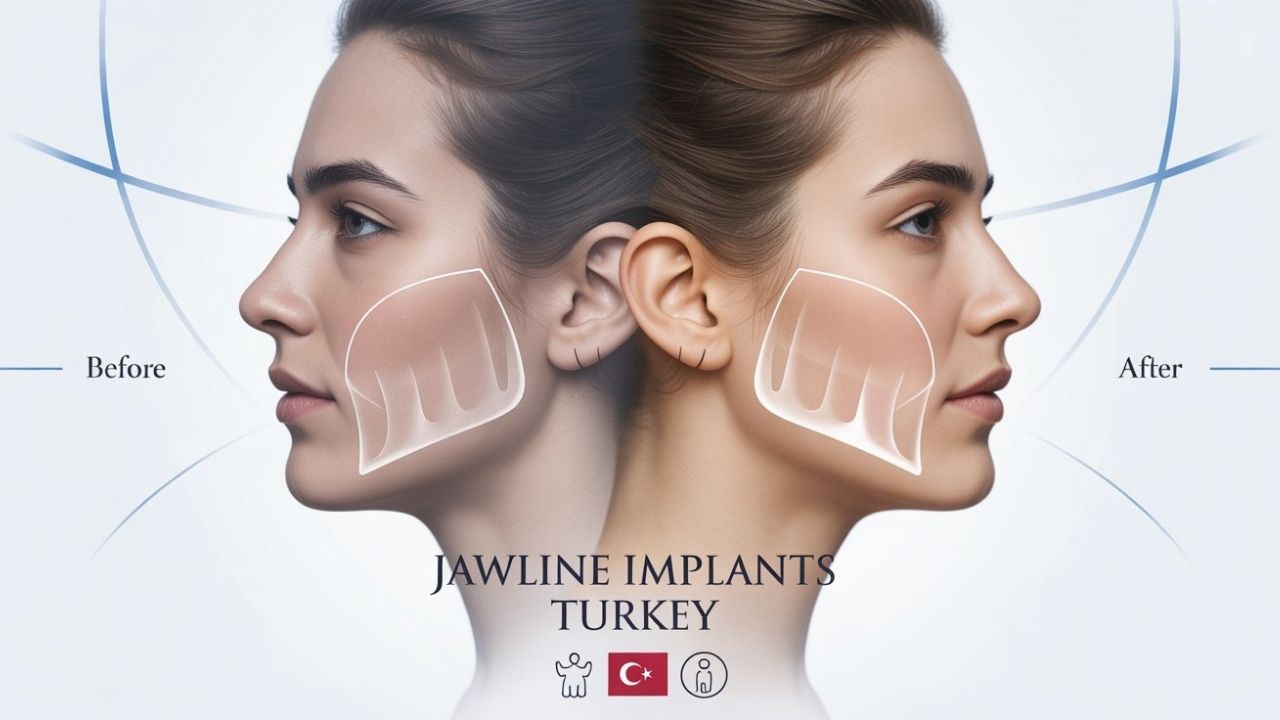
Jawline Implants
Jawline implants create stronger definition and correct differences in width or angle between both sides of the lower face. They are often combined with chin implants for balanced contouring.
Cheek Implants
Cheek implants add volume and support to the midface — ideal for hollow or under-projected cheeks that make one side appear flatter.
Custom Facial Implants
For complex asymmetry, custom implants are created using 3D imaging and digital design technology. They are sculpted to match the exact needs of the patient and provide a truly tailored result.
At MaxFace Implant Center, implant selection and planning are always personalized to ensure balance, safety, and natural outcomes.
How Do Facial Implants for Asymmetry?
The goal is not to create a “perfectly identical” face — true symmetry rarely exists in nature. Instead, facial implants aim to restore proportion, balance, and visual harmony.
The process usually involves:
Detailed facial assessment
Digital 3D scanning and simulation
Selection or design of the implant
Surgical placement along the bone
Fine adjustments for precision
Once healing is complete, the implants integrate with your natural facial shape — giving a refined and permanent improvement in symmetry.
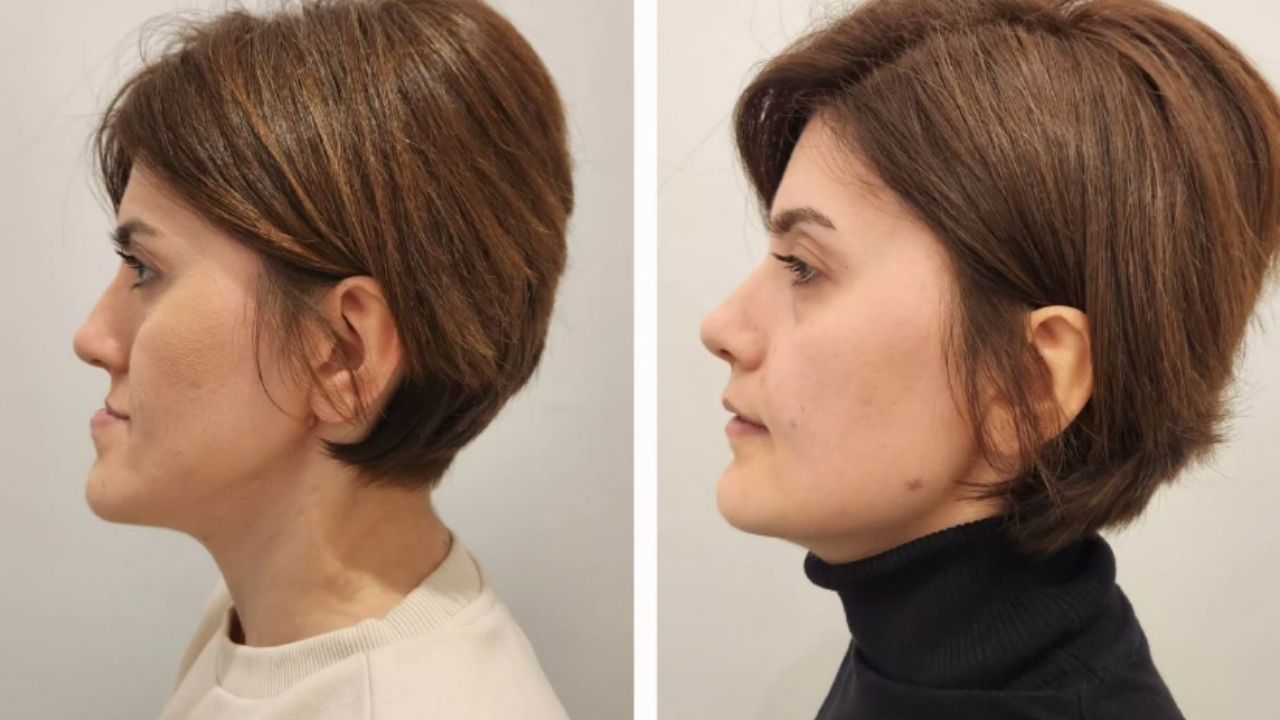
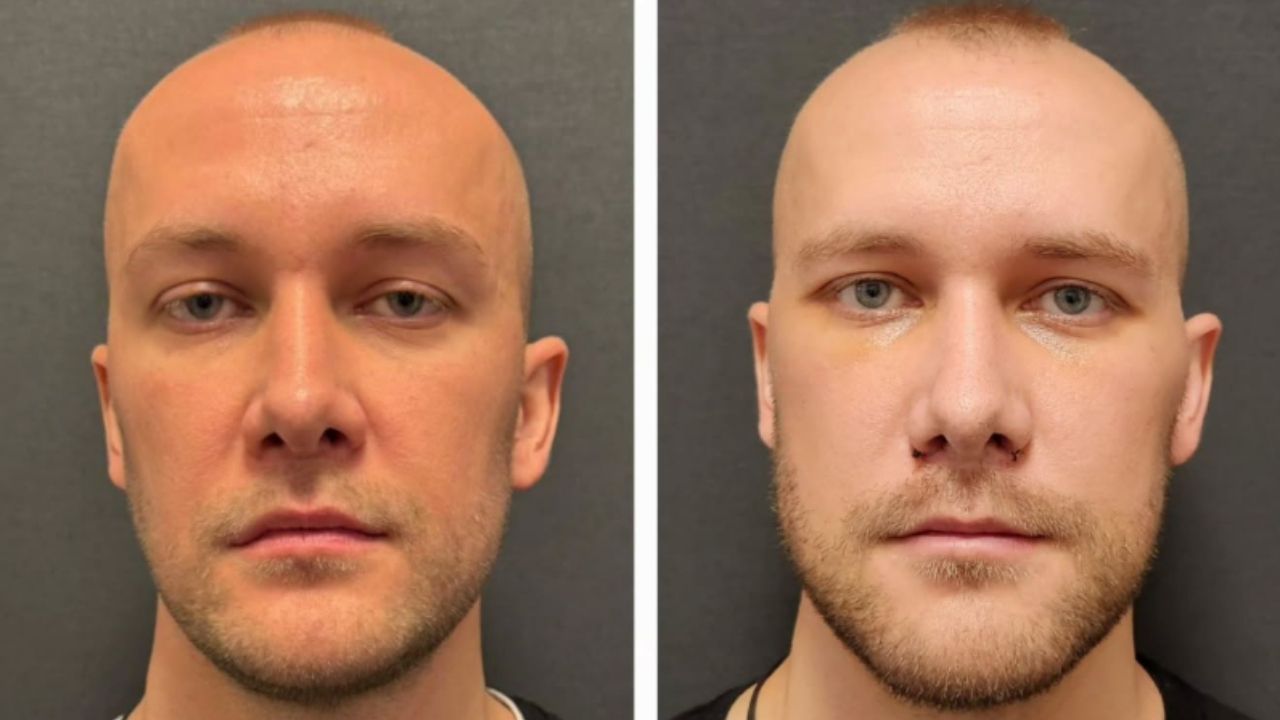
Facial Implant Before and After: What Changes Can You Expect?
Patients who undergo facial implants for asymmetry typically notice:
A more even and balanced facial profile
Improved jawline or cheek definition
Smoother contour flow from one side to the other
Restored proportion across the face
A more confident appearance
The most successful results look completely natural — not artificial or exaggerated. When expertly placed, others notice you “look better,” but rarely realize surgery was performed.
Who Is a Good Candidate for Facial Implants?
You may benefit from implants if you:
Have noticeable asymmetry in the chin, jaw, or cheeks
Want a long-term solution
Are in good general health
Have realistic expectations
Prefer structural enhancement vs temporary fillers
Patients with trauma-related deformities, congenital asymmetry, or hemifacial microsomia often benefit greatly from customized implant design.
How Are Facial Implants Planned?
Surgical planning is the most important stage of treatment. The goal is to design facial implants that restore symmetry and harmony while respecting your natural anatomy. Reputable surgeons take precise measurements, analyze facial proportions, and use advanced technology to ensure the implant fits perfectly and blends seamlessly with your bone structure.
3D CT Scanning
3D CT scanning allows the surgeon to see the exact shape and position of your facial bones. This technology provides a highly detailed view of asymmetry, bone thickness, and structural differences. It forms the foundation for safe, accurate implant design and placement.
Digital Facial Analysis
Digital facial analysis is used to evaluate proportions, symmetry, and contour flow from multiple angles. Your surgeon studies how light, shadow, and bone projection affect facial balance. This step ensures that the planned implant not only corrects asymmetry but also enhances overall aesthetics.
Virtual Surgical Planning
Virtual surgical planning allows surgeons to simulate the procedure before entering the operating room. The implant’s size, position, and shape are digitally tested to predict how it will look after surgery. This process improves precision, reduces surgical risk, and helps achieve smooth, natural-looking results.
The Surgical Procedure: What Happens During Implant Placement?
Surgery is usually performed under general anesthesia. Incisions are small and carefully hidden — often inside the mouth or discreet skin creases. The implant is secured in place to prevent movement, then the incisions are closed with dissolvable sutures.
The average procedure lasts 1–2 hours depending on complexity and whether multiple areas are treated.
Recovery: What to Expect After Facial Implant Surgery
Most patients experience swelling, tightness, and mild discomfort for the first one to two weeks. These symptoms gradually improve as healing progresses.
Recovery Stage
What to Expect
Days 1–3
Swelling and tightness peak.
Days 4–7
Swelling begins to settle.
Week 2
Appearance becomes more natural.
3–6 Weeks
Shape continues to refine.
3 Months
Final results are typically visible.
Your surgeon will provide detailed aftercare instructions to support healing and comfort.
Do Facial Implants for Asymmetry Look Natural?
Yes — when properly planned and placed, they blend seamlessly with your facial structure. The aim is not to dramatically alter your identity but to create gentle, balanced symmetry that enhances your natural features.
Signs of successful results include:
Smooth bone contours
Soft-tissue harmony
Balanced facial thirds
No obvious edges or transitions
Facial Implants vs Fillers for Asymmetry
Facial Implants vs Fillers for Asymmetry
Many patients ask whether fillers can correct asymmetry. While fillers can help in some mild cases, they are temporary and lack structural support. Over time, repeat filler treatments may even distort facial shape.
Facial implants provide lasting skeletal correction — making them ideal for moderate to severe asymmetry.
Are Facial Implants Safe?
When performed in an accredited facility by an expert maxillofacial surgeon, facial implant surgery is considered safe. Potential risks include swelling, temporary numbness, infection, or implant shifting — but these are rare with correct fixation and follow-up care.
Choosing a highly experienced specialist significantly reduces risk.
How Long Do Facial Implants Last?
Facial implants are designed to last for many years — often a lifetime — and do not typically require replacement unless complications occur or aesthetic goals change.
The Emotional Impact of Correcting Facial Asymmetry
Beyond physical improvement, many patients experience a powerful emotional change. Restoring facial balance often improves:
Self-confidence
Comfort in social settings
Posture and body language
Quality of life
Patients frequently describe feeling “more like themselves.”
Frequently Asked Questions About Facial Implants for Asymmetry
Facial Implants for Asymmetry 2025
Can implants fix asymmetry?
Yes. Facial implants are one of the most effective long-term solutions for structural asymmetry. They correct uneven volume or projection in areas such as the chin, cheeks, or jawline by adding balanced support to the weaker side. When carefully planned and placed by an experienced maxillofacial surgeon, implants create natural-looking facial harmony without changing your identity.
How much does it cost to fix an asymmetrical face?
The cost to correct facial asymmetry varies widely depending on the procedure type, whether custom implants are needed, and the complexity of your case. Treatment typically ranges from $5,000 to $20,000 or more. Custom-designed implants and multi-area corrections are at the higher end. A detailed consultation is essential to determine an accurate treatment plan and price.
Can you actually fix your asymmetrical face?
Yes. Facial asymmetry can often be significantly improved — and sometimes fully corrected — using implants, jaw surgery, or soft-tissue techniques. The best method depends on whether the imbalance is caused by bone structure, muscle differences, or soft-tissue volume. Structural asymmetry is most effectively treated with facial implants or corrective jaw surgery.
Where are malar implants placed?
Malar implants are placed over the cheekbone (zygoma) to enhance cheek projection and restore balance to the midface. They can be inserted through small incisions inside the mouth or discreetly along the lower eyelid or hairline, depending on the case and surgeon preference.
Can a face be 100% symmetrical?
No. No human face is perfectly symmetrical — even models and celebrities have small differences between the right and left sides. The goal of treatment is not perfection but natural-looking harmony, where asymmetry is minimized and balance is improved without appearing artificial.
How long will a chin implant last?
A chin implant is designed to last a lifetime. Made from durable, biocompatible materials, it does not dissolve or break down over time. Replacement is rarely needed unless complications occur or cosmetic goals change later in life.
How much do malar implants cost?
Malar (cheek) implants generally cost between $4,000 and $12,000 depending on implant type, surgeon expertise, clinic location, anesthesia fees, and whether other procedures are performed at the same time. Custom implants and complex asymmetry corrections usually cost more due to planning and fabrication.
How painful are cheek implants?
Cheek implant surgery is performed under anesthesia, so you will not feel pain during the procedure. After surgery, most patients experience swelling, tightness, and mild to moderate discomfort for 1–2 weeks. Pain is usually well controlled with prescribed medication and proper aftercare.
Is it painful to insert an implant?
No — the implant is inserted while you are under general anesthesia or deep sedation, meaning you will not feel the procedure. Some tenderness and swelling afterward are normal but temporary. Most patients describe recovery as uncomfortable rather than severely painful.
What does Botox facial asymmetry before and after look like?
Botox facial asymmetry before and after photos typically show smoother, more balanced facial expressions. Botox works by relaxing overactive muscles on one side of the face so that both sides move more evenly. This is especially helpful for uneven smiles, eyebrow height differences, or asymmetrical frown lines. Results usually appear within 5–10 days and can last 3–6 months. Subtle correction is the goal — so the face still looks natural, not frozen.
How can I fix facial asymmetry naturally?
Mild facial asymmetry may improve with lifestyle changes such as posture correction, sleeping evenly on both sides, stress reduction, facial exercises, and managing teeth grinding. However, these natural methods usually only help soft-tissue imbalance, not bone structure differences. Significant or structural asymmetry is more effectively corrected with fillers, Botox, or facial implants depending on the cause.
What do fillers for an asymmetrical face before and after results show?
Fillers for an asymmetrical face before and after results often show improved balance in the cheeks, lips, jawline, or chin. Hyaluronic acid fillers add volume where the face is lacking, creating more symmetry between both sides. Fillers are ideal for soft-tissue volume imbalance and typically last 9–18 months depending on the product used and the treatment area.
How much does Botox for an asymmetrical face cost?
The cost of Botox for an asymmetrical face usually ranges from $250 to $800 per session depending on the number of units used, the treatment area, and the clinic location. More complex correction — such as balancing multiple muscle groups — may require higher doses. Because Botox is temporary, maintenance sessions are needed every 3–6 months.
How much does facial asymmetry surgery cost?
Facial asymmetry surgery costs vary widely depending on the type of correction needed. Procedures such as chin implants, jaw implants, cheek implants, or corrective jaw surgery can range from $6,000 to $30,000 or more. Custom implants and complex cases are typically at the higher end due to advanced planning and surgical precision.
What is Botox for facial asymmetry?
Botox for facial asymmetry is a non-surgical treatment that relaxes stronger or overactive muscles on one side of the face. This helps balance facial expressions, smile lines, eyebrow movement, and muscle tension. It is frequently used for patients with uneven smiles, nerve imbalance, or post-dental asymmetry. Results are temporary but can be repeated safely.
What does facial balancing before and after show?
Facial balancing before and after photos usually show smoother symmetry, improved proportions, and better contour flow from one side of the face to the other. Balancing may involve fillers, Botox, implants, or a combination of treatments depending on the cause of asymmetry. The goal is always natural improvement — enhancing harmony rather than creating a “perfectly mirrored” face.


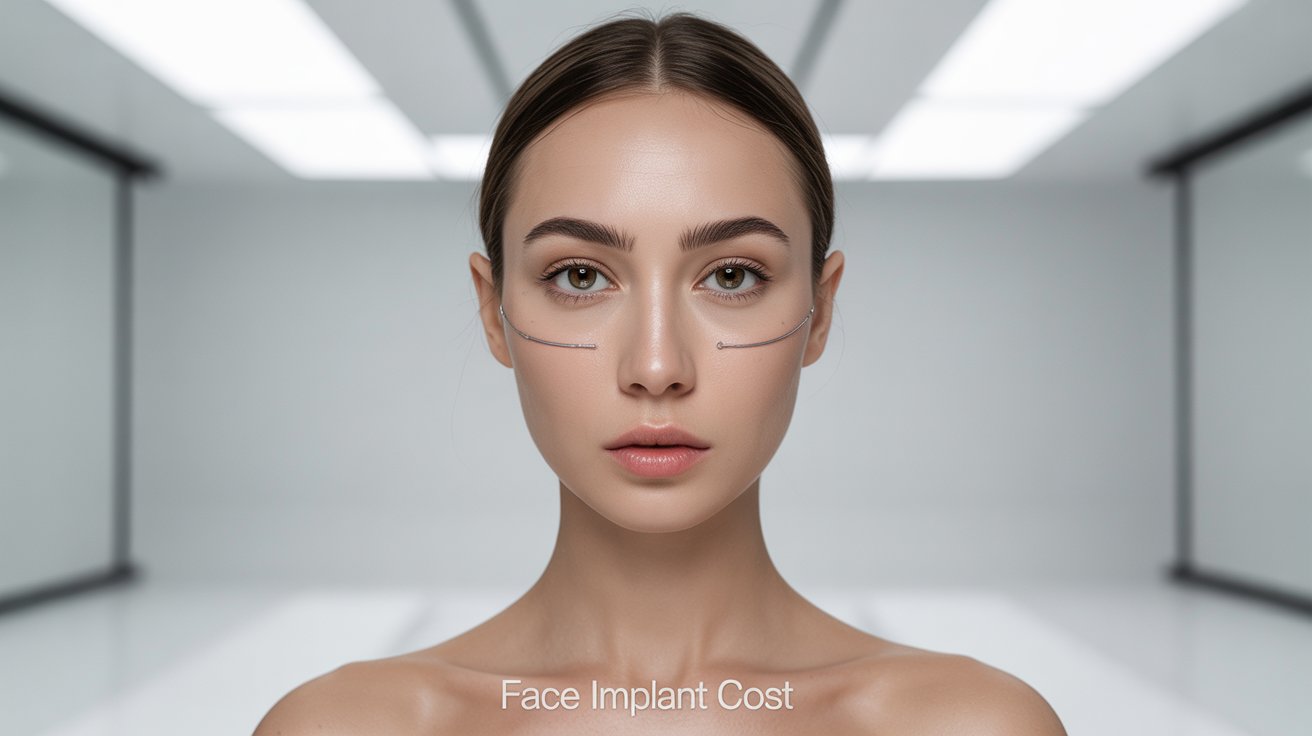 In this comprehensive, patient-focused guide, you’ll learn exactly how facial implants correct asymmetry, who is a good candidate, how results look before and after surgery, and why working with an expert maxillofacial surgeon is essential. If you’re exploring treatment and want specialist-level care, you can begin your journey with the experienced team at MaxFace Implant Center, an international destination for advanced facial implant surgery.
 Which Areas Can Be Treated with Facial Implants for Asymmetry?
 Facial Implant Before and After: What Changes Can You Expect?