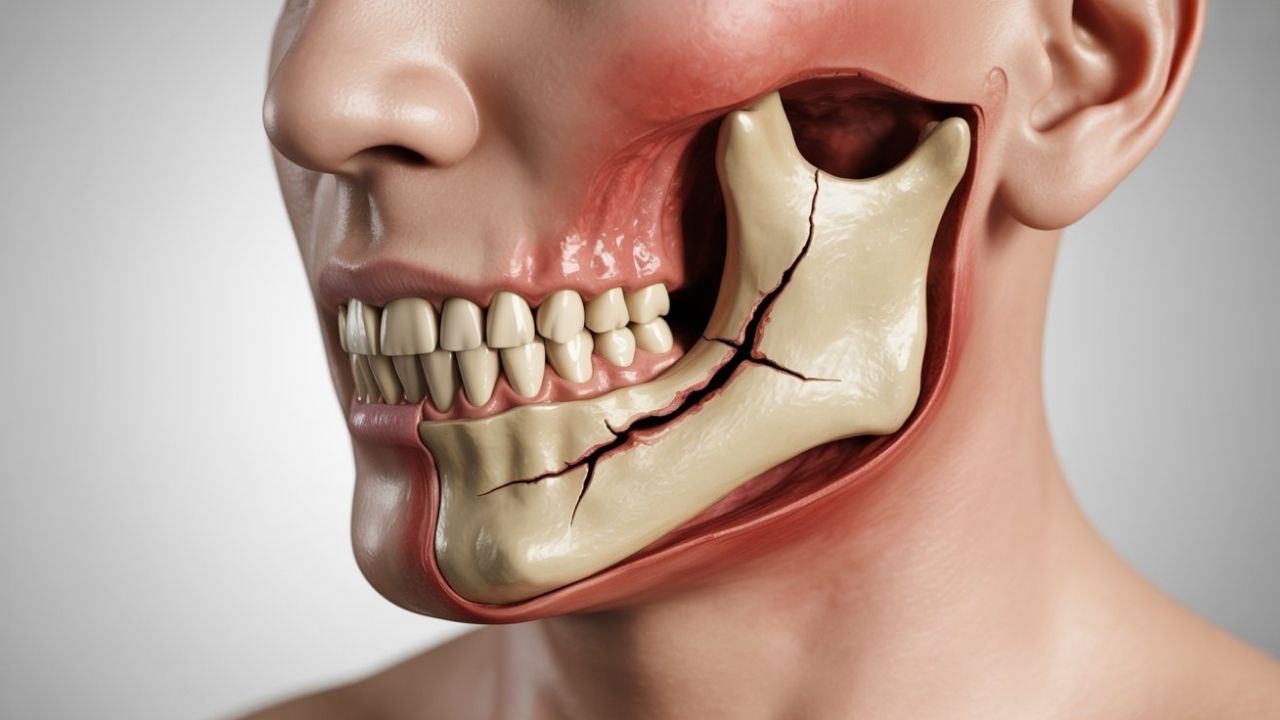
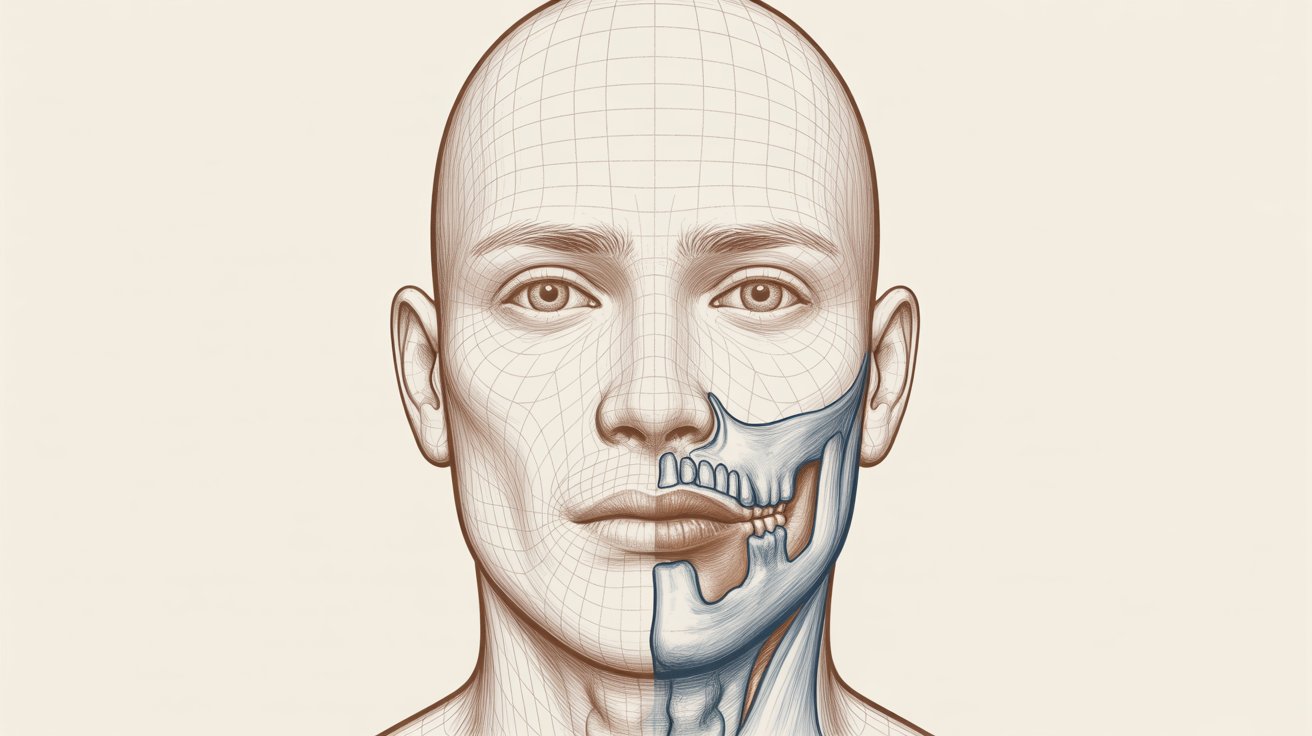
Understanding how facial implants and bone work together is one of the most important factors when deciding whether facial implant surgery is right for you. Unlike fillers, which only affect soft tissue, facial implants sit directly on the facial skeleton, enhancing projection, symmetry, and contour at the deepest structural level. When placed correctly, implants do not just sit on the face — they blend with the underlying bone framework and support the soft tissue above, creating natural, stable, and long-lasting results.
In this comprehensive guide, we explain how facial implants interact with bone and soft tissue, why planning and precision placement matter, how long-term integration works, and why this relationship is the key to safe and natural-looking results. If you are researching facial enhancement options, understanding the science behind facial implants and bone will help you make a confident, informed decision.
What Are Facial Implants and How Do They Work With the Bone?
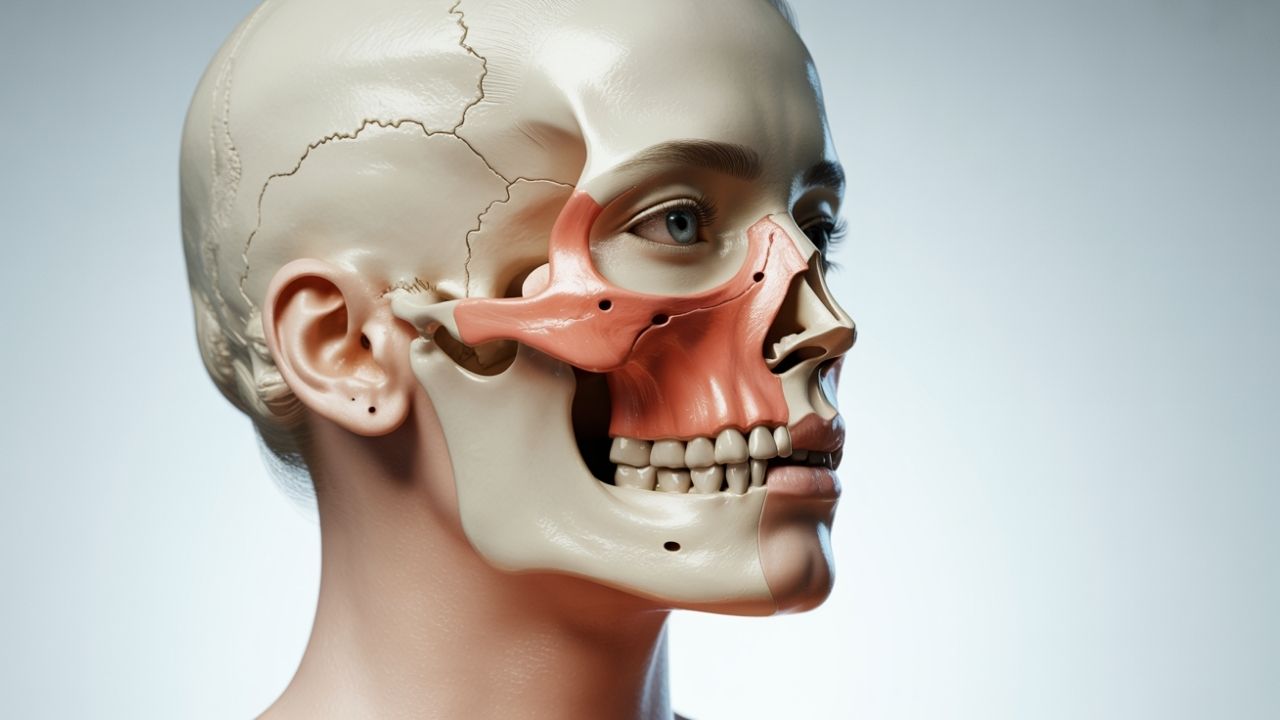
Facial implants are medical-grade devices placed beneath the skin and soft tissue to reshape or enhance the natural bone structure. The most common implant areas include the chin, jawline, and cheeks — all of which rely on close contact between facial implants and bone for stability and natural contouring. These implants are typically made from silicone or porous polyethylene, both of which are highly biocompatible and well-tolerated by the body.
The implant sits directly on the bone — not inside the skin or muscle — meaning it becomes an extension of your underlying skeletal framework. This positioning allows the soft tissue above to drape smoothly over the new contour, giving structure and strength to parts of the face that previously lacked projection or definition.
Why the Relationship Between Facial Implants and Bone Matters
The interaction between facial implants and bone is what separates long-term structural enhancement from temporary cosmetic adjustments. Because implants rely on the bone for support, they create predictable, stable projection rather than relying on soft-tissue shape, which changes over time. This is especially important in areas such as the chin and jawline, where bone shape defines the lower face.
When placed properly, implants can correct weak bone structure, asymmetry, concavity, or insufficient projection. This enhances facial balance and improves harmony between features — often making the face appear more proportionate, defined, and youthful.
Facial Implants and Bone
Where Facial Implants and Bone Meet: Placement and Positioning
Understanding where facial implants and bone meet is essential for appreciating how these procedures reshape the face in a natural and stable way. Facial implants are not placed in the skin or muscle — they are carefully positioned directly against the underlying bone, where they act as a structural extension of your natural anatomy. Correct placement and positioning ensure that the soft tissue drapes smoothly over the implant, creating balanced contour and long-lasting definition without looking artificial. This precise relationship between facial implants and bone is what allows surgeons to safely refine projection, symmetry, and proportion across the chin, jawline, and cheeks.
Chin Implants and Bone Projection
Chin implants are positioned directly along the front of the jawbone to improve projection and shape. This enhances the balance between the nose, lips, and lower face. A smooth connection between facial implants and bone allows for stable and natural chin reshaping.
Jawline Implants and Bone Definition
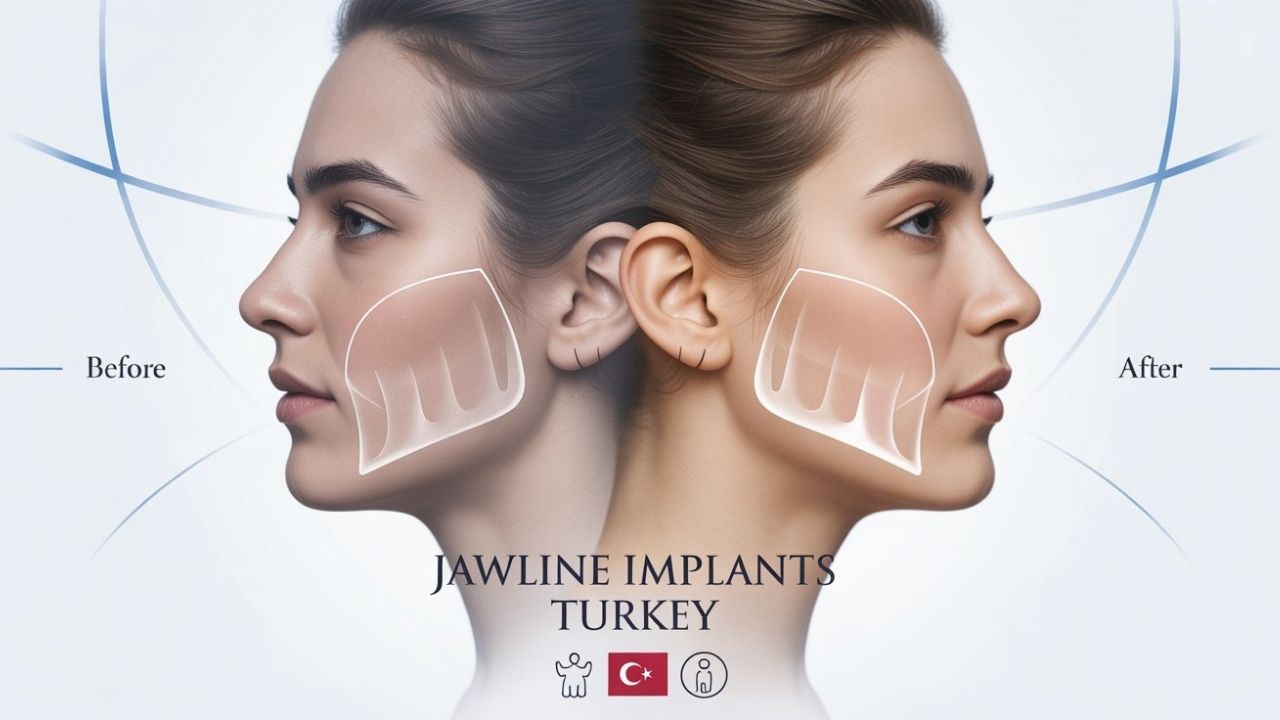
Jaw implants are placed along the mandibular border to create a stronger, more defined jawline. Because the implant lies securely against the bone, the jaw contour becomes sharper and more structured without looking artificial.
Cheek Implants and Bone Contour
Cheek or malar implants sit on top of the cheekbone, increasing upper-midface projection. This enhances facial lift and improves light reflection across the cheeks — one of the key elements of attractive facial structure.
How Facial Implants Integrate With Bone Over Time
One of the most important advantages of facial implants and bone working together is long-term stability. After surgery, the implant is securely positioned against the bone and usually fixed in place. Over time, surrounding tissue adapts and gently stabilizes the implant even more. This process prevents shifting and ensures the result remains consistent for years.
With porous implants, the body may even allow tissue to integrate into tiny surface channels, further improving biological compatibility. However, even smooth silicone implants sit firmly in place when positioned with precision and care.
The Role of Soft Tissue in Facial Implants and Bone Support
While the bone serves as the anchor, soft tissue creates the visible surface contour. This means that both systems must work in harmony. If an implant is too large, thin soft tissue may struggle to cover it smoothly. If it is too small, the enhancement may look insignificant. The surgeon’s goal is to design a shape that fits naturally beneath the soft-tissue envelope.
When the balance is right, the interaction between facial implants and bone gives the skin structure, the muscles a stable platform to move over, and the face a youthful, refined silhouette.
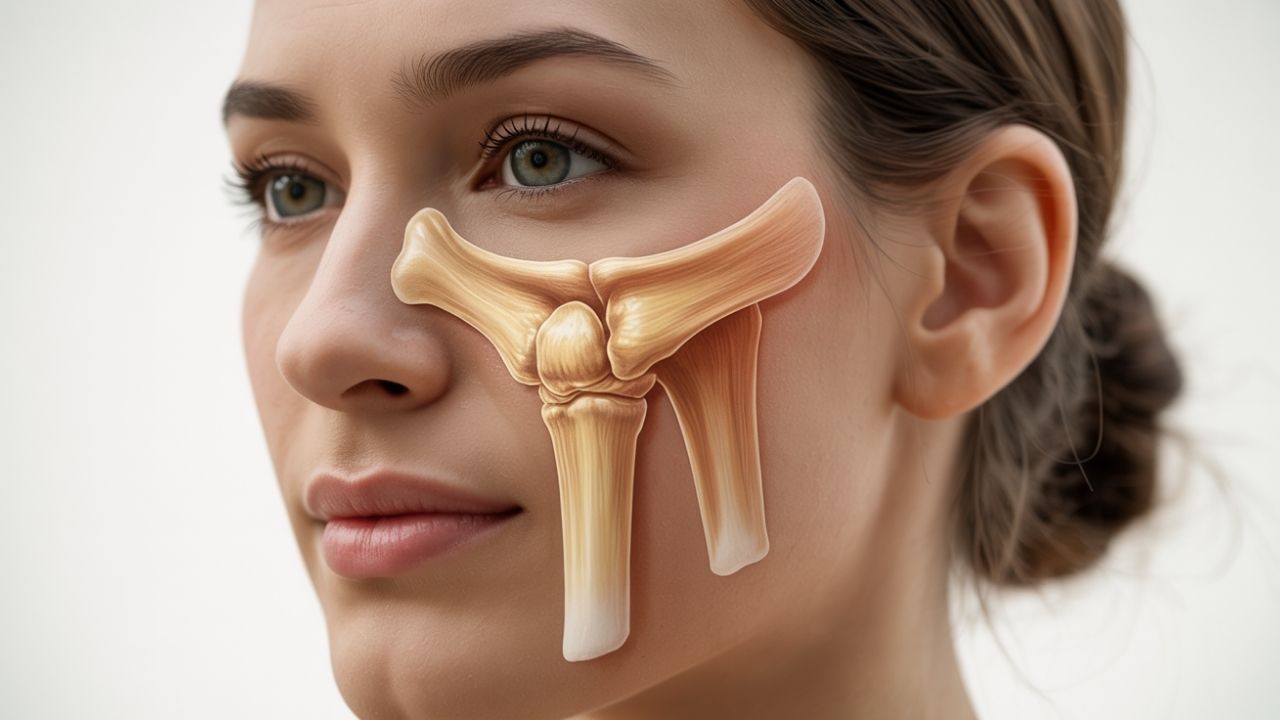
How 3D Planning Improves Alignment Between Facial Implants and Bone
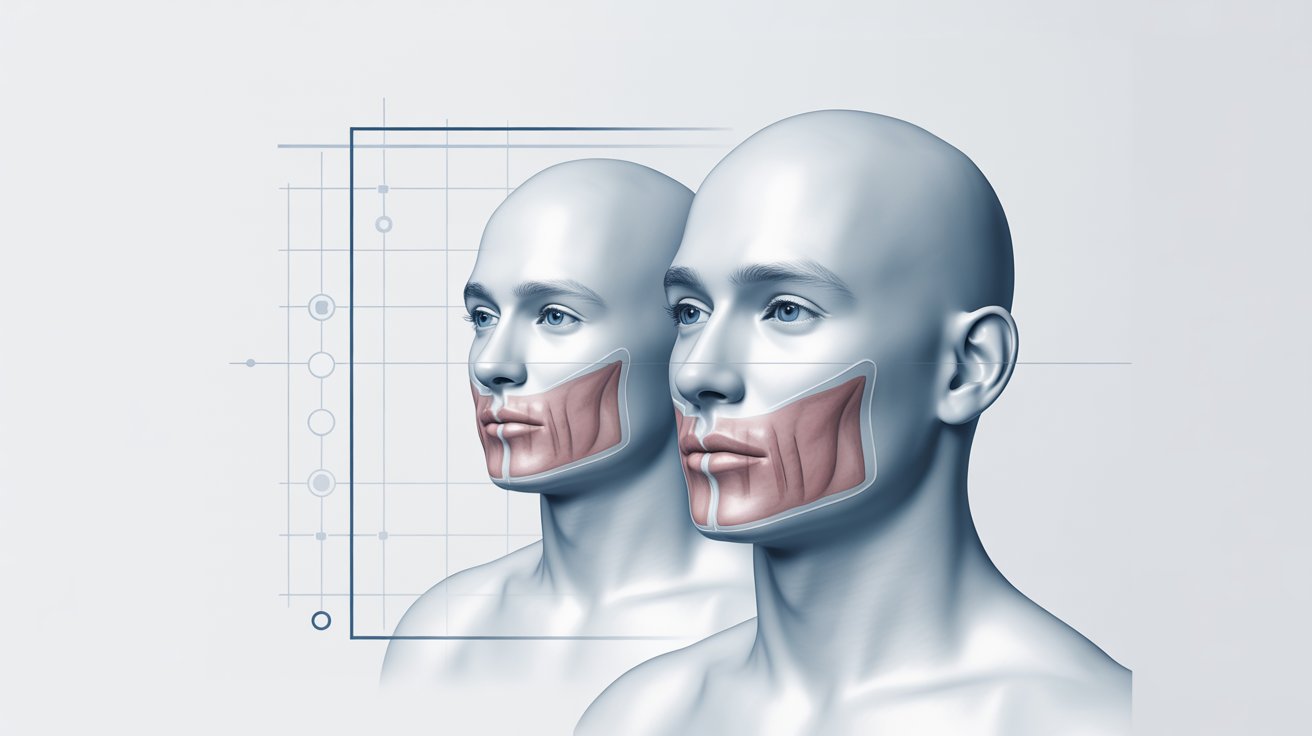
Today, technology plays a powerful role in improving outcomes. Surgeons can now use CT scans and digital design programs to evaluate the exact dimensions of the bone. This allows precise analysis of symmetry, projection, and volume differences before surgery.
Advanced planning tools help determine how facial implants and bone will interact in real life. In some cases, custom implants are created based on a patient’s unique anatomy, allowing for accurate correction of asymmetry or complex structural concerns. The results are smoother lines, improved proportion, and increased predictability.
Why Facial Implants Provide More Permanent Results Than Fillers
Fillers reshape soft tissue, meaning the effect decreases as the product dissolves. Implants reshape bone-level structure. This is why the interaction between facial implants and bone allows results to remain stable long-term. For patients seeking subtle improvement, fillers may be appropriate — but for those wanting true definition and skeletal enhancement, implants are unmatched.
Patients often begin with fillers, see limited structural improvement, and later choose implants for more permanent correction.
Do Facial Implants Affect Movement or Expression?
This is a common concern. Because implants sit between the bone and soft-tissue layers, rather than inside muscle fibers, they do not interfere with natural expression or facial mobility. Smiling, speaking, chewing, and emotional expression remain unaffected.
The goal is not to restrict movement — it is to improve the underlying shape so that soft tissue moves more naturally over a stronger foundation.
When Facial Implants and Bone Structure Create the Best Results
The most impressive and natural-looking outcomes occur when facial implants and bone structure work in harmony. Implants are designed to enhance areas where the natural bone lacks projection, volume, or symmetry — not to overpower the face, but to subtly refine it. When the implant is carefully matched to the patient’s anatomy, the soft tissue drapes smoothly over the new structure, creating definition that looks authentic rather than surgical. This balance between facial implants and bone support is the foundation of long-lasting, stable, and aesthetically pleasing results.
Weak Chin and Jawline Structure
If the jaw lacks definition or projection, facial implants and bone correction can reshape the profile and improve balance.
Flat or Underprojected Cheeks
Implants restore youthful volume and highlight the cheekbone contour in a stable, durable way.
Facial Asymmetry
Custom implant design helps restore left-right balance, improving alignment and harmony.
Makeup Techniques for Cheekbone Enhancement (Low Cheekbones vs High Cheekbones)
How Surgeons Keep Facial Implants and Bone Safe
Safety relies on sterile technique, accurate implant selection, and secure placement. Because implants rest directly against bone, precision matters. Experienced maxillofacial surgeons ensure proper fit and fixation, reducing risks such as movement or pressure points.
Regular follow-up is important to confirm stability and promote healthy healing.
Healing and Adaptation of Facial Implants and Bone
Early Healing Period
Swelling and tightness are normal as soft tissue adapts to its new structure. The implant remains stable against the bone while the tissue settles around it.
Intermediate Healing
Within several weeks, swelling reduces and contours begin to appear smoother and more natural. The interaction between facial implants and bone continues to strengthen.
Long-Term Stability
Over months, the implant becomes part of the body’s structural framework. Most patients enjoy permanent results.
Do Facial Implants Damage the Bone?
When placed correctly, implants do not damage bone. Instead, they lie gently against it. Because bone is strong and stable, it supports the implant well. Problems generally arise only with poor planning, oversized implants, or unskilled techniques — which is why choosing a specialist surgeon is essential.
Longevity of Facial Implants and Bone-Based Enhancement
One of the greatest strengths of facial implants and bone partnership is durability. While fillers fade and skin-tightening treatments relax over time, implants maintain form and projection. Even as natural aging occurs, the underlying structure remains improved.
Many patients enjoy lifetime results without needing replacement.
Psychological and Aesthetic Benefits of Bone-Level Enhancement
Improving skeletal structure can transform the face more naturally than superficial adjustments. Stronger bone framework supports soft tissue better, reducing sagging and enhancing youthfulness. Many patients report increased confidence and improved self-image after surgery.
Frequently Asked Questions About Facial Implants and Bone
Frequently Asked Questions About Facial Implants and Bone
Patients who are considering facial implants often have important questions about how facial implants and bone actually work together beneath the skin. Understanding this relationship is essential, because implants are placed directly against the facial skeleton — not in the skin or muscle — and their success depends on stable support from the underlying bone.
Does bone grow around a dental implant?
Yes. After a dental implant is placed, the surrounding bone gradually bonds to the implant surface through a process called osseointegration. This creates a strong and stable anchor, similar to how natural tooth roots are supported. Proper healing, good oral hygiene, and healthy bone density help ensure successful bone growth around the implant.
Does a chin implant cause bone erosion?
In modern surgery, chin implant–related bone erosion is uncommon, especially when the implant is properly selected and securely positioned. Older or oversized implants, or those that move over time, may cause pressure on the bone in rare cases. Choosing an experienced maxillofacial surgeon and ensuring correct placement greatly reduces this risk.
What is the 3/2 rule for dental implants?
The 3/2 rule is a guideline suggesting that there should be at least 3 mm of bone around the implant and about 2 mm of keratinized gum tissue for long-term stability. This helps protect the implant from stress and infection. Your surgeon will evaluate these measurements during treatment planning.
Do dental implants preserve bone?
Yes. Dental implants help preserve bone by replacing the missing tooth root and stimulating the jawbone. Without a tooth or implant, the bone in that area typically shrinks over time. Implants maintain function and help protect facial structure and bite stability.
Can an implant cause bone loss?
Bone loss around an implant can occur, but it is usually linked to infection, poor oral hygiene, smoking, bite overload, or incorrect placement. Early diagnosis and proper treatment often prevent progression. Regular follow-ups with your dentist or surgeon are essential for implant health.
How to prevent bone resorption on a chin implant?
Using the correct-sized implant and ensuring secure, stable placement help prevent excess pressure on the chin bone. Regular monitoring, especially in the first years after surgery, allows your surgeon to detect any early changes. Choosing a skilled maxillofacial surgeon is the most important factor in prevention.
How to avoid bone loss with implants?
Good oral hygiene, regular dental check-ups, and avoiding smoking are key to preventing bone loss around implants. Proper bite alignment and professionally planned implant placement also protect the surrounding bone. Treating gum inflammation early helps maintain implant stability long-term.
What does no one tell you about dental implants?
Most people don’t realize that dental implants require lifelong maintenance, just like natural teeth. While they cannot decay, the surrounding gums and bone still need care to prevent infection. A healthy lifestyle, consistent cleaning, and professional follow-ups are essential for keeping implants successful.
How painful is an alveoloplasty?
An alveoloplasty is performed under local or general anesthesia, so you should not feel pain during the procedure. Mild to moderate discomfort afterward is common but usually well-controlled with prescribed medication. Most patients recover comfortably within one to two weeks.

 How 3D Planning Improves Alignment Between Facial Implants and Bone