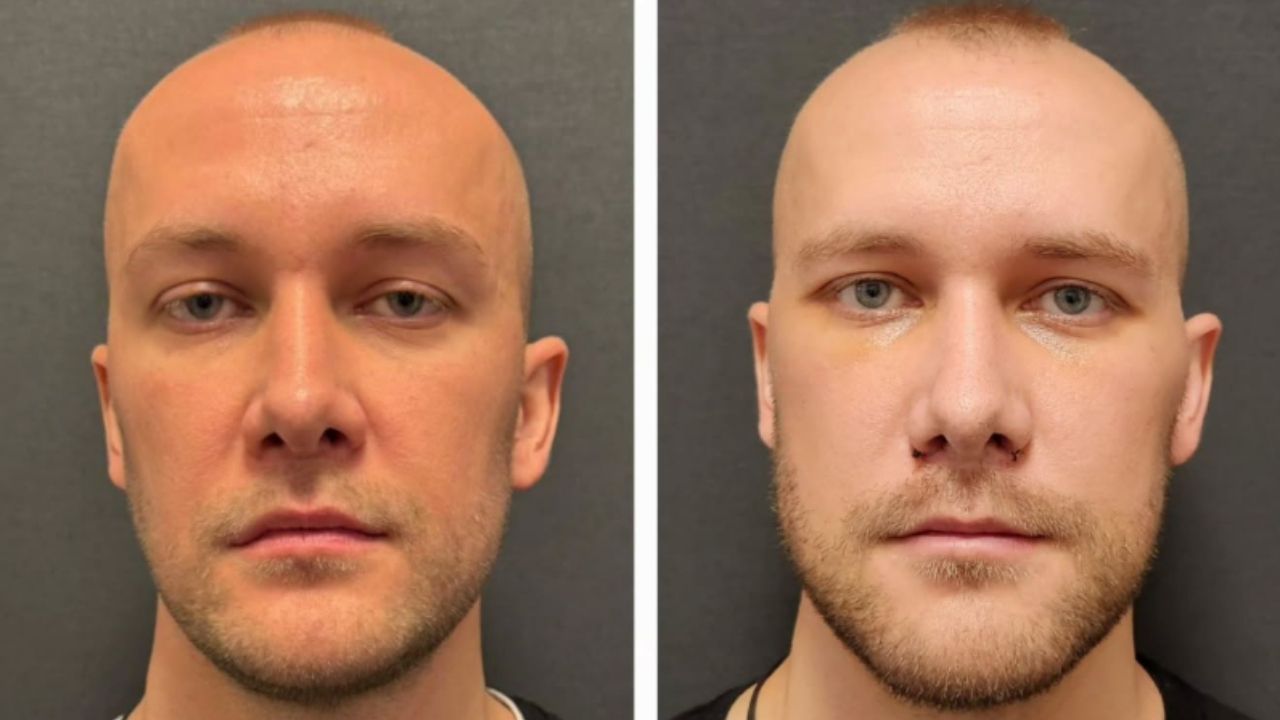
Does cheek filler lift the face? is one of the most common questions asked by people considering filler treatment. Cheek filler does lift the face to a certain extent.
Various filler procedures are performed by oral and maxillofacial surgeons or plastic surgeons. Although cheek filler slightly lifts the face, it does not create a full face-lifting effect on its own. If you are looking for answers to questions such as does cheek filler lift the face or how volume can be added to the cheekbones, you can contact our clinic.
What Is Cheek Filler?
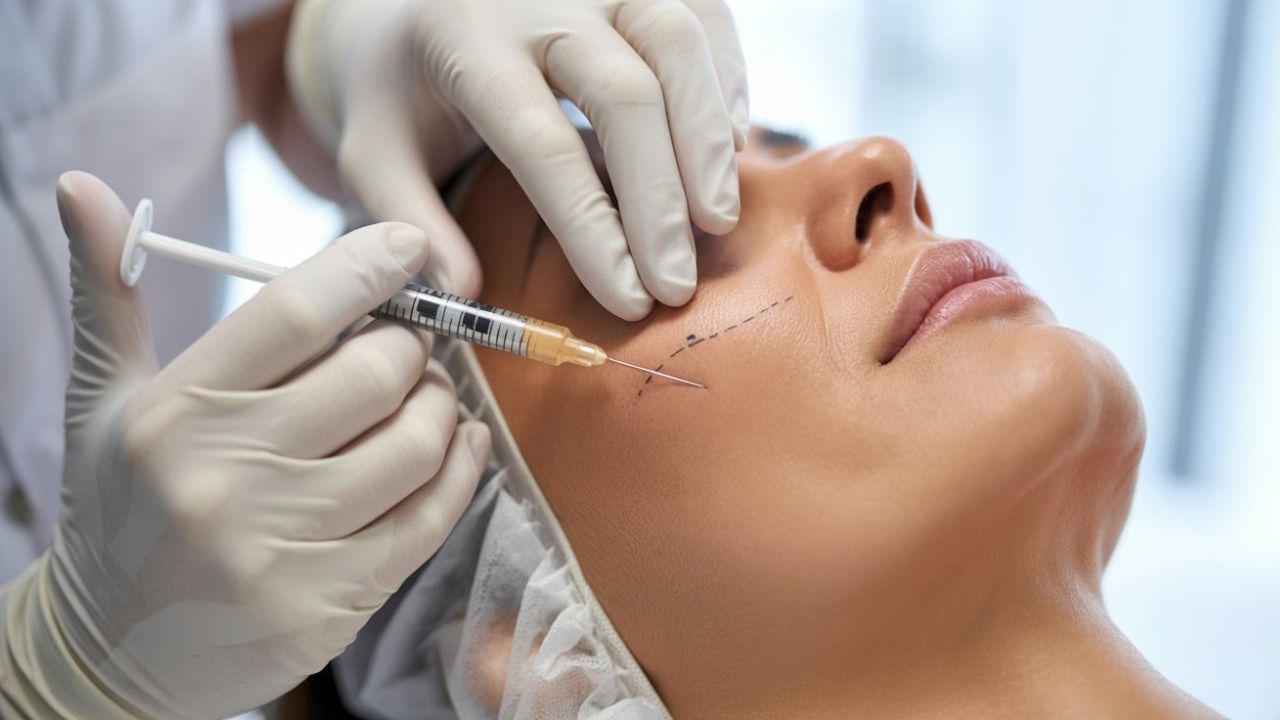
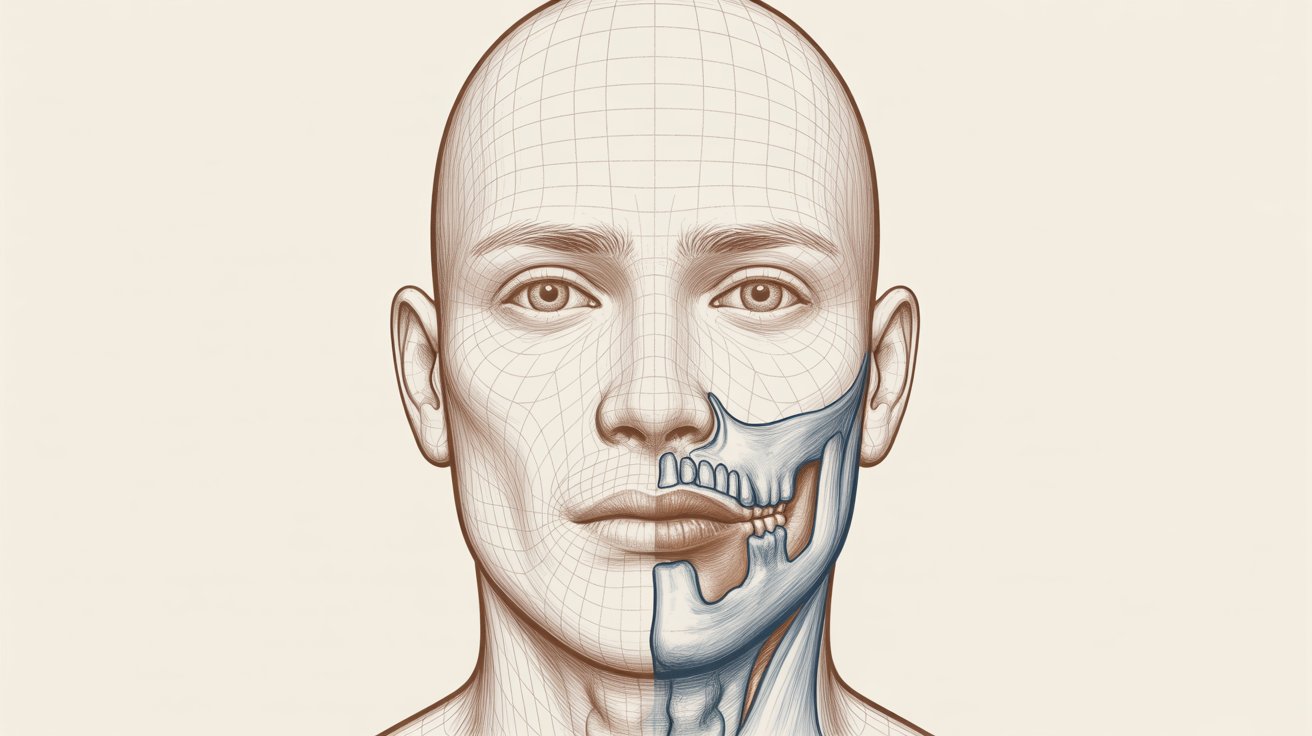
Cheek filler is a minimally invasive procedure performed to add volume to the zygomatic (cheek) bones in the midface and to create a more aesthetic appearance. It is carried out by injecting certain filler materials into the skin. Along with adding volume to the face, cheek filler may also provide the following benefits:
Defined contour and V-shaped facial structure
A younger and more refreshed appearance
Lifting effect
Improved symmetry and proportion
Does Cheek Filler Have Any Side Effects?
Cheek filler generally does not cause harm. However, allergic reactions to filler materials may rarely occur in some patients. As a result, swelling, redness, or itching may be observed. If you experience any of these reactions, you should immediately contact your doctor.
Does Cheek Filler Lift the Face?
Does cheek filler lift the face is perhaps one of the most frequently asked questions. Fillers applied to the midface help reshape and add volume to the cheeks. However, the effect depends on the amount of filler used, the patient’s facial structure, and the correct application technique. So, does cheek filler lift the face? Yes — when performed correctly, it helps lift the face to a certain degree. However, the degree of lifting varies depending on several factors:
If there is excessive skin laxity and sagging, cheek filler alone is not sufficient to lift the face. In such cases, more extensive procedures such as facelift surgery may be required.
Cheek filler must be applied correctly. Incorrectly performed cheek filler may cause asymmetry and lump formation under the skin.
What Should Be Done Before and After Cheek Filler?
What Should Be Done Before and After Cheek Filler?
There are some important points to considerbefore and after cheek filler. These help ensure treatment success, quicker recovery, and long-lasting results. Similar to zygomatic implants and other procedures, you should follow certain instructions before treatment:
1 — What Should Be Done Before Cheek Filler?
To achieve the best results and properly answer the question does cheek filler lift the face, the following instructions should be followed:
Pre-Procedure Instructions
Details
Stopping blood-thinning medications
Blood thinners should be stopped with your doctor’s approval at least 7–10 days before the procedure. Medications such as painkillers, vitamin E, ginseng, fish oil, and green tea supplements should also be paused because they may thin the blood.
Skin condition and medical history
If there is an active skin infection, sore, or acne breakout in the treatment area, the procedure should be postponed. Patients must inform their doctor about chronic illnesses and medications used regularly.
Avoid alcohol consumption
Alcohol should be avoided for at least 2 days before the procedure because it dilates blood vessels and increases the risk of bruising.
2 — What Should Be Done After Cheek Filler?
Does cheek filler lift the face? is also one of the most frequently asked questions after the procedure. With proper follow-up and care, cheek filler can successfully achieve the desired aesthetic lifting effect — although the lifting is moderate compared to surgery. Facial implants and similar procedures may be combined to enhance results.
To prolong the effect and ensure natural-looking results, you should:
Use cold compresses to control swelling.
Avoid massaging or applying pressure to the treated area during the first 48 hours.
Avoid sleeping on the treated side the first night and try to sleep on your back with your head elevated.
Avoid extreme heat and humidity for 48 hours.
Avoid strenuous exercise for 24–48 hours.
Use high-SPF sunscreen and drink plenty of water to protect filler longevity.
Following these steps not only supports healing but also improves the lifting effect and the answer to the question does cheek filler lift the face becomes more clearly visible over time.
How Can You Tell If Cheek Filler Is Done Incorrectly?
Does incorrectly performed cheek filler lift the face? In incorrectly performed procedures, instead of lifting, complications may occur. Every patient requires a personalized treatment plan.
Common signs of poorly performed filler include:
Overfilled cheeks causing unnatural or disproportionate appearance
Wrong filler material causing swelling, irregularities, or hardness
Allergic reactions or infection leading to inflammation
To avoid these complications, treatment must always be performed by an experienced and certified specialist. For cheek filler treatment, you may contact Prof. Dr. Celal Çandırlı and our clinic.
Does Incorrectly Performed Cheek Filler Lift the Face?
Does cheek filler lift the face? Yes — when performed correctly by an experienced specialist, cheek filler helps the face appear fuller, lifted, and aesthetically pleasing. However, poorly performed filler rarely produces lifting. Instead, lumps, swelling, and asymmetry may occur.
Does Swelling Occur After Cheek Filler?
Does Swelling Occur After Cheek Filler?
Swelling and edema after cheek filler are normal. Does cheek filler lift the face? Yes — once swelling subsides, the cheeks take on a lifted and youthful appearance.
Is 1 ml of Cheek Filler Enough?
If only a subtle enhancement is desired, 1 ml of cheek filler is usually sufficient. For more noticeable definition, 2–4 ml may be recommended.
How Is Cheek Filler Pricing Determined?
Several factors affect cheek filler cost — but the most important is the amount of filler used. Patients often wonder whether cheek filler lifts the face when considering price. Even a small amount of filler can create visible volume and lifting if applied correctly.
For clear pricing information and consultation, you may contact the clinic of Prof. Dr. Celal Çandırlı.
Frequently Asked Questions – Does Cheek Filler Lift the Face?
Frequently Asked Questions – Does Cheek Filler Lift the Face
Does cheek filler give you a face lift?
Cheek filler can create a lifting effect, but it is not the same as a surgical facelift. By restoring volume in the midface, fillers help support the overlying skin and soften sagging. The result is a subtle, natural lift — especially around the cheeks and under-eye area.
Do cheek fillers lift the lower face?
Yes — adding volume to the cheeks can indirectly improve the lower face. When the midface is lifted and better supported, nasolabial folds and early jowls may appear less pronounced. However, in cases of significant sagging, cheek filler alone may not be enough.
Do cheek fillers slim your face?
Cheek fillers can make the face appear slimmer by creating contour and definition in the cheekbone area. This draws the eye upward and outward, enhancing structure and balance. However, if too much filler is used in the wrong area, it can make the face appear fuller instead of slimmer.
How much cheek filler is needed to lift the face?
The amount of filler needed varies depending on facial structure, age, and the desired result. In most patients, 1–2 ml per side provides noticeable lifting and contouring, while more advanced cases may require 3–4 ml total. The safest approach is gradual treatment over one or more sessions.
What are the disadvantages of cheek fillers?
Possible disadvantages include swelling, bruising, asymmetry, and rare complications such as vascular occlusion. Overfilling can also create an unnatural or “puffy” look if not performed by an experienced injector. Maintenance is required because fillers are temporary and gradually dissolve.
Does cheek filler widen the face?
Cheek filler can widen the face if placed too low or too far to the side. Correct placement along the cheekbone enhances lift and contour instead of width. An expert injector designs the treatment to suit your anatomy and avoid an overly round appearance.
What is the best age for cheek fillers?
There is no single “best” age — cheek fillers are used both for contouring in younger patients and for volume restoration in patients over 30. Most people begin seeking cheek fillers in their late 20s to 40s when subtle volume loss becomes noticeable. Suitability depends more on anatomy and goals than age alone.
What is the riskiest area for fillers?
The riskiest areas are those with major blood vessels or thin skin — such as the nose, tear troughs, and glabella. Cheek fillers also require expertise because improper placement can affect nearby vessels. This is why treatment should always be performed by a trained medical specialist.
Can you tell if someone has cheek fillers?
When performed correctly, cheek fillers should look natural and blend seamlessly with the face. Signs of poorly done filler include excessive fullness, pillow-face appearance, asymmetry, or visible lumps. Natural-looking results come from subtle shaping rather than overfilling.
What does cheek filler before and after treatment usually look like?
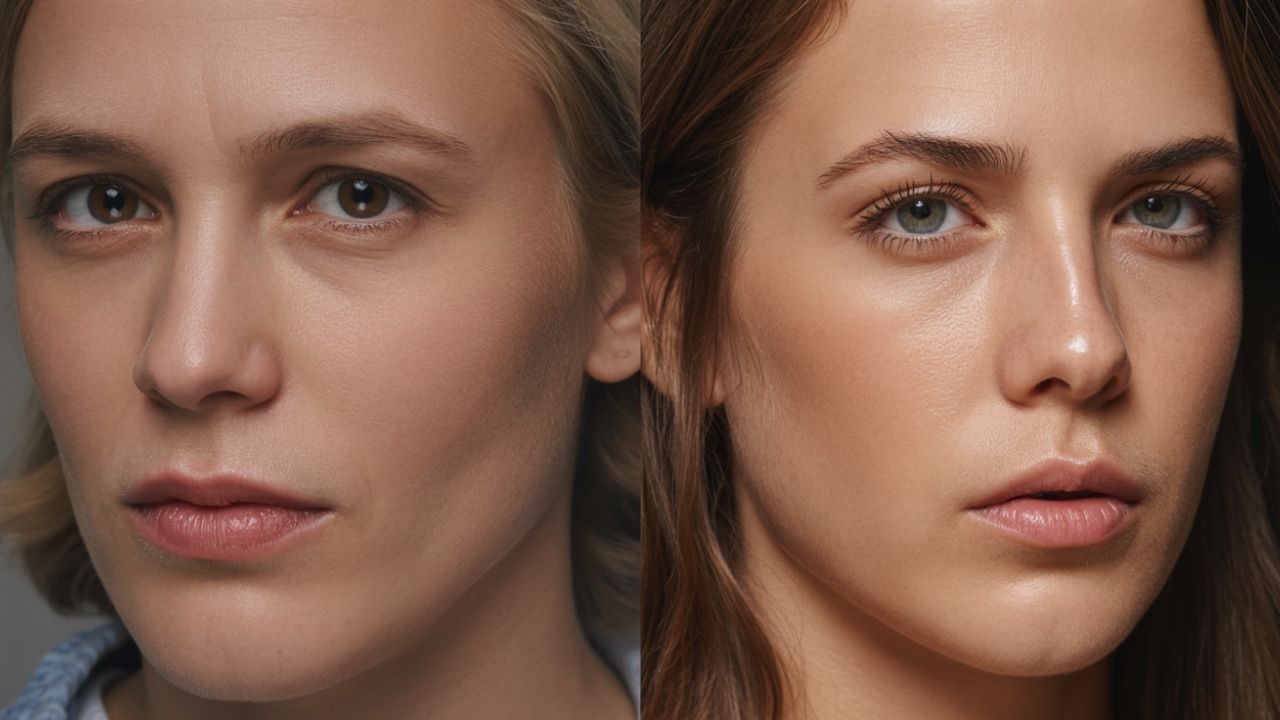
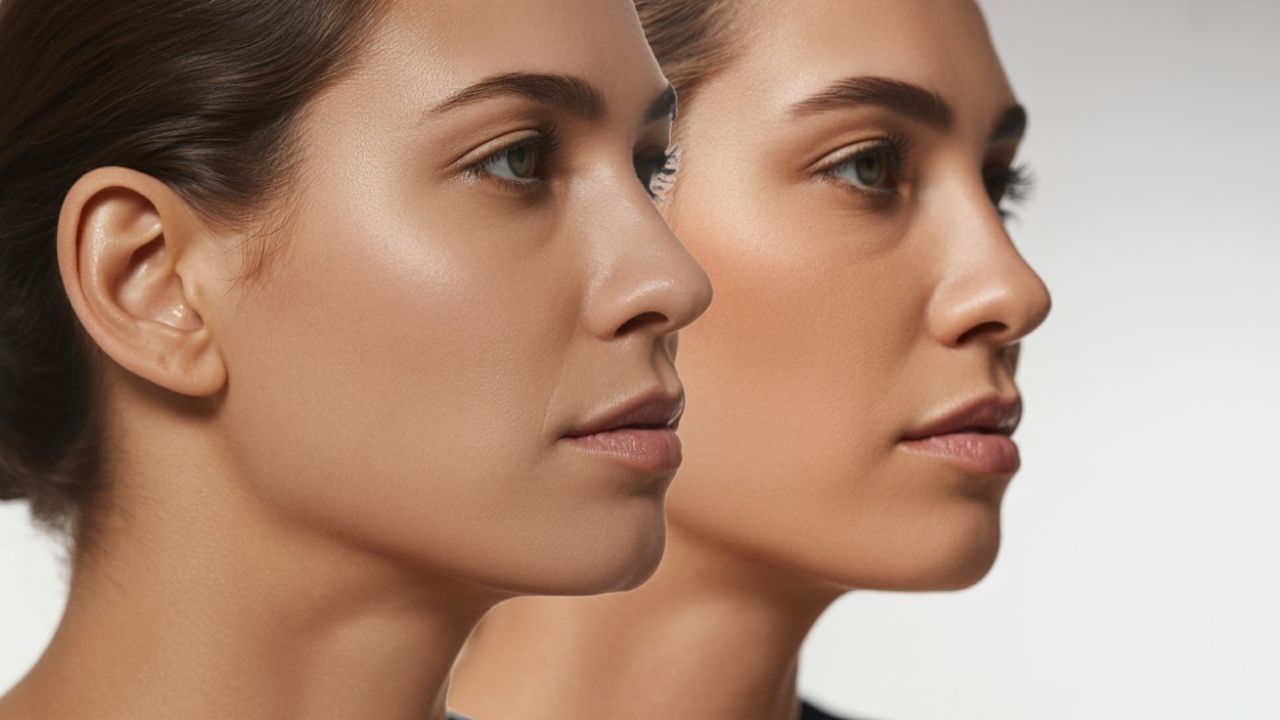
Cheek filler before and after photos typically show fuller, more lifted cheeks with better contour and definition. Volume is restored in the midface, which can soften lines and create a youthful shape. The goal is to enhance natural structure without changing your facial identity.
How long does cheek filler last?
Cheek filler generally lasts between 9 and 18 months, depending on the product used, metabolism, and lifestyle factors. Over time, the filler gradually breaks down and is absorbed by the body. Many patients choose maintenance sessions to keep their results consistent.
Does cheek filler migrate?
Cheek filler migration is uncommon when the procedure is done correctly by an experienced medical professional. Migration usually happens when inappropriate filler types, poor technique, or excessive amounts are used. Choosing a skilled injector greatly reduces this risk.
Does cheek filler hurt?
Most patients report mild discomfort rather than pain during cheek filler treatment. Numbing cream or local anesthetic is typically used to make the procedure more comfortable. Some tenderness or swelling may occur afterward but usually settles within a few days.
Where do you put filler to lift jowls?
To help lift jowls, filler is often placed in the cheeks, midface, and along the jawline to support sagging tissue. Restoring volume in key structural areas can soften the appearance of jowls without surgery. Your injector will assess your anatomy to decide the safest and most effective placement.
What does 1 ml cheek filler before and after look like?
Before and after results with 1 ml of cheek filler usually show a subtle yet noticeable improvement in contour. This amount is ideal for patients wanting a natural, conservative enhancement. It enhances definition without dramatically changing facial proportions.
What does 2 ml cheek filler before and after look like?
Before and after results with 2 ml of cheek filler typically provide stronger lift and contour compared to 1 ml. This amount is often chosen for moderate volume loss or more sculpted cheekbone definition. Results can still look very natural when placed correctly.
What do cheek filler for jowls before and after results show?
Cheek filler used to improve jowls often shows smoother jawline contour and reduced heaviness in the lower face in before and after photos. By lifting and supporting the midface, the jowls appear less prominent. Best results are seen when treatment is carefully tailored to the patient’s facial structure.