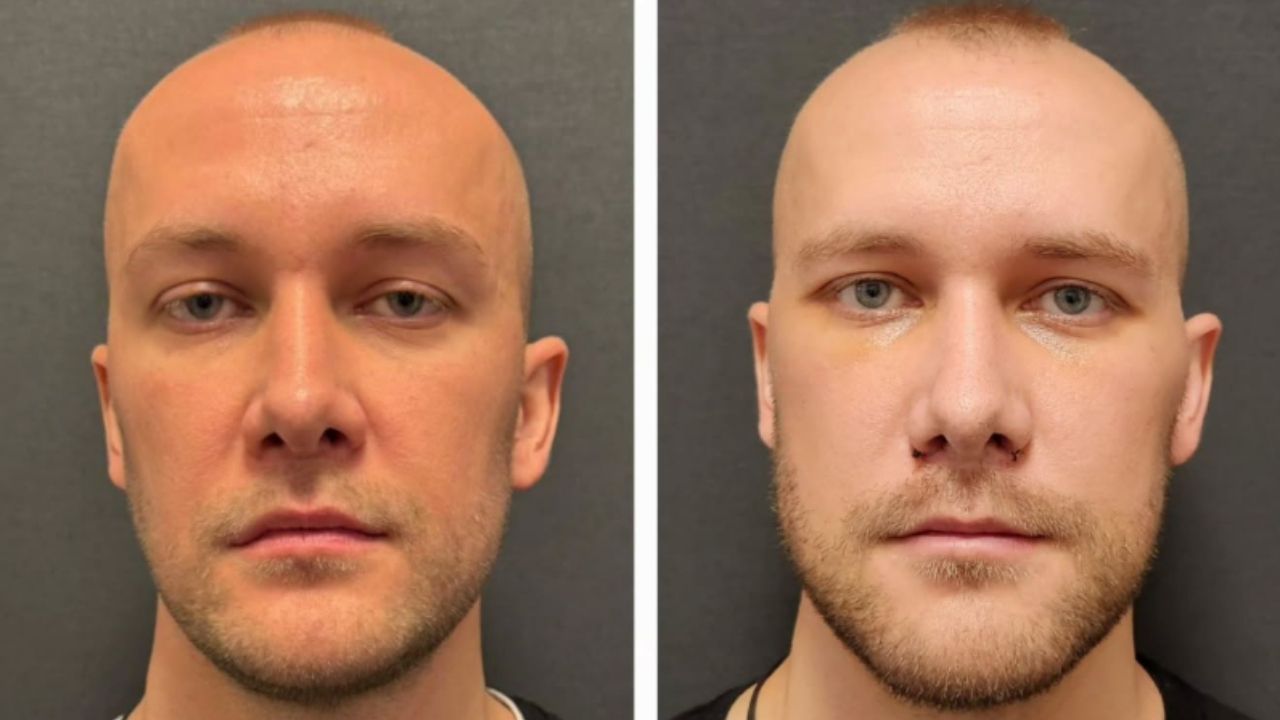
Most people have a small degree of facial imbalance, but when the difference between the right and left sides becomes more visible, many begin searching online for face asymmetry before and after results. These comparisons help people understand what kind of changes are possible and which treatments — from Botox and fillers to implants and jaw surgery — actually work. This guide explains the causes of facial asymmetry, what realistic results look like, and how different treatments change the face over time.
What Does Face Asymmetry Mean and Why Do Face Asymmetry Before and After Results Matter?
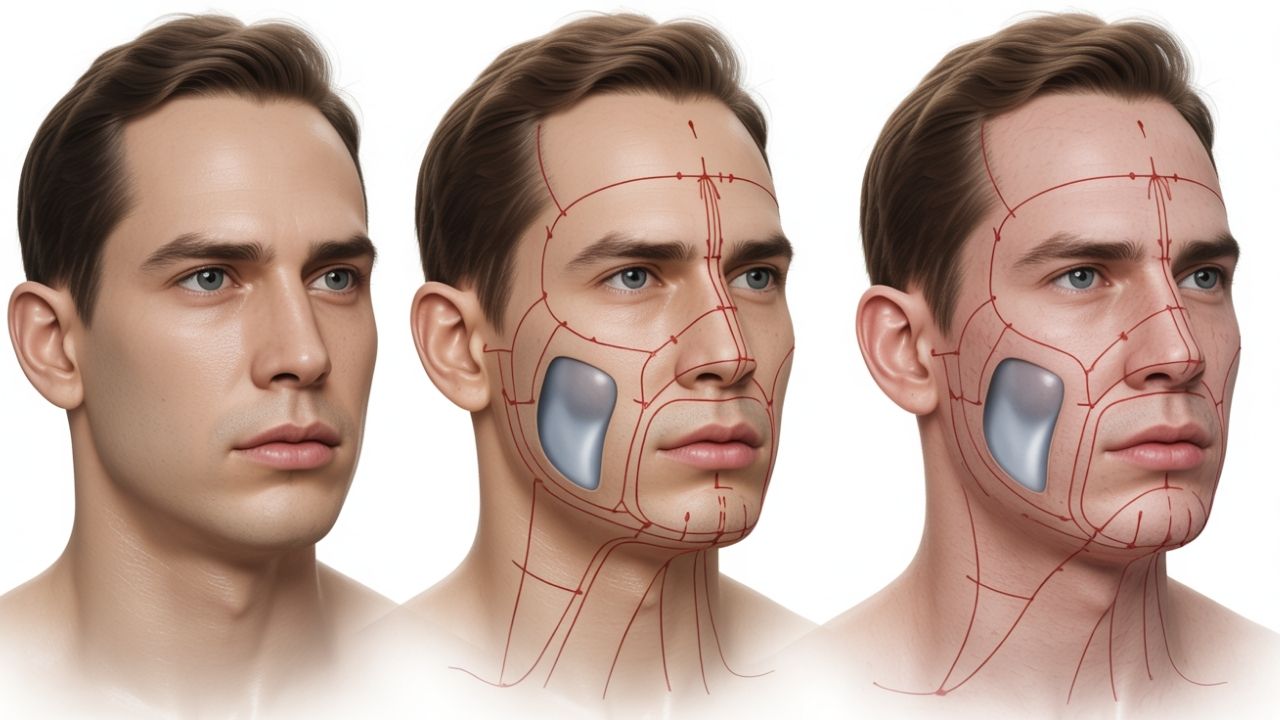
Face asymmetry means the two sides of the face are not identical. This may affect the jawline, cheeks, lips, smile, eyebrows, or chin. While mild asymmetry is completely normal, more visible imbalance can affect confidence — especially in photos or video calls. That’s why reviewing face asymmetry before and after transformations helps patients visualize realistic improvements.
What Causes Facial Imbalance? Key Factors Behind Face Asymmetry Before and After Treatment
Some people are born with differences in bone shape or facial growth. These natural variations are the most common reason behind face asymmetry before and after treatment.
Face Asymmetry Before and After Due to Sleeping Habits, Posture, or Teeth Grinding
Chronic habits like sleeping on one side, clenching or grinding teeth, or poor posture may gradually increase asymmetry.
Dental Problems and Bite Misalignment Causing Face Asymmetry Before and After
Orthodontic or bite issues can alter jaw position, leading to visible imbalance in the lower face.
Trauma-Related Face Asymmetry Before and After Correction
Injury to the face or jaw may cause long-term structural differences that require surgical correction.
Nerve or Muscle-Related Face Asymmetry Before and After Changes
Nerve disorders, paralysis, or muscle overactivity can create movement-based asymmetry — often treated with Botox or specialized procedures.
Aging-Related Face Asymmetry Before and After Improvements
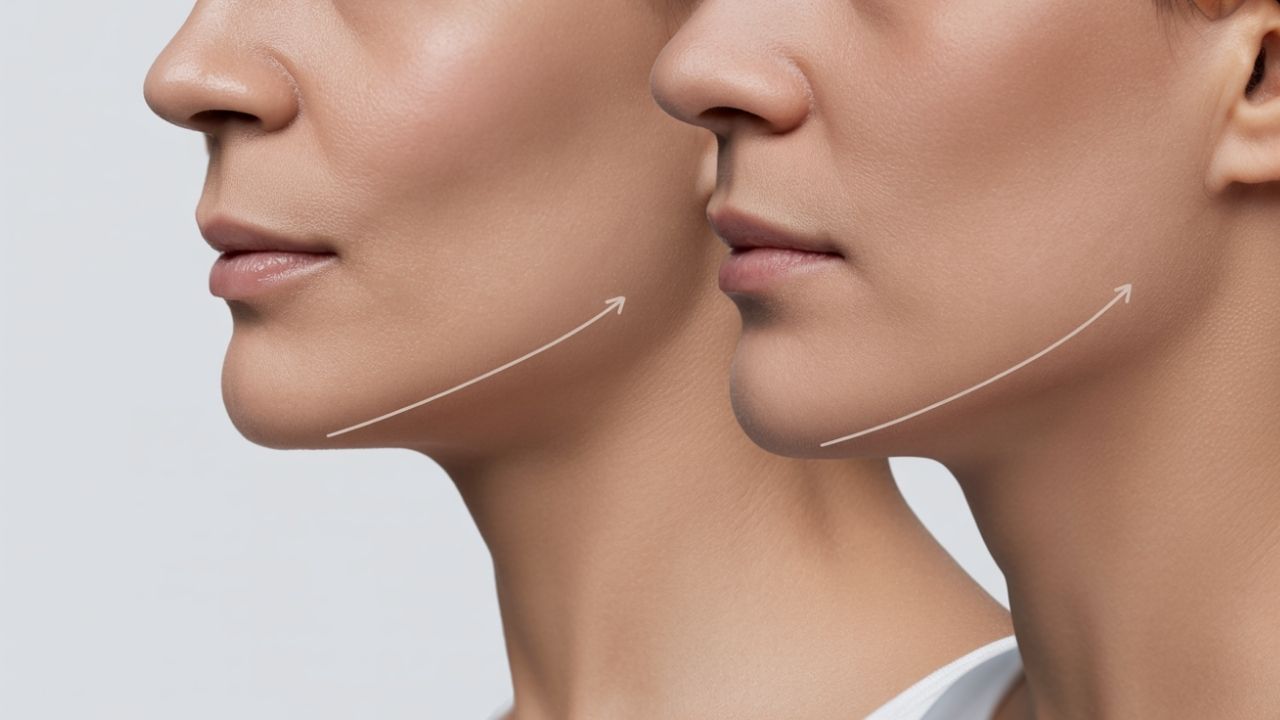
Aging does not affect both sides of the face equally, so one side may sag or lose volume faster than the other.
What Kind of Visual Change Should You Expect?
What Kind of Visual Change Should You Expect?
Before treatment, patients may notice uneven cheeks, a slanted smile, jaw imbalance, or volume loss on one side. After treatment, results typically include:
Smoother contour across both sides of the face
More defined and balanced cheek and jaw shape
Improved facial proportion
Natural — not artificial — enhancement
The goal is harmony, not perfection. No face becomes completely identical on both sides — and that’s okay.
Face Asymmetry Before and After With Botox — How Muscle-Balancing Treatments Work
Botox helps when asymmetry is caused by stronger muscles on one side — such as uneven smiles or eyebrow lift differences.
Before: One side is more active or expressive.
After: Facial expression movement looks more balanced within 5–10 days.
Volume Restoration and Soft-Tissue Balance
Fillers are ideal when one side lacks volume — especially in the cheeks, chin, lips, or jawline.
Before: Flatness or hollowness on one side.
After: Symmetrical fullness and softer contour that lasts 9–18 months.
Face Asymmetry Before and After With Facial Implants — Permanent Structural Correction
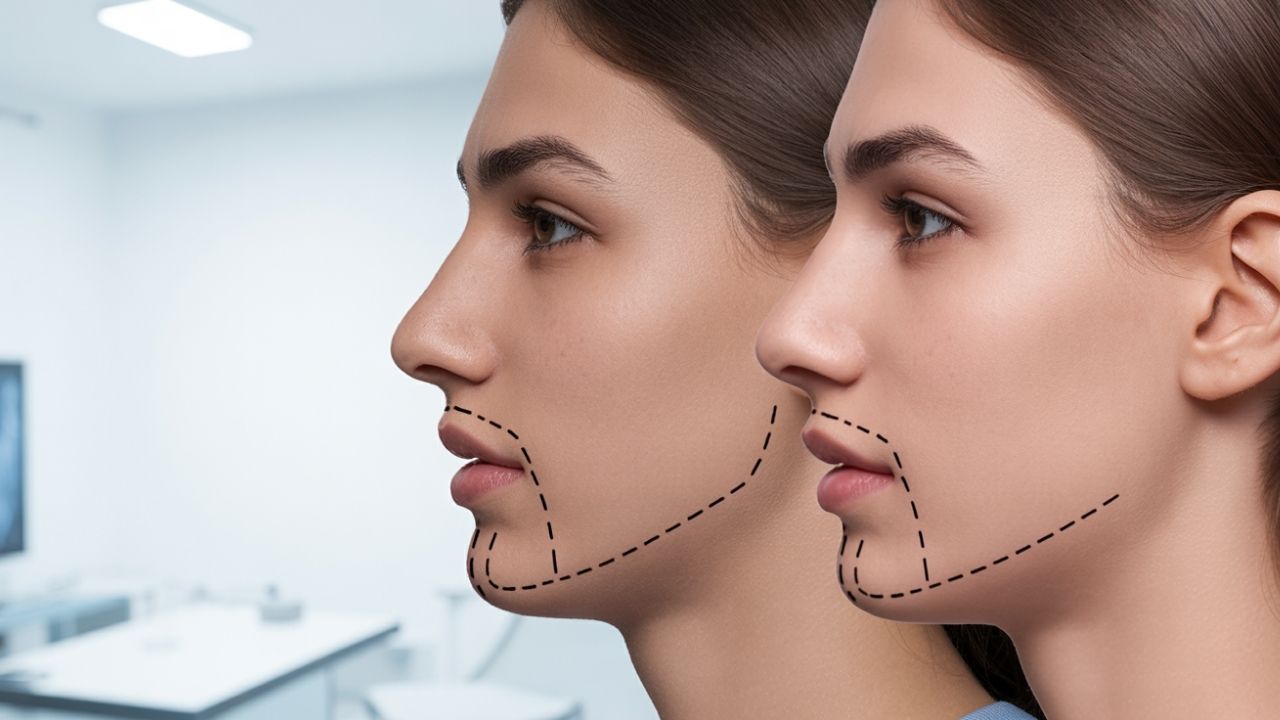
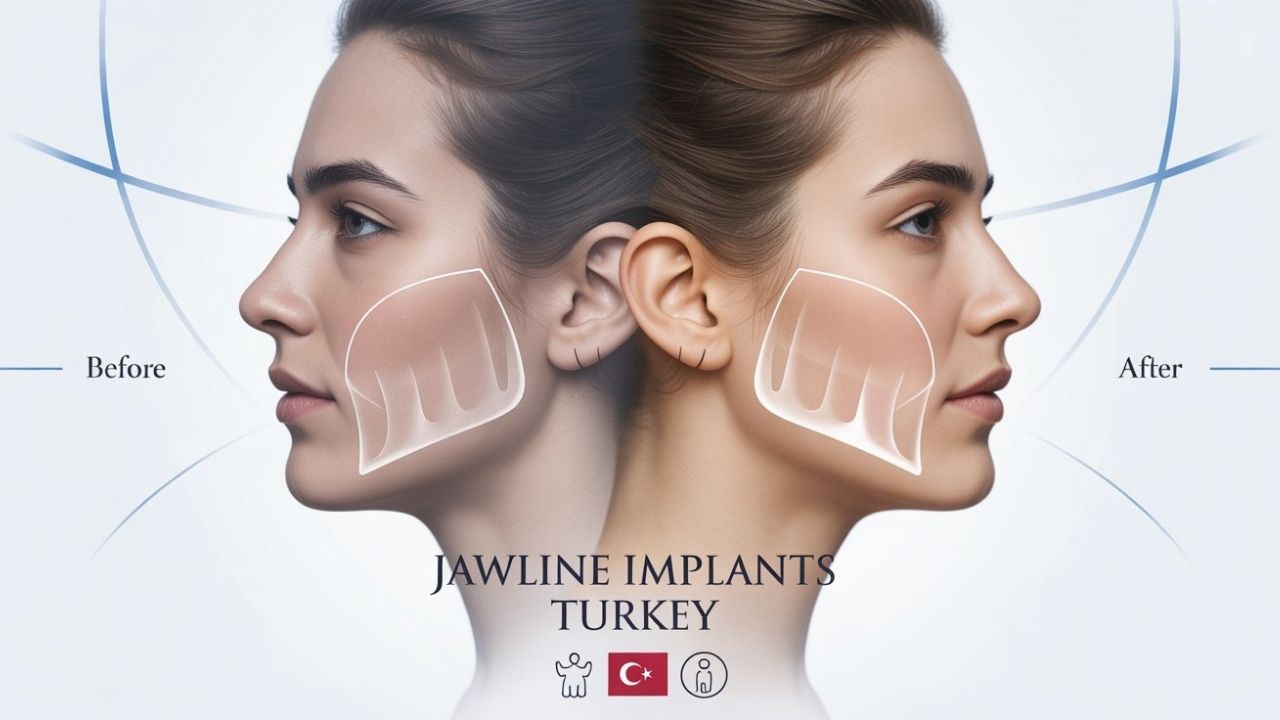
When asymmetry is structural and related to bone projection, facial implants often deliver the most permanent and natural-looking improvement. Chin, cheek, or jawline implants are commonly used.
Before: Noticeable bone imbalance.
After: Long-lasting structural harmony.
Face Asymmetry Before and After Corrective Jaw Surgery — When Bite and Bone Alignment Need Repair
Face Asymmetry Before and After Corrective Jaw Surgery — When Bite and Bone Alignment Need Repair
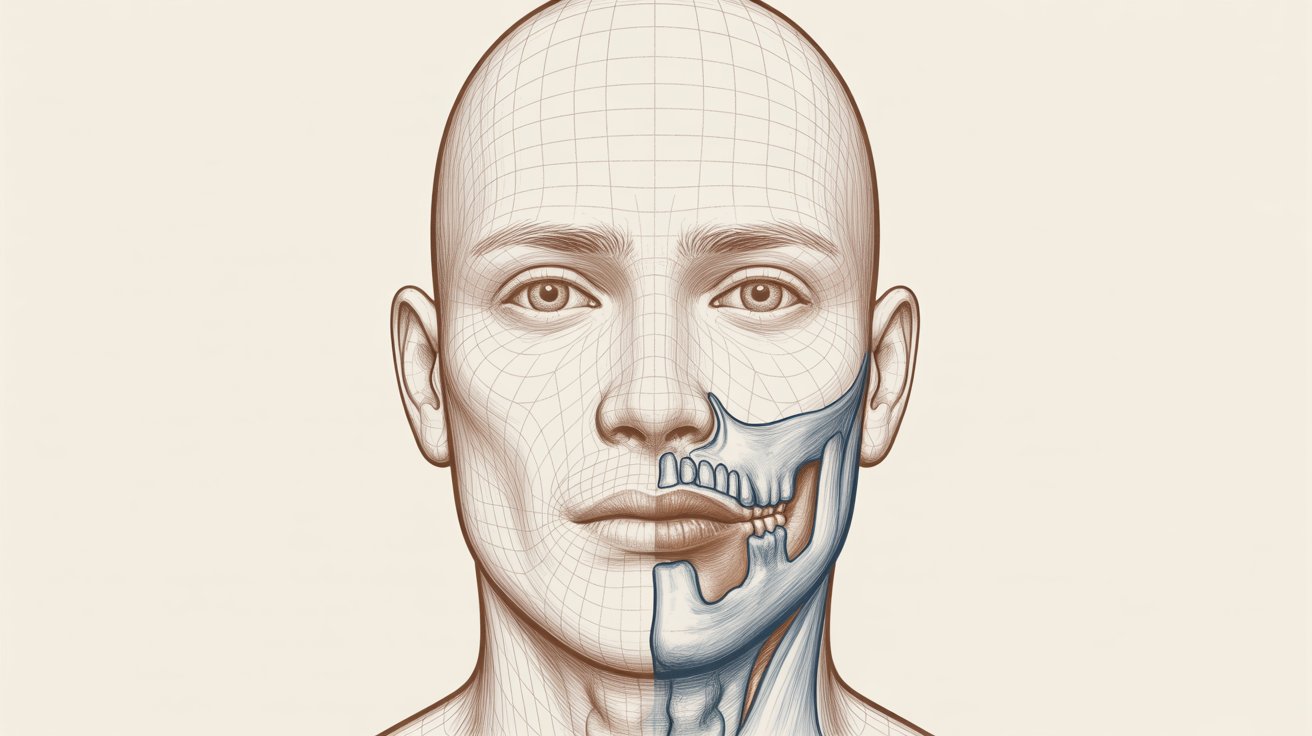
Corrective jaw surgery is recommended when severe skeletal misalignment or bite deviation exists.
Before: Chin deviation or major bite imbalance.
After: Restored facial structure and improved chewing, breathing, and bite function.
Can Face Asymmetry Ever Be Fully Corrected? Realistic Face Asymmetry Before and After Expectations
No face is ever 100% symmetrical. The goal is improvement — not cloning one side to match the other. The most beautiful results still preserve your natural character.
Different Treatment Methods and Their Face Asymmetry Before and After Results Explained
There is no single solution for everyone, which is why different treatment methods create different face asymmetry before and after results. The best approach depends on whether the cause is soft-tissue volume loss, muscle imbalance, or structural bone difference. Treatments such as fillers, Botox, facial implants, and jaw surgery can be used alone or in combination to create natural, balanced results. Understanding the purpose of each method helps set realistic expectations and ensures that the outcome matches your aesthetic goals.
Fillers and Their Face Asymmetry Before and After Transformation
Fillers restore missing volume for softer and more proportional facial features. They are especially effective when asymmetry is caused by uneven soft-tissue fullness rather than bone structure. Before and after results usually show smoother contour transitions and a more balanced overall appearance.
Botox and Expression Balance in Face Asymmetry Before and After
Botox helps balance facial asymmetry by relaxing overactive muscles on one side of the face. This creates more even movement during smiling, frowning, or raising the eyebrows. Before and after photos often reveal smoother expressions and a more harmonious look.
Facial Implants and Bone Structure Change in Face Asymmetry Before and After
Facial implants provide permanent contour enhancement to correct structural bone imbalance. They are ideal when asymmetry is caused by differences in jawline, chin, or cheekbone projection. Before and after results show long-lasting improvements in facial proportion and definition.
Jaw Surgery and Functional Improvements in Face Asymmetry Before and After
Jaw surgery corrects severe skeletal and bite-related asymmetry that cannot be improved with fillers or implants alone. The procedure repositions the jaw to restore both function and aesthetics. Before and after transformations often include improved chewing, facial balance, and overall symmetry.
Who Is the Best Candidate for Face Asymmetry Before and After Treatment Results?
Ideal candidates include those who:
Notice visible unevenness
Have asymmetry affecting their confidence
Understand realistic outcomes
Are medically suitable for treatment
Are There Risks? Safety Considerations in Face Asymmetry Before and After Procedures
When performed by a qualified specialist, treatments are safe — although swelling, bruising, or temporary numbness may occur. Advanced centers and experienced surgeons dramatically reduce complications and ensure natural-looking results.
How Long Do Face Asymmetry Before and After Results Last?
When people look at face asymmetry before and after results, one of the first questions they ask is how long the improvement will actually last. The answer depends entirely on the type of treatment used — whether the change comes from Botox, fillers, facial implants, or corrective jaw surgery. Some treatments provide temporary soft-tissue adjustments, while others permanently correct the underlying bone structure. Understanding the longevity of each option helps you choose the right approach and set realistic expectations about maintenance, refresh treatments, and long-term results.
Treatment Type
How Long Results Last
Botox
3–6 months
Fillers
9–18 months
Implants
Long-term or permanent
Jaw surgery
Permanent
The Emotional Impact — How Confidence Improves Face Asymmetry Before and After Treatment
Many patients report stronger self-confidence, more comfort in photos, and improved social ease after face balancing procedures. The goal is not to change your identity — but to support it.
Frequently Asked Questions About Face Asymmetry Before and After (2026)
The highest quality results come from surgeons specializing in symmetry, facial implants, and jaw correction. Experience, precision, and aesthetic judgment are essential to avoid over-correction and ensure subtle balance.
Can you actually fix facial asymmetry?
Yes — in many cases, facial asymmetry can be significantly improved. The best treatment depends on the cause, such as soft-tissue volume loss, muscle imbalance, or bone structure differences. Options include Botox, fillers, facial implants, orthodontics, or corrective jaw surgery.
Is 98% face symmetry good?
Yes, 98% facial symmetry is considered excellent and far above average. Most people naturally have noticeable asymmetry, so being this close to symmetry usually means the differences are extremely subtle. In daily life, others are unlikely to detect it.
Can a face be 100% symmetrical?
No — a face cannot be 100% symmetrical. Genetics, bone development, muscle activity, and aging all create minor variations between the left and right sides. The goal of treatment is balance and harmony, not mathematical perfection.
Is 95% symmetrical face good?
Yes, a 95% symmetrical face is considered very balanced. Most people fall well below this level of symmetry. At this level, asymmetry is usually not noticeable unless closely examined or highlighted in photos.
Can chewing gum help asymmetry?
No — chewing gum is unlikely to correct facial asymmetry and may even worsen it if you consistently chew on one side. Overworking one side of the jaw can increase muscle bulk and create imbalance. True structural or volume-related asymmetry usually requires medical treatment.
Can sleeping on my back fix my face?
Sleeping on your back may help prevent future uneven pressure on the face but rarely reverses existing asymmetry. Long-term side sleeping can contribute to soft-tissue flattening on one side in some people. However, meaningful correction typically requires professional treatment.
Do people notice face asymmetry?
Most mild facial asymmetry goes unnoticed because it is extremely common and natural. People tend to notice only more obvious differences or those affecting the jawline, smile, or cheeks. Often, individuals are more aware of their asymmetry than those around them.
At what age does your face change the most?
The face changes most rapidly during adolescence and early adulthood due to bone and soft-tissue development. Another major change occurs after the late 20s and 30s as aging, volume loss, and skin laxity gradually appear. Lifestyle, genetics, and dental changes also play a role.
What is the rarest face shape?
The diamond face shape is considered one of the rarest. It features a narrow forehead and chin with wider, high cheekbones. Although uncommon, it is often seen as striking and photogenic.