What Does Facial Harmony Really Mean?
Facial harmony isn’t about aligning every feature to a universal standard of beauty — it’s about how well the face functions as a visual whole. When the proportions of the face align in a complementary way, observers perceive the face as attractive, balanced, and healthy. This balance is influenced by factors such as symmetry, proportions, angles, and the interaction between underlying bone structure and soft tissues. The classic principle of the “Golden Ratio” is sometimes used to illustrate harmony — a mathematical proportion historically associated with aesthetically pleasing art and design — but true facial harmony goes beyond rigid measurements. Instead, it celebrates proportionate relationships among features that suit each individual’s unique facial architecture. What looks harmonious in one face might not translate directly to another, highlighting that facial harmony is both an artistic and scientific pursuit.Key Points of Facial Harmony
Understanding facial harmony begins with recognizing the fundamental elements that contribute to balanced aesthetics. These elements work together like instruments in an orchestra — when played in unison, they create a visually harmonious result.1. Proportion
Proportion refers to the size relationship between various facial features. It examines how the nose relates to the chin, how the spacing between the eyes relates to the width of the mouth, and how the upper, middle, and lower thirds of the face correspond to each other. When these proportions are balanced, the face appears cohesive and pleasing. For example, the width of the nose should relate proportionately to the width of the eyes and mouth to maintain visual continuity.2. Symmetry
Symmetry measures how closely the two sides of the face mirror one another. Although perfect symmetry is rare and not necessarily ideal, a degree of balanced symmetry contributes to how we perceive beauty. Minor asymmetries are natural and can even be attractive, adding character and individuality to a face. In cases where asymmetry is significant, targeted aesthetic approaches can improve balance without eliminating unique facial traits.3. Angles and Contours
Facial angles — such as the nasal profile, chin projection, and jawline contour — dramatically influence facial harmony. A well-defined jawline, balanced nasal bridge, and proportionate chin help create a structurally satisfying profile. Deviations in these angles — for example, a recessed chin or overly convex nose — can disrupt harmony, prompting tailored aesthetic interventions to restore structural balance.4. Thirds and Fifths of the Face
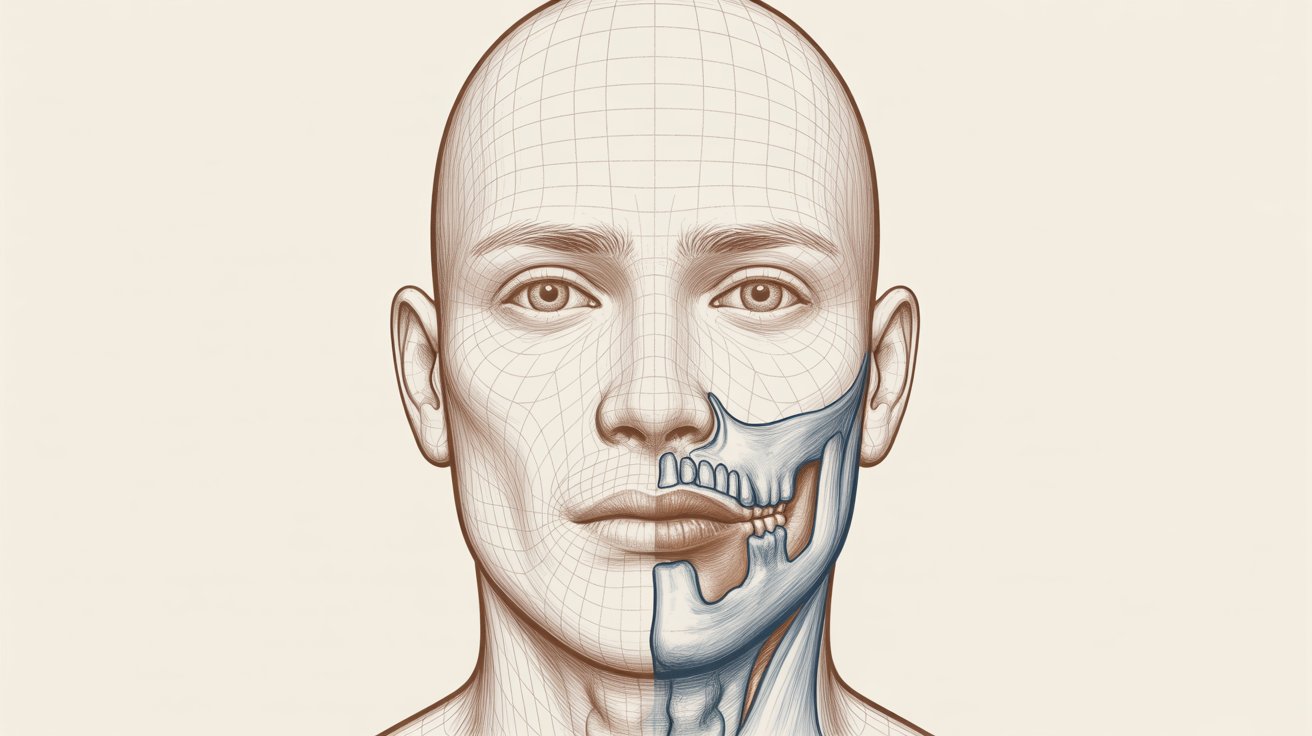
Traditional aesthetic analysis divides the face vertically into “thirds:” from the hairline to the brows, from the brows to the base of the nose, and from the base of the nose to the chin. Ideally, these segments should be relatively equal. Similarly, dividing the face horizontally into five equal sections — from ear to ear, with each eye and the spacing between them defined quantitatively — helps in understanding proportional relationships. While these frameworks aren’t absolute rules, they are useful guides that help clinicians evaluate harmony comprehensively across the face.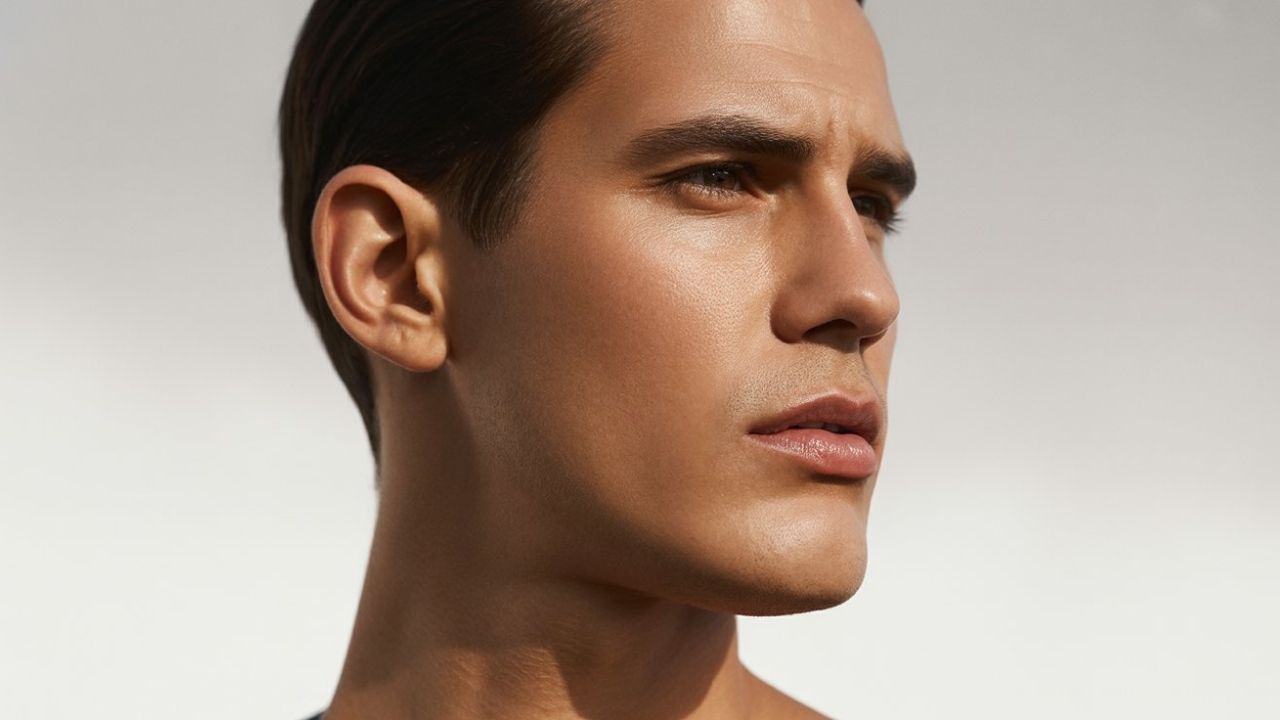
Facial Harmony and Modern Aesthetic Approaches
Today’s aesthetic practices — both surgical and non-surgical — are grounded in the pursuit of facial harmony. Rather than focusing on isolated features, experienced practitioners adopt a holistic view that considers how changes to one area affect the rest of the face.Non-Surgical Enhancements
Non-surgical treatments offer flexible ways to enhance harmony without invasive techniques. These include:| Non-Surgical Treatment | How It Supports Facial Harmony |
|---|---|
| Dermal Fillers | Injectable fillers can restore lost volume, smooth transitions between features, and lift areas such as the cheeks or lips to better align with surrounding structures. |
| Neuromodulators (e.g., Botox) | Relaxing specific muscles can soften asymmetries, smooth lines, and subtly reposition facial contours to achieve balance. |
| Skin Rejuvenation | Advanced treatments like microneedling, laser therapy, or chemical peels improve skin texture and tone, enhancing the foundation upon which facial harmony relies. |
Surgical Methods for Facial Harmony
For more pronounced or structural imbalances, surgical solutions provide long-lasting results:| Procedure | How It Supports Facial Harmony |
|---|---|
| Rhinoplasty | Because the nose sits at the center of the face, refining its shape and projection often yields significant improvements in overall harmony. |
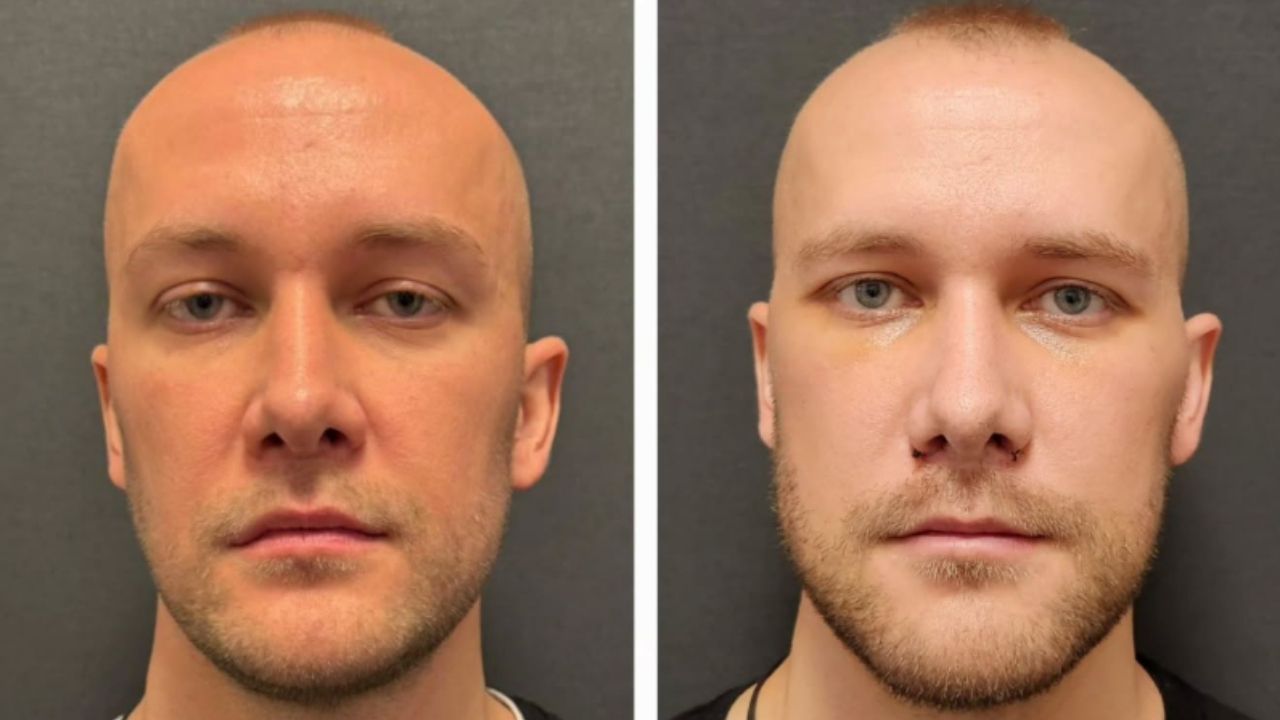
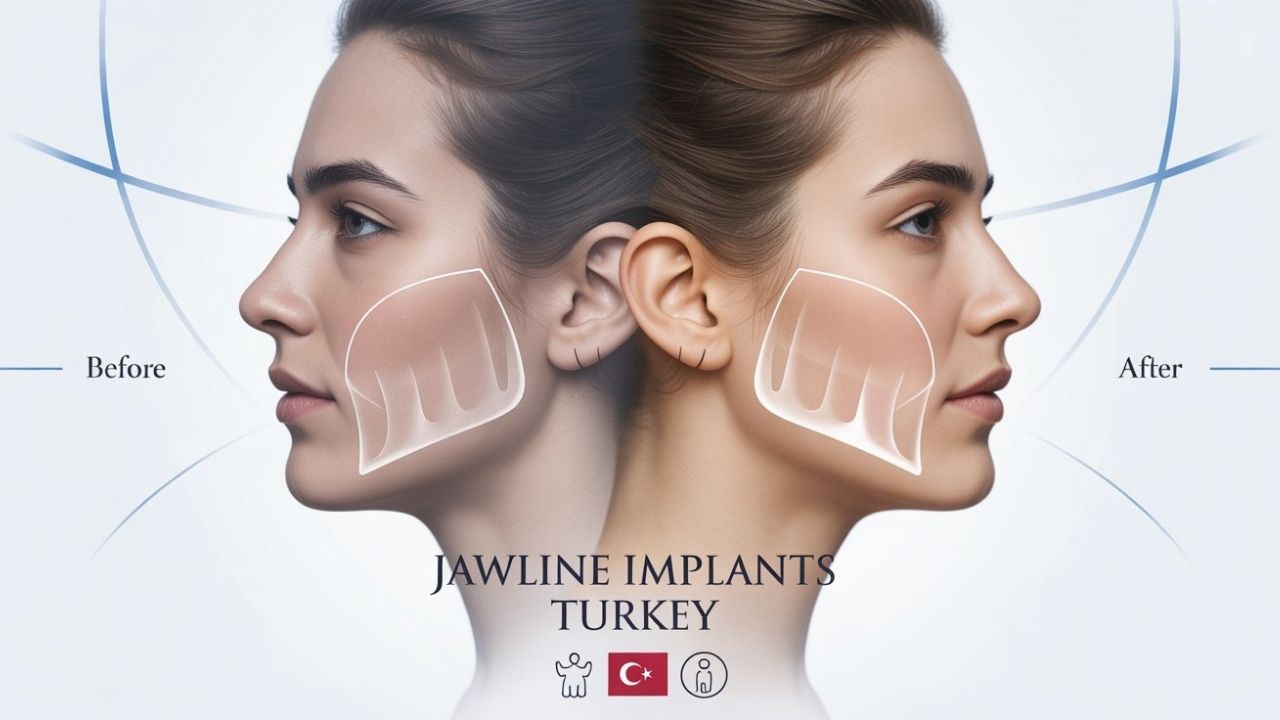
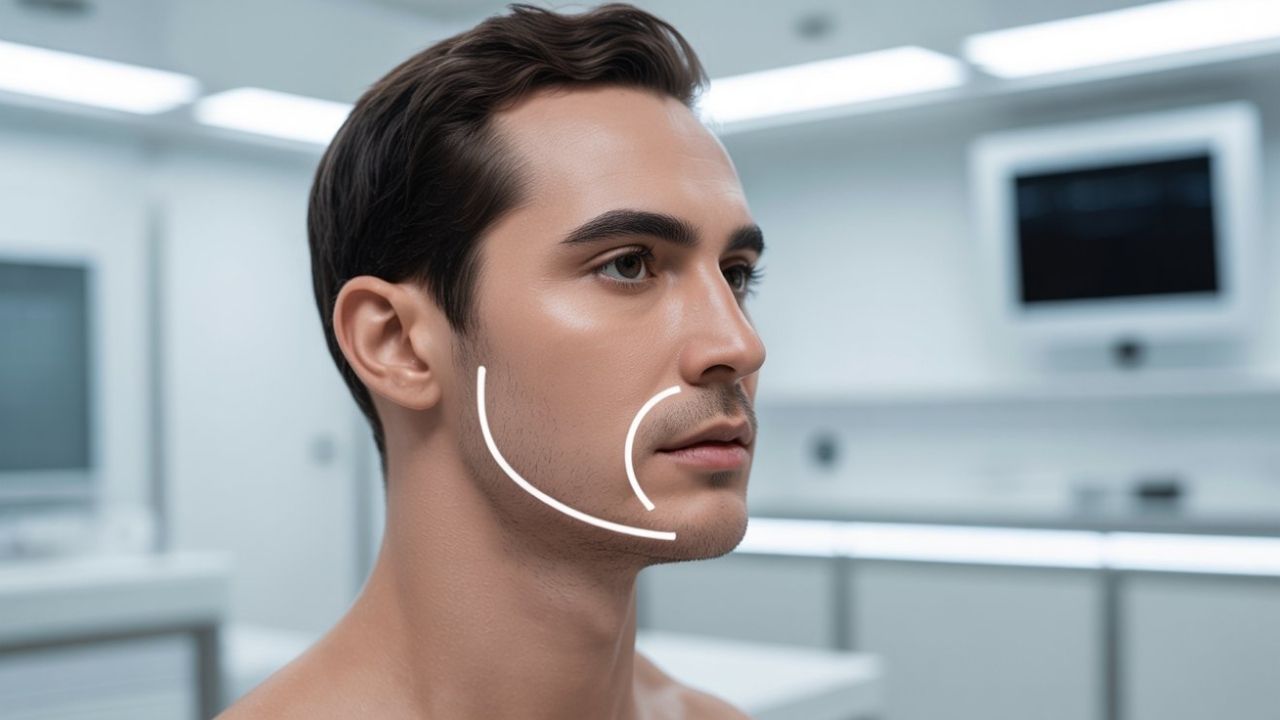
| Chin and Jawline Augmentation | Strengthening the lower face can balance a prominent nose or soften an overly round facial profile, creating a more cohesive side profile and frontal appearance. |
| Facelift and Neck Lift | Addressing changes due to aging — such as sagging tissues or volume redistribution — can restore youthful proportion and prevent harmony disruption. |
Harmony Versus Ideal Standards
For centuries, ideals like the “Golden Ratio” have been used to analyze facial proportions. This mathematical principle — approximately 1.618:1 — has been applied to facial measurements to gauge whether features are proportionate according to aesthetic theories. While these concepts offer insights into facial balance, beauty cannot be reduced to a single number. A face may diverge from classical measurements yet still exude harmony and aesthetic appeal if its features relate well to each other and reflect the person’s unique expression. In practice, aesthetic professionals use these frameworks as tools — not rigid standards — allowing for personalized interpretations that honor diversity in facial structure, ethnicity, and personal identity. True facial harmony respects individual uniqueness while enhancing balance and proportion.The Psychological Impact of Facial Harmony
Facial harmony doesn’t only affect visual appeal — it influences how individuals perceive themselves and how others respond to them. Research suggests that people with balanced and proportionate features are often perceived as more approachable, healthy, and confident. These perceptions can influence social interactions, self-esteem, and overall psychological well-being. While beauty standards vary across cultures and individuals, there is a universal appreciation for balanced proportions and visual coherence in the human face.Personalized Planning for Facial Harmony
No two faces are alike, and achieving true facial asymetry requires a personalized approach. An expert clinician will analyze the interplay between features — considering symmetry, proportions, angles, and overall structure — to devise a treatment plan that enhances balance while preserving individuality. This may involve a combination of surgical and non-surgical techniques, executed with a focus on subtle improvement rather than dramatic transformation. Comprehensive planning also takes into account dynamic expressions and how the face moves when speaking, smiling, or resting. Because facial harmony is influenced by both static proportions and movement, a holistic aesthetic evaluation weighs both in treatment design.Maintaining Harmony Over Time
Facial harmony isn’t static — it evolves across a person’s lifetime. Factors such as aging, facial fat redistribution, dental changes, or lifestyle habits can influence how facial features relate to one another. Maintenance strategies — including skin health care, targeted treatments, and lifestyle adjustments — help sustain balanced proportions over time. Regular consultations allow adjustments that support ongoing harmony and address age-related shifts without compromising natural expression.