What Is Facial Plastic Surgery?
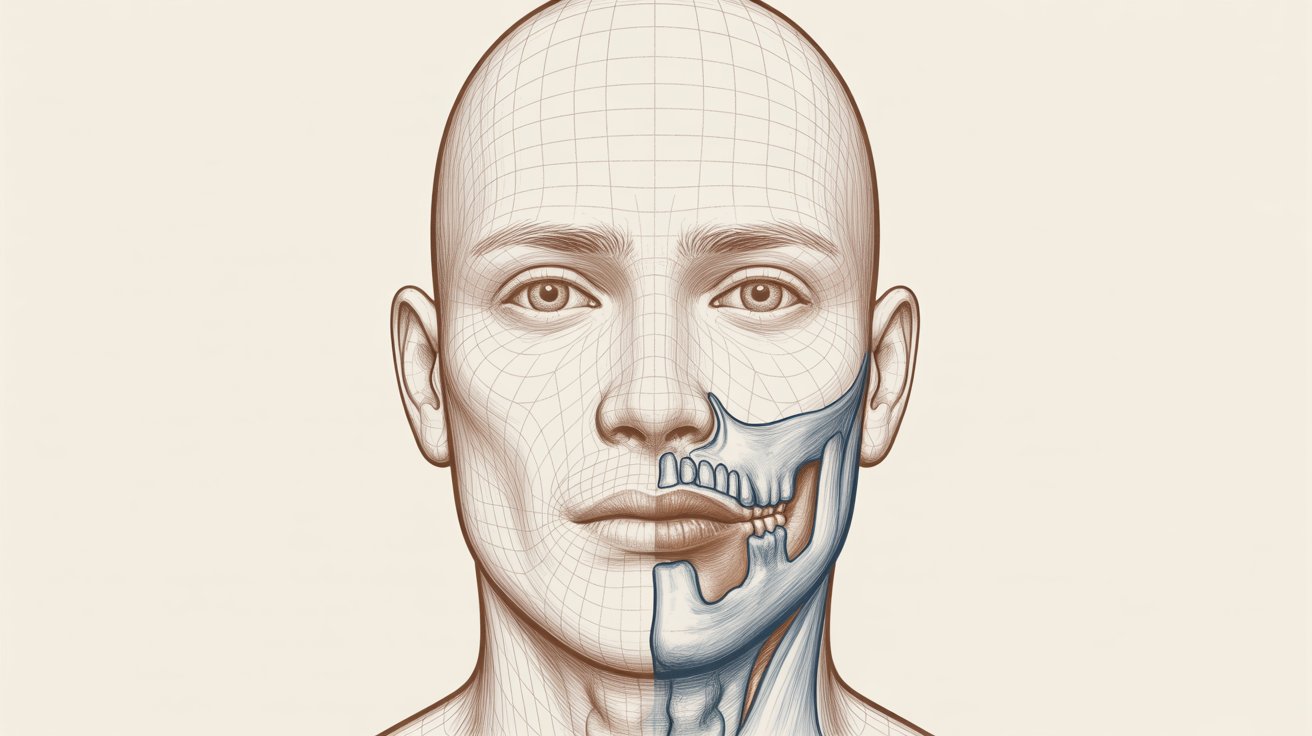
Facial plastic surgery is a surgical discipline focused on the face, head, and neck. Unlike general cosmetic procedures that may address the body as a whole, facial plastic surgery requires deep anatomical knowledge and precision because the structures involved — including bone, muscle, nerves, and delicate soft tissues — must work together harmoniously. The goal is not only to improve appearance, but also to maintain or enhance function, whether that be breathing, speaking, chewing, or expressing emotion. In 2026, facial plastic surgery encompasses a wide range of procedures, from minimally invasive treatments to major reconstructive operations. Patients frequently pursue facial plastic surgery to rejuvenate the face, correct asymmetry, repair post-traumatic defects, or address age-related changes that affect both aesthetics and self-perception.The Evolution of Facial Plastic Surgery
The field of facial plastic surgery has progressed significantly over the past decades. Early efforts focused primarily on basic reconstructive techniques and rudimentary cosmetic changes. Today, advanced imaging, refined surgical tools, and evidence-based procedural planning have expanded the scope of what is possible. This evolution has allowed surgeons to achieve outcomes that look natural, restore proper function, and minimize downtime and scarring. With technologies such as three-dimensional surgical simulation, augmented reality visualization, and computer-assisted planning, modern facial plastic surgery now offers patients clarity about their outcomes before they even enter the operating room. This integration of artistry and precision helps align patient expectations with surgical possibilities — a hallmark of ethical and successful facial plastic surgery practice in 2026.Common Types of Facial Plastic Surgery Procedures
Facial plastic surgery includes a broad range of procedures that can be customized to a patient’s anatomy and goals. Some of the most common and impactful categories are outlined below:Facial Rejuvenation
As people age, changes in skin elasticity, fat distribution, and bone structure can lead to sagging, wrinkles, and volume loss. Facial plastic surgery rejuvenation aims to restore a more youthful and balanced appearance while preserving the individuality of the face.| Procedure | Description |
|---|---|
| Rhytidectomy (Facelift) | Tightens facial tissues and removes excess skin to reduce sagging and restore jawline definition. |
| Brow Lift | Elevates a drooping forehead and reduces deep frown lines. |
| Blepharoplasty (Eyelid Surgery) | Removes excess skin and fat around the eyes for a more alert, refreshed look. |
Craniofacial and Reconstructive Procedures
Not all facial changes are age-related. Trauma, congenital differences, and disease processes can alter facial structure and function. Facial plastic surgery in reconstructive contexts restores essential anatomy and supports long-term health.- Cleft Lip and Palate Repair
- Zygomatic Reconstruction for cheekbone restoration
- Mandibular and Maxillary Surgery for jaw alignment and stability
Rhinoplasty (Nose Surgery)
Rhinoplasty is one of the most frequently performed procedures within facial plastic surgery. Whether pursued for breathing issues, aesthetic refinement, or both, rhinoplasty reshapes the nose with precision, preserving harmony with surrounding features. Rhinoplasty demonstrates how surgical expertise can balance aesthetic goals with functional outcomes — a central theme in modern facial plastic surgery.Neck and Chin Procedures
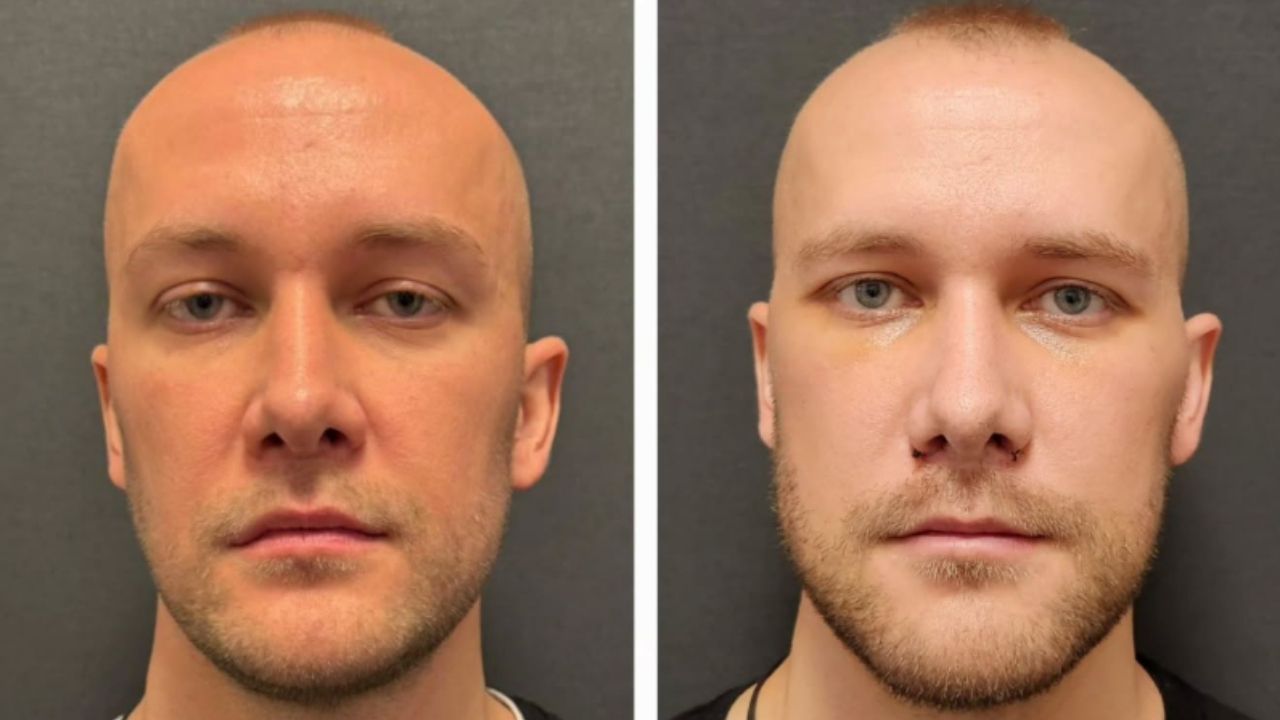
Procedures such as neck lifts, chin implants, and submental liposuction contribute to a more defined lower facial profile. Together with other facial plastic surgery techniques, these procedures help achieve proportional harmony between the face and neck.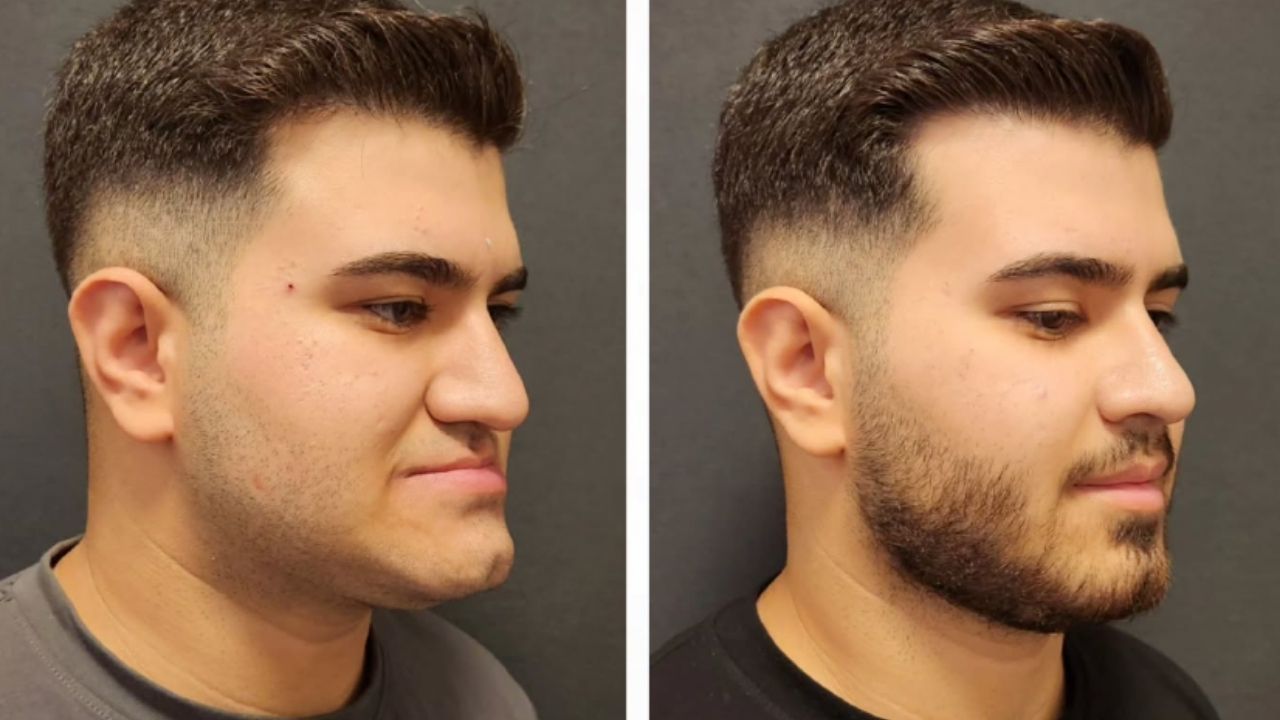
Who Is a Good Candidate for Facial Plastic Surgery?
A wide range of individuals consider facial surgery for many reasons. Ideal candidates typically:- Have realistic expectations
- Desire improvement, not perfection
- Are in good general health
- Have specific aesthetic or functional concerns
Preparing for Facial Plastic Surgery
Preparation is a cornerstone of successful facial plastic surgery. Before any procedure, the surgical team conducts a thorough evaluation, which may include:- Medical history and physical assessment
- Three-dimensional imaging and surgical planning
- Discussion of patient goals and expected results
- Pre-operative instructions to optimize healing
Recovery and Aftercare
Recovery from facial surgery varies based on the type and extent of the procedure. Patients may experience swelling, bruising, or discomfort initially, but these symptoms typically improve over time. Pain management, wound care, and follow-up appointments are crucial to a smooth healing process. Most patients return to light activities within a few days to weeks, depending on the procedure. Your surgical team will provide specific guidance, recognizing that individualized aftercare is as important as the procedure itself in achieving optimal results from facial plastic surgery.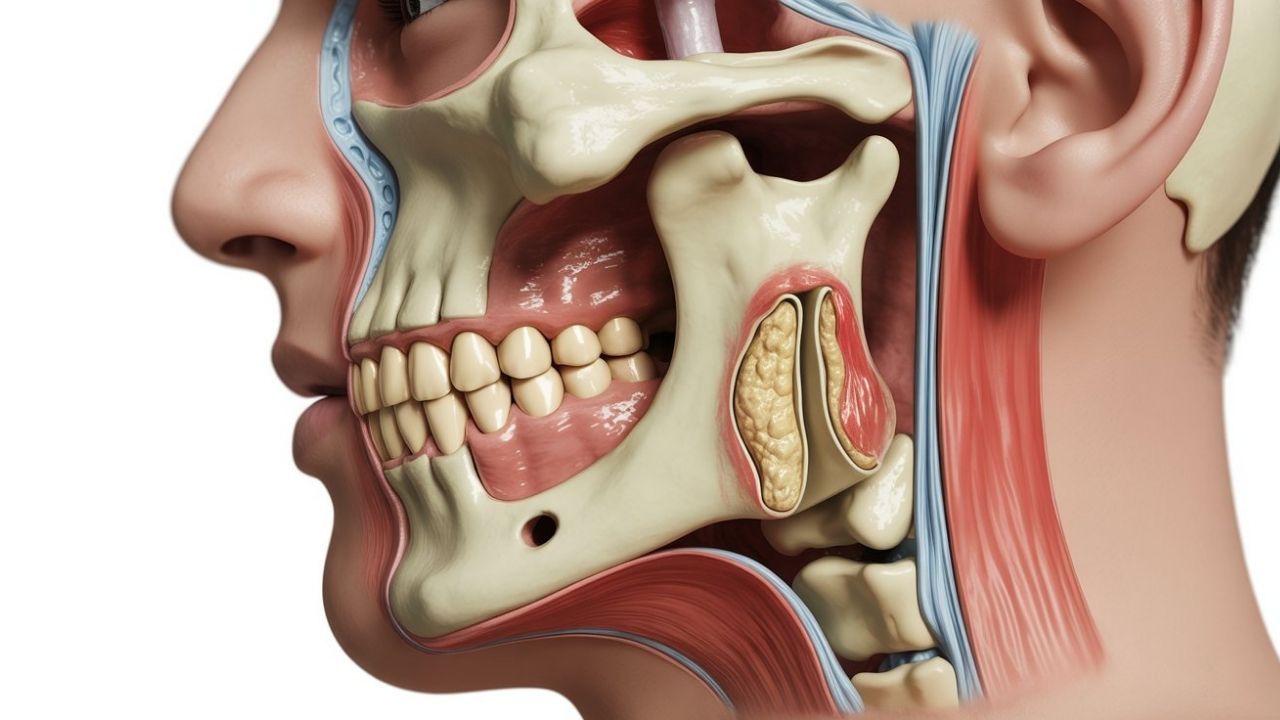
Facial Plastic Surgery Procedure
Facial surgery has continued to evolve rapidly, and by 2026 the field has entered a new era focused on precision, safety, personalization, and natural-looking outcomes. Modern technology now works together with surgical expertise to ensure each patient receives treatment tailored to their anatomy, needs, and expectations. Below are some of the most important developments shaping facial surgery in 2026.Minimally Invasive Techniques That Reduce Downtime
One of the biggest trends in 2026 is the growing use of minimally invasive techniques. These approaches are designed to achieve impressive aesthetic and functional results while minimizing scarring, swelling, and recovery time. Endoscopic surgery, refined incision placement, and advanced tissue-handling methods allow many patients to return to normal life more quickly, with outcomes that look more natural than ever before.Biocompatible Implants Tailored to Patient Anatomy
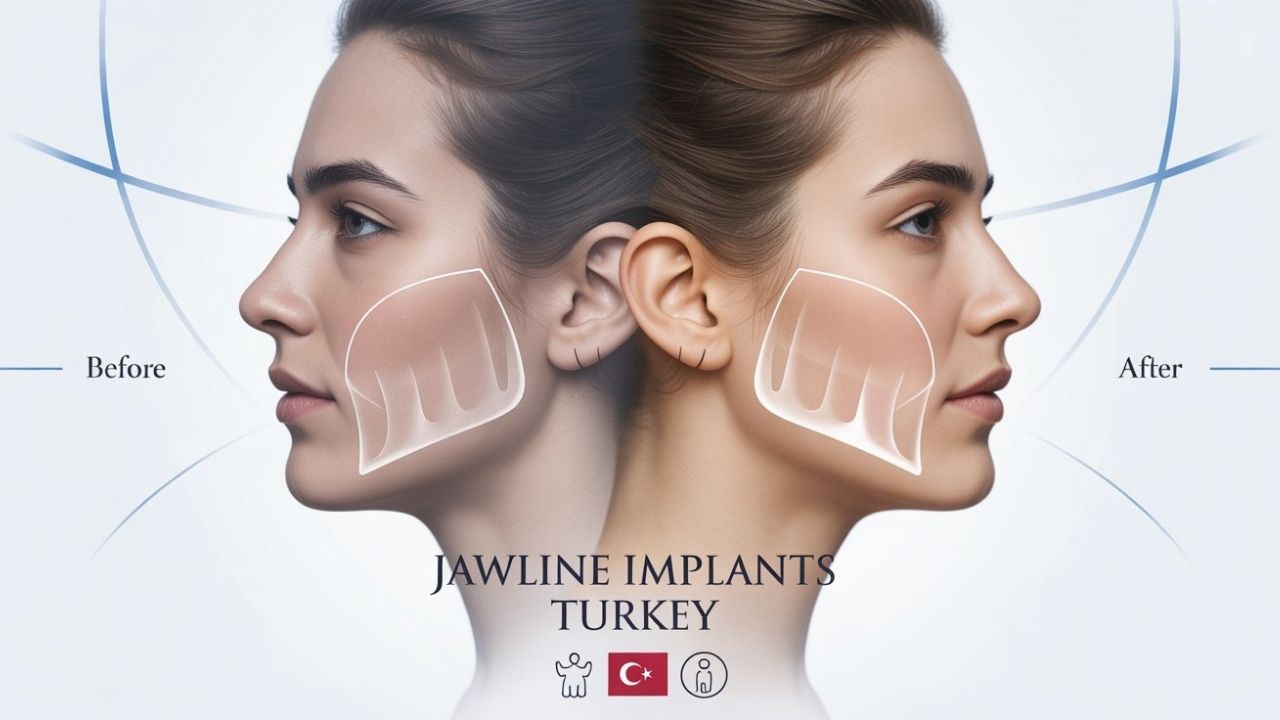
Another major advancement in facial plastic surgery is the development of highly biocompatible implants that are customized to each patient’s unique skeletal structure. These implants integrate safely with surrounding tissues and provide long-term stability. Custom design means surgeons can achieve precise symmetry, improved contouring, and a more predictable final result — especially in areas such as the chin, jawline, and cheekbones.Hybrid Procedures Combining Surgery With Regenerative Therapies
In 2026, many surgeons are combining traditional surgical methods with regenerative treatments such as fat grafting, stem-cell-based techniques, and skin-rejuvenation therapies. These hybrid approaches enhance healing, improve tissue quality, and create softer, more youthful results. Instead of simply repositioning or tightening tissues, regenerative support helps restore facial volume and vitality in a natural and biologically supportive way. Together, these advancements reflect a global shift in facial plastic surgery — away from dramatic alteration and toward harmony, subtle refinement, and long-term well-being.