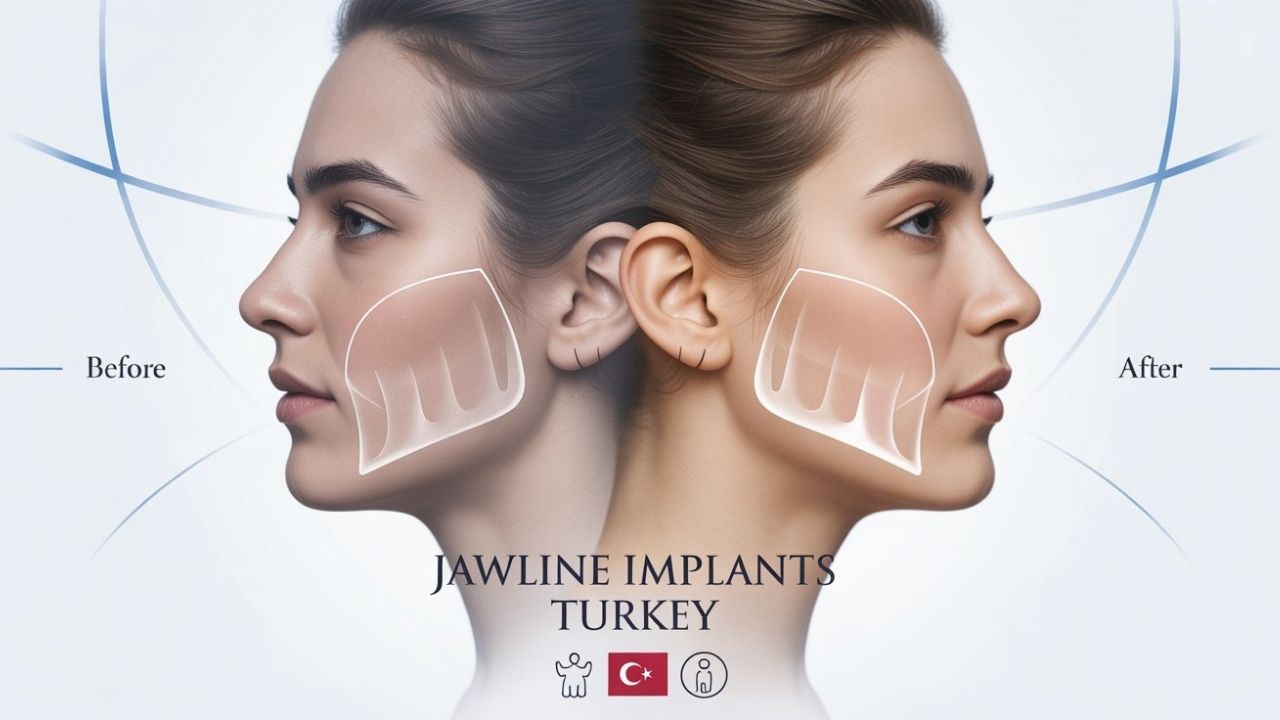
How are the Jawline Implant Before and After Process? Why do you need a jawline operation? Why is Istanbul the best destination for jawline implant?
A defined and balanced jawline can completely transform the face — sharpening the profile, improving symmetry, and restoring youthful structure. That is why so many people search for jawline implant before and after photos when considering surgery. These images help patients visualize potential results and understand what can realistically be achieved with modern facial implant techniques.
But photos alone are not enough. To make a confident and informed decision, you also need to know what happens before surgery, what changes to expect after, how swelling affects early results, and how long final outcomes take to settle. This comprehensive guide explains every stage of the journey — from consultation to long-term healing — so you can approach your transformation with clarity and peace of mind.
If you are researching jawline enhancement and want specialist-led care, you can also explore treatment options at the MaxFace Implant Center, a leading destination for advanced facial implant surgery.
What Is a Jawline Implant?
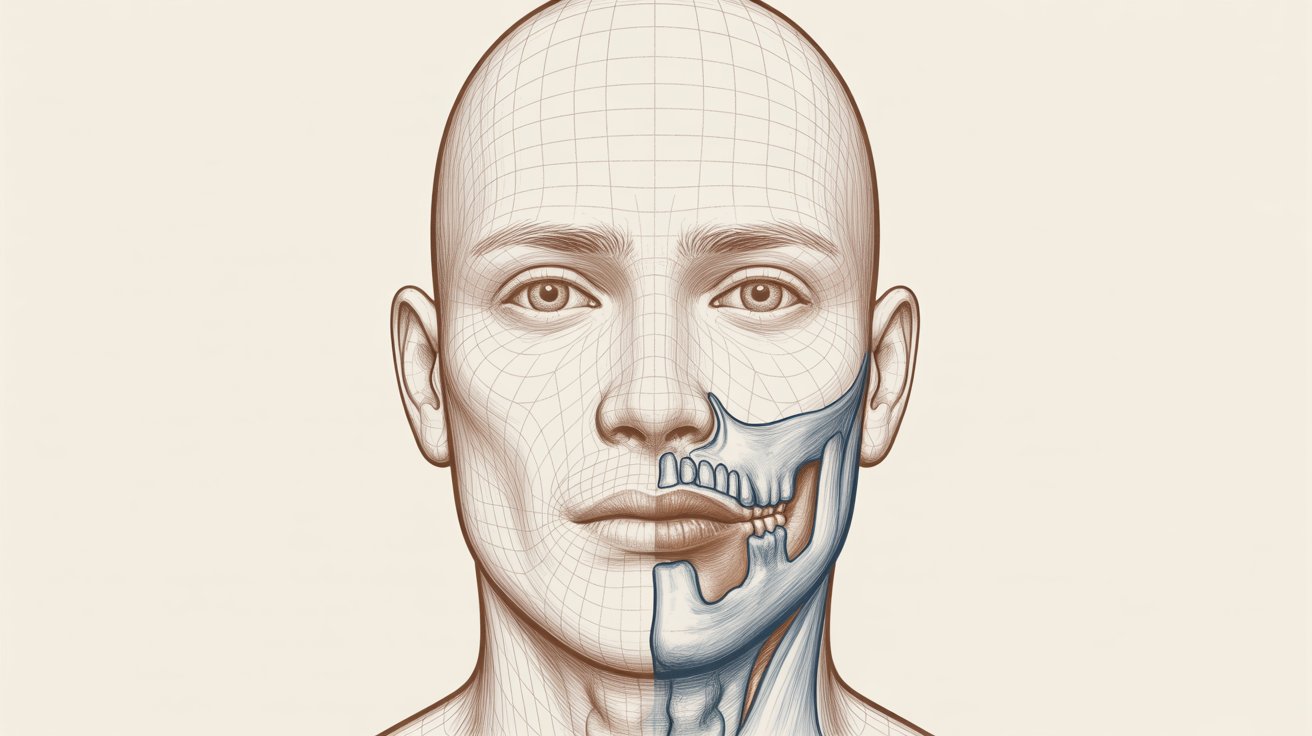
A jawline implant is a biocompatible medical device placed along the jawbone to increase definition, width, and angularity. It helps create a stronger and more sculpted lower face. These implants are typically made from medical-grade silicone or porous polyethylene and are designed to blend smoothly with your natural bone structure.
Jawline implants may be placed alone or combined with chin implants, genioplasty, or neck contouring. They are ideal for people who feel their jawline looks weak, soft, asymmetrical, or less defined than desired — whether due to genetics, aging, or weight changes.
Transformation of the Face (Jawline Implant Before and After )
Transformation of the Face (Jawline Implant Before and After )
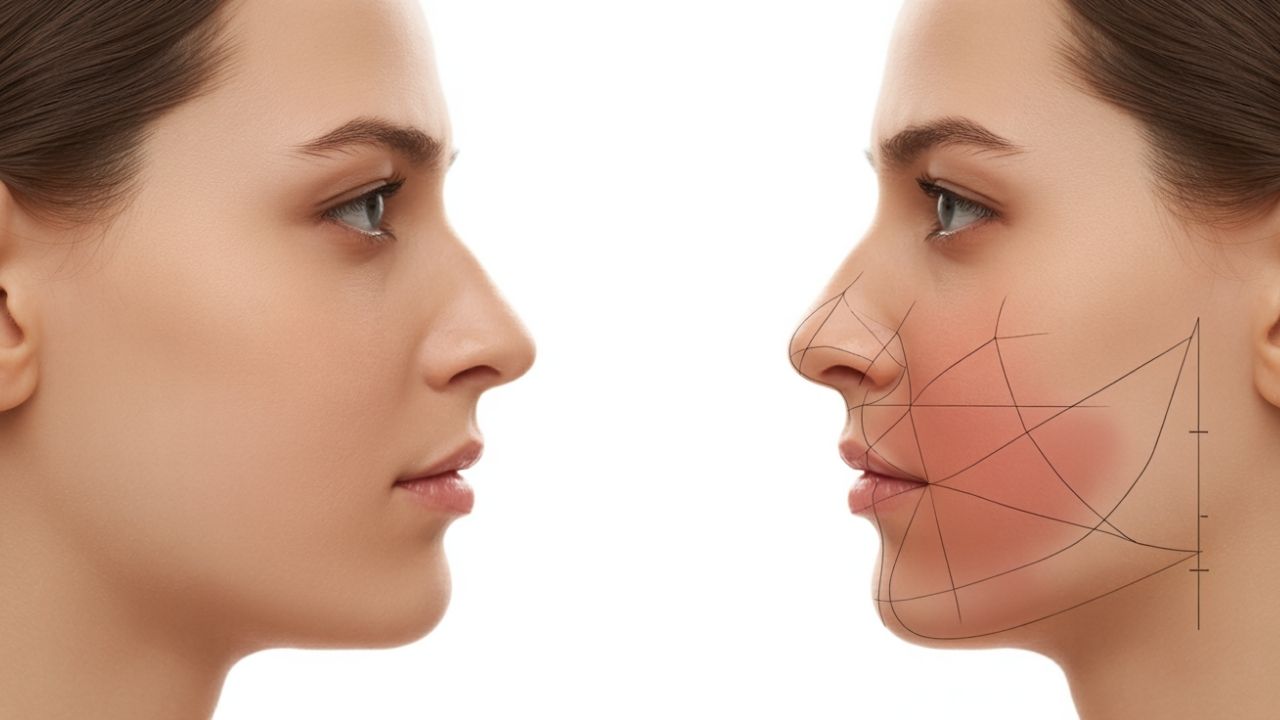
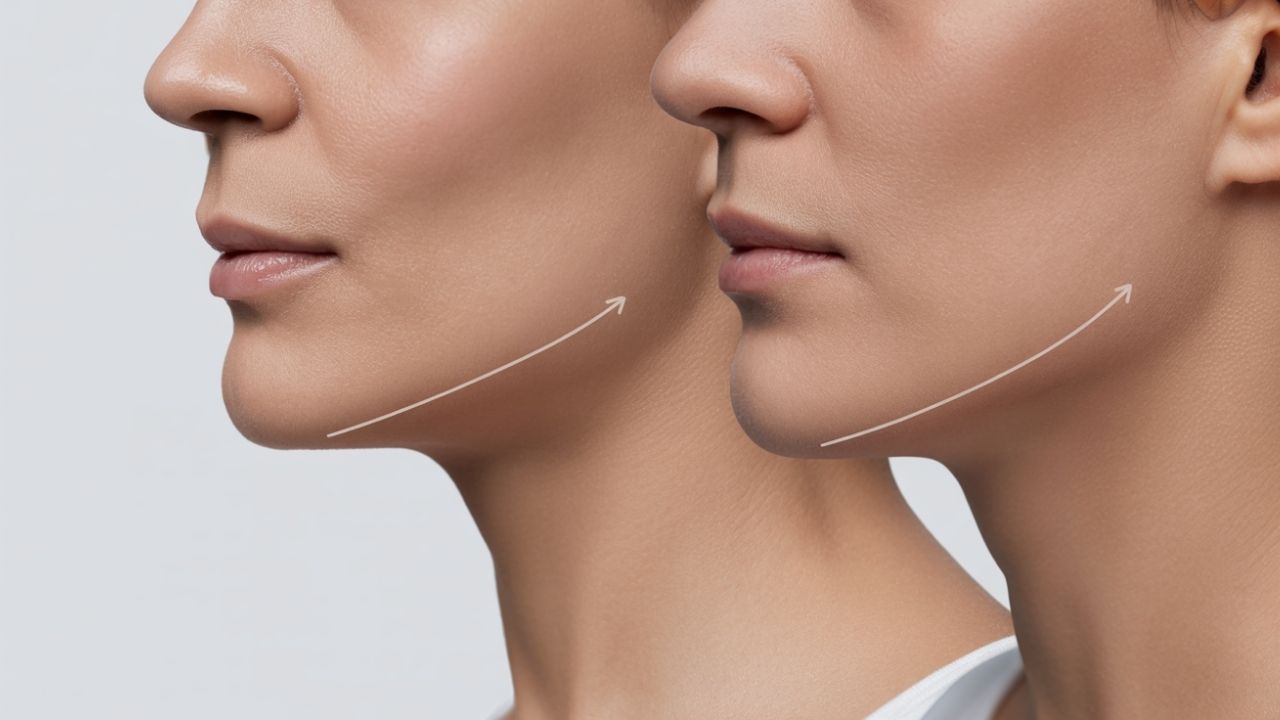
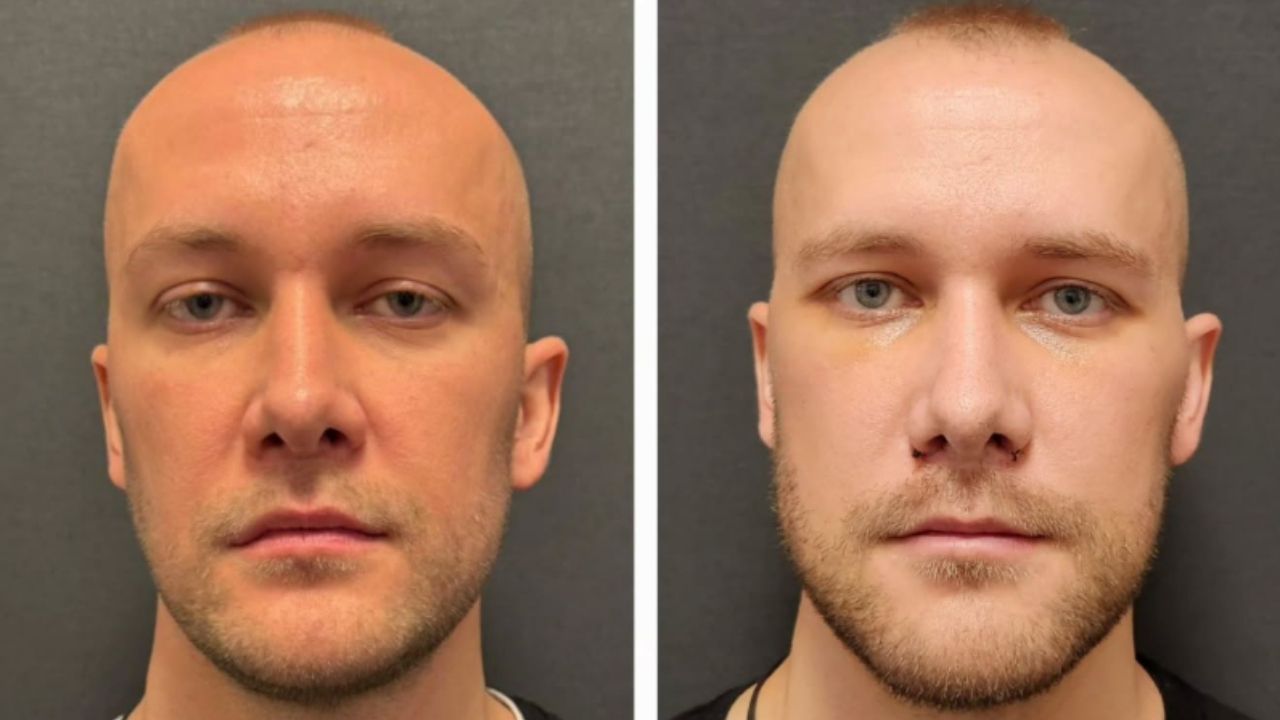
Most people begin their decision-making process by looking at jawline implant before and after photos. These images highlight how much definition and balance can be restored or created. Common improvements include:
A sharper and more structured jawline
Enhanced side profile and chin–jaw harmony
Improved facial balance and proportions
Masculinization or refinement depending on the desired look
Reduction in the appearance of jowls or sagging tissues
When performed by an experienced maxillofacial surgeon, the result is not an artificial or “plastic” look — instead, the jawline appears naturally defined, as though it has always belonged to your face.
Before Jawline Implant Surgery – Planning and Preparation Process
The journey begins long before surgery. High-quality jawline implant before and after results depend heavily on expert assessment, precise planning, and realistic goal-setting. Here is what typically happens before the procedure.
Comprehensive Consultation
Your surgeon will examine your:
Jaw shape and bone structure
Bite alignment
Facial proportions
Soft tissue thickness
Neck contour
Overall symmetry
They will also discuss your expectations — whether you want a bold, structured look or a softer and more subtle enhancement.
3D Imaging and Customization
Many advanced centers use digital planning software and 3D scanning to design implants tailored to your anatomy. Custom implants can deliver exceptionally natural results, especially for patients with asymmetry or previous facial surgery.
Medical Preparation
Standard blood tests, health checks, and sometimes dental evaluation are completed to ensure you are ready for anesthesia and surgery. Smokers are usually advised to stop smoking before surgery to support healing.
During Jawline Implant Surgery: What Happens?
During Jawline Implant Surgery: What Happens?
Jawline implant surgery is typically performed under general anesthesia. Small incisions are made either inside the mouth or discreetly under the chin. The implant is then positioned securely along the jawbone and fixed in place to prevent movement. The incisions are closed with dissolvable stitches.
The procedure usually takes around 1–2 hours, depending on the complexity and whether additional procedures are combined.
After Jawline Implant Surgery: What to Expect
Most people are surprised by how different the jawline can appear even in the first few days — however, early swelling can temporarily exaggerate fullness or sharpness. That’s why jawline implant before and after results should always be evaluated after full healing.
Recovery Stage
What to Expect
Days 1–3
Swelling, tightness, and some bruising are normal. A soft diet is usually recommended.
Days 4–7
Swelling begins to decrease. Discomfort continues to improve.
Week 2
Most people feel comfortable returning to normal social activities.
Weeks 3–4
The jawline shape starts to stabilize and look more natural.
3 Months
Final results are typically visible once swelling has fully resolved.
During recovery, your surgeon will monitor healing and ensure implants remain stable and well-positioned.
Jawline Implant Before and After: Natural vs Overdone
The best surgical results look balanced and harmonious — not extreme. A skilled surgeon evaluates the entire face, not just the jawline. This prevents the “over-filled” or bulky look seen in poorly planned procedures.
Natural-looking improvements include:
Smooth transition from chin to angle of jaw
Definition without harsh edges
Proportional enhancement with cheekbones and chin
Soft-tissue support, not distortion
Subtle improvements often balance the face more effectively than aggressive enlargement.
Realistic Expectations: What Jawline Implants Can and Can’t Do
Jawline implants can:
Strengthen a weak jaw
Improve side-profile harmony
Give better facial definition
Correct asymmetry
Enhance masculine or refined features
Jawline implants cannot:
Change your bite (this requires orthognathic surgery)
Replace major weight loss or lifting procedures when tissues are very loose
Men often want a stronger, angular, square-shaped jaw — enhancing masculinity and strength of profile. Women may prefer gentle definition with soft curves rather than sharp edges.
That is why jawline implants must be carefully designed to suit facial gender aesthetics and individual goals.
Who Is a Good Candidate for Jawline Implants?
You may benefit from surgery if you have:
A weak or recessed jawline
Facial imbalance between chin, jaw, and cheeks
Genetic lack of jaw projection
Mild sagging or tissue descent
Asymmetry or post-traumatic imbalance
Desire for a permanent solution instead of fillers
A full consultation is always required to confirm suitability and ensure expectations match achievable results.
Risks and Safety: What to Know
Jawline implant surgery is considered safe when performed by a qualified specialist. However, like all surgery, it carries possible risks including:
Infection
Temporary numbness
Swelling and bruising
Implant displacement (rare with correct fixation)
Asymmetry
These risks are significantly minimized when working with an experienced maxillofacial surgeon in an accredited facility.
Jawline Implant Before and After vs Fillers
Many people start with fillers — but fillers are temporary and cannot replicate true bone-level structure. Over time, repeat filler treatments can become more expensive than permanent implants. Fillers may also migrate or create heaviness in the lower face.
Implants provide:
Predictable structure
Long-term stability
More dramatic and natural contour
Better symmetry control
This is why many patients eventually transition from fillers to implants.
Emotional Impact: Confidence Before and After
The transformation is not just physical — many patients report improved self-esteem, stronger presence in photographs, and greater confidence in social or professional settings. A defined jawline can contribute to a more youthful and energetic appearance.
Jawline Implant Cost and Value
Cost varies by surgeon expertise, clinic quality, implant design, and country. However, unlike temporary treatments, jawline implants represent a long-term investment in facial structure and balance. You can explore expert-led treatment approaches at MaxFace Implant Center.
Choosing the Right Surgeon Matters
The quality of your jawline implant before and after result depends on the experience, precision, and aesthetic understanding of your surgeon. Working with a specialist in maxillofacial and facial implant surgery is essential for long-term safety, natural outcomes, and predictable stability.
For advanced jawline implant planning and care, many patients place their trust in internationally recognized maxillofacial surgeons such as Prof. Dr. Celal Çandırlı, who is known for combining medical precision with natural and aesthetic results.
Frequently Asked Questions About Jawline Implant Before and After
How long do jawline implants last?
Jawline implants are designed to be long-term or permanent. When placed correctly by an experienced maxillofacial surgeon, they can last a lifetime without needing replacement. Good oral hygiene, stable bone structure, and following post-operative care instructions help support long-term success.
How much does a jawline implant cost in Turkey?
The cost of a jawline implant in Turkey generally ranges from $5,000 to $12,000 depending on the surgeon’s expertise, whether the implant is custom-designed, the clinic facilities, anesthesia fees, and whether additional procedures such as chin or neck contouring are included. Turkey is known for providing high-quality jaw surgery at more accessible prices compared to the US and Europe.
Are jawline implants worth it?
For many patients, jawline implants are worth it because they provide permanent, natural-looking facial definition and balance — unlike fillers, which must be repeated regularly. A stronger jawline can improve side-profile harmony, restore youthful structure, and increase confidence. The key factor is choosing a skilled, specialist surgeon.
What age is best for jaw surgery?
The best age for jawline surgery is typically after facial growth is complete — usually from age 18 onward. Many patients choose surgery in their 20s, 30s, and even 40s or 50s. Overall health and realistic expectations are more important than age alone.
Is Turkey good for jaw surgery?
Yes. Turkey is one of the leading destinations for jaw surgery thanks to highly trained maxillofacial surgeons, advanced hospital facilities, and patient-focused care — often at more affordable prices than many Western countries. Many international patients travel to Turkey specifically for facial implant and jaw surgery.
Are jawline implants safe?
Jawline implants are considered safe when performed by a qualified maxillofacial surgeon in an accredited medical facility. As with any surgery, there are small risks such as infection, swelling, or temporary numbness — but complication rates are low when the procedure is performed by an experienced specialist.
Is 30 too late for jaw surgery?
No — 30 is not too late for jaw surgery. Many patients undergo jawline enhancement in their 30s or later to correct weak jaw structure, improve symmetry, or reverse age-related volume loss. As long as you are healthy, age is not a barrier.
How painful is jaw surgery?
Jawline implant surgery is performed under anesthesia, so you do not feel pain during the operation. Mild to moderate discomfort, swelling, and tightness are normal in the first one to two weeks and are usually well-managed with pain medication and proper post-operative care.
Can a dentist tell if you need jaw surgery?
Yes — dentists and orthodontists can often identify bite problems, jaw misalignment, or structural issues that may require evaluation by a maxillofacial surgeon. However, cosmetic jawline enhancement decisions are typically made after a specialist consultation and detailed facial analysis.