Opening hours: 8am to 6pm
Kadıköy, İstanbul
Opening hours: 8am to 6pm
Kadıköy, İstanbul

Titanium Facial Implants Before and After: A Comprehensive Guide to Facial Transformation

Titanium Facial Implants Before and After: A Comprehensive Guide to Facial Transformation
Titanium facial implants before and after results often represent more than a physical change — they mark a transformation in facial balance, confidence, and self-perception. At MaxFaceImplant, titanium-based facial implant solutions are designed to enhance structural harmony while maintaining natural aesthetics.This in-depth guide explores what patients can realistically expect before surgery, immediately after implantation, during recovery, and in the long term. It is written for individuals researching advanced facial implant solutions and seeking reliable, medically grounded information suitable for both UK and US audiences.

What Are Titanium Facial Implants? Titanium Facial Implants Before and After Surgery

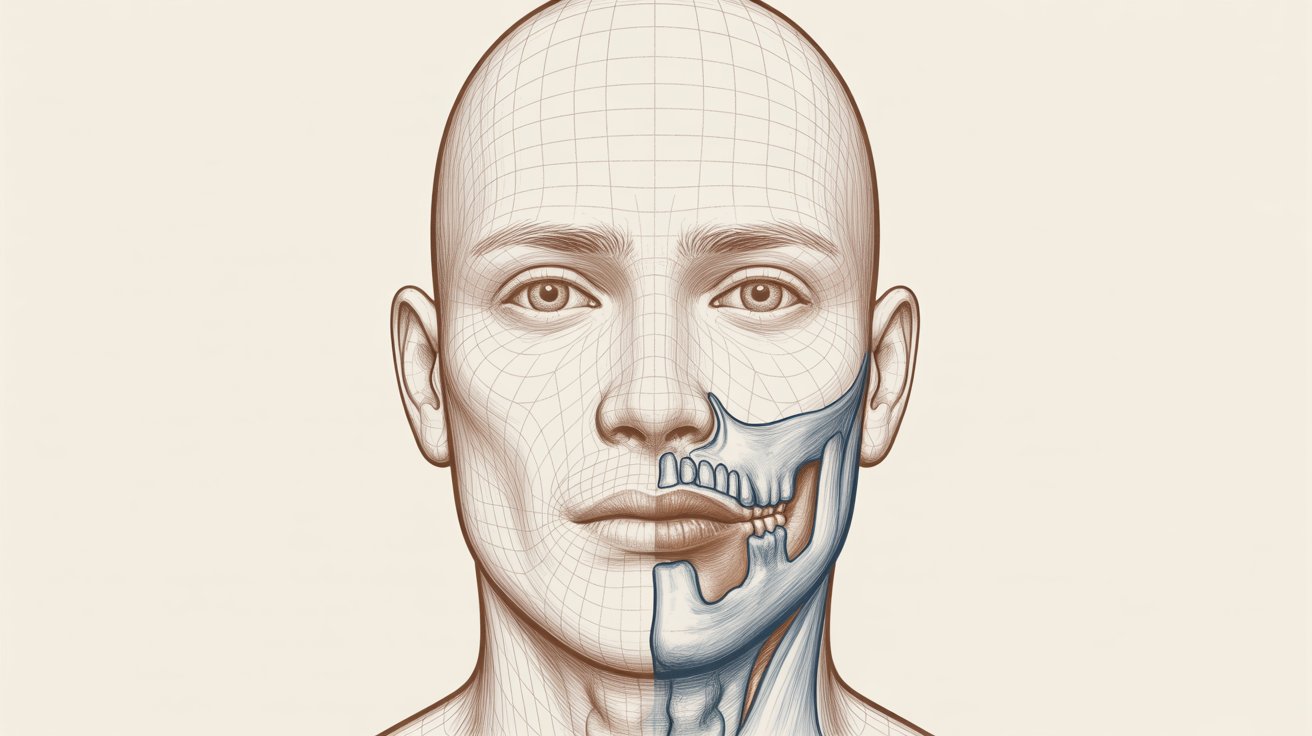
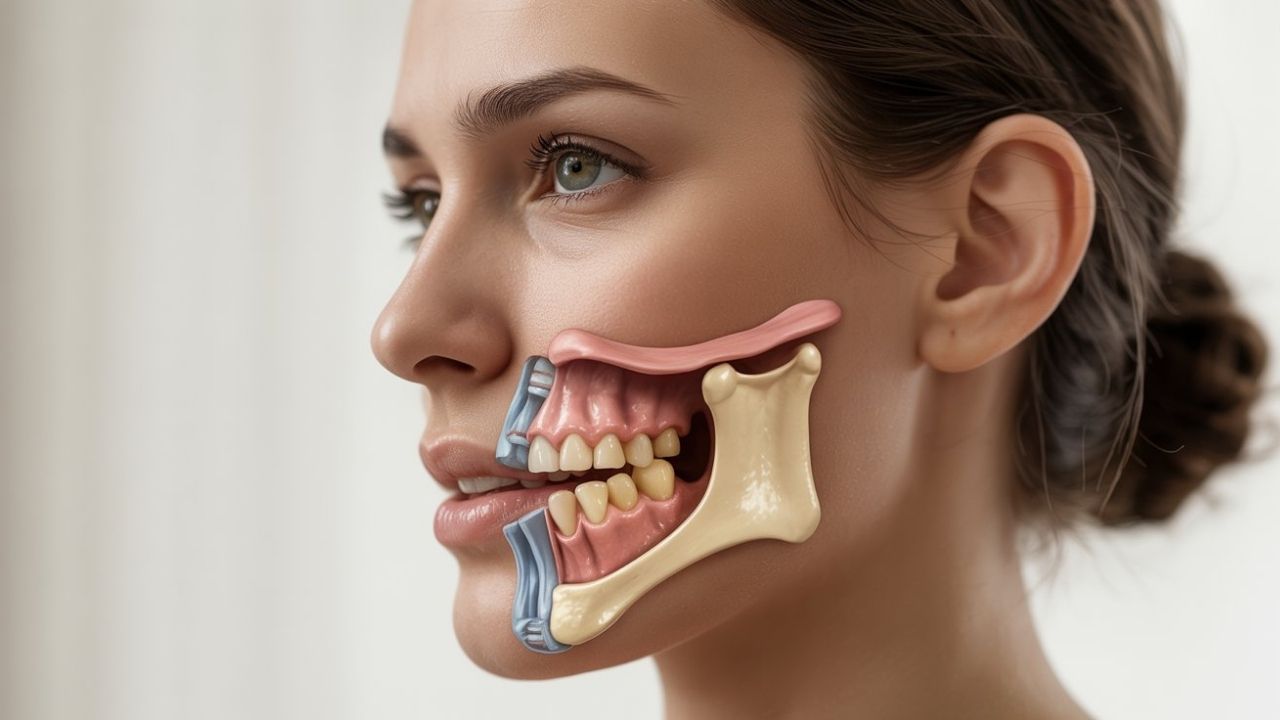
Titanium facial implants are precision-engineered medical devices used to enhance or reconstruct facial skeletal contours. Unlike soft fillers or temporary aesthetic solutions, titanium implants provide permanent structural support by integrating directly with bone. They are commonly used for:
  • Chin augmentation
  • Jawline definition
  • Cheekbone enhancement
  • Midface structural reconstruction
  • Post-traumatic or congenital facial correction
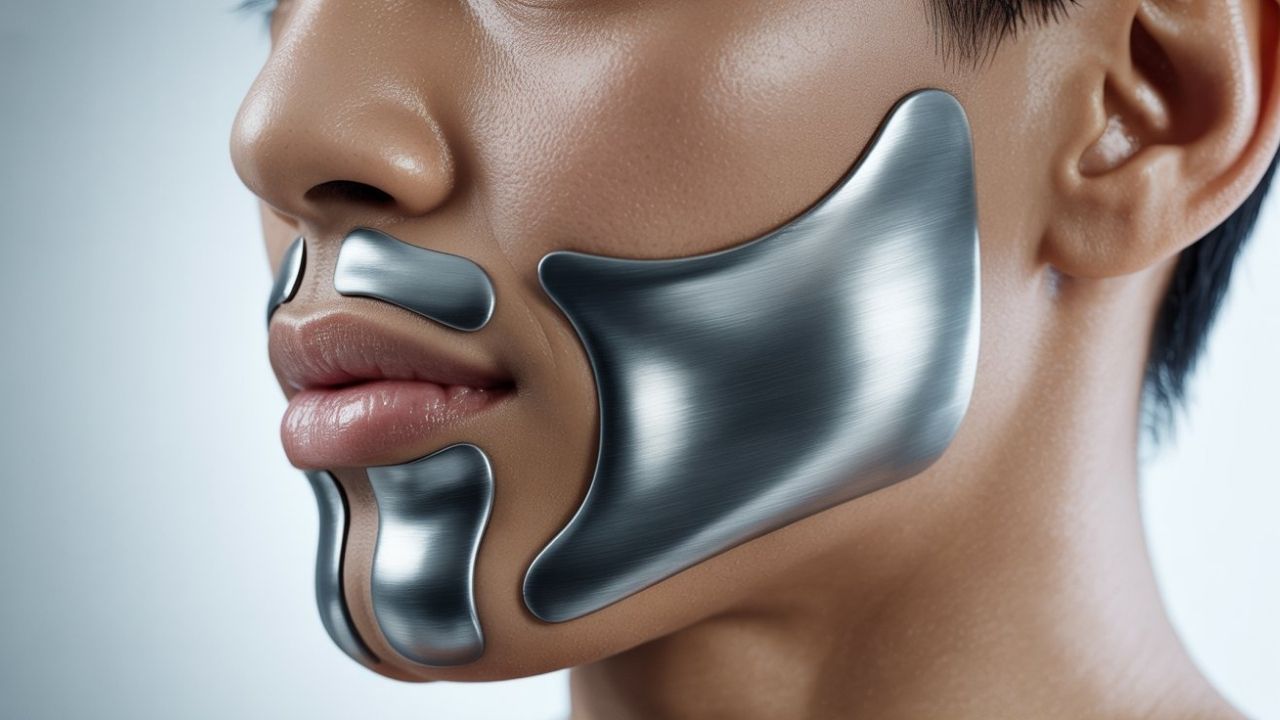
Titanium has long been used in orthopaedics and craniofacial surgery due to its exceptional compatibility with human tissue and long-term stability.
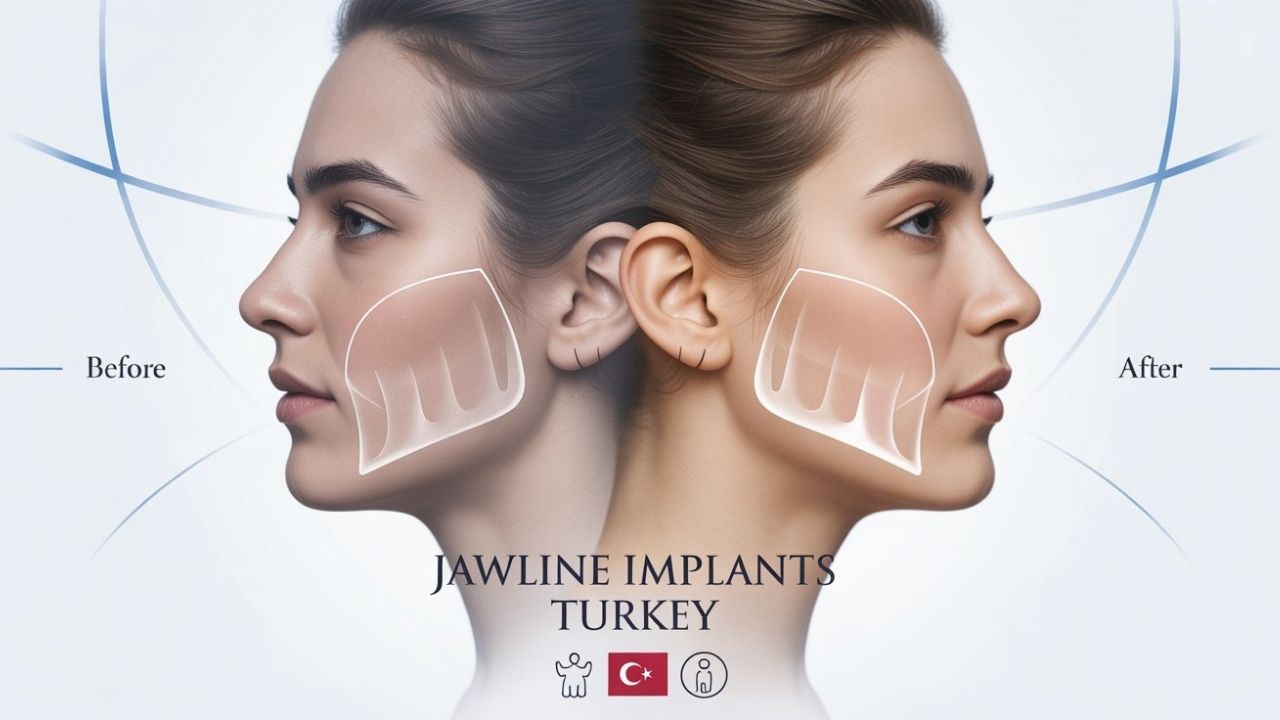
Titanium Facial Implants Before and After Surgery

Why Titanium Is Preferred in Facial Implant Surgery

Titanium stands out among implant materials because it combines strength, biocompatibility, and longevity. Key advantages include:
Key Advantage Explanation Clinical Benefit
Excellent Biocompatibility Titanium is highly compatible with human tissue and is rarely rejected by the immune system. Lower risk of inflammation, allergic reaction, or implant failure.
Osseointegration Titanium bonds directly with surrounding bone tissue at a microscopic level. Long-term stability and reduced risk of implant movement or displacement.
High Strength-to-Weight Ratio Provides exceptional mechanical strength while remaining lightweight. Strong facial support without unnecessary bulk or unnatural appearance.
Corrosion Resistance Titanium resists corrosion from body fluids and environmental exposure. Safe for permanent implantation with long-lasting performance.
Precision Customization Titanium can be precisely shaped using 3D imaging and CAD/CAM technology. Patient-specific implants with improved symmetry and predictable outcomes.

Titanium Facial Implants Before and After Surgery: What Patients Should Know

The “before” stage of titanium facial implants is centred on assessment, planning, and expectation management. Facial anatomy is highly individual, and successful outcomes depend on precise planning rather than one-size-fits-all solutions.

Initial Consultation and Facial Analysis

Before surgery, patients undergo a detailed consultation that includes:
  • Facial symmetry and proportion analysis
  • Evaluation of bone structure and soft tissue
  • Discussion of aesthetic and functional goals
  • Review of medical history and lifestyle factors
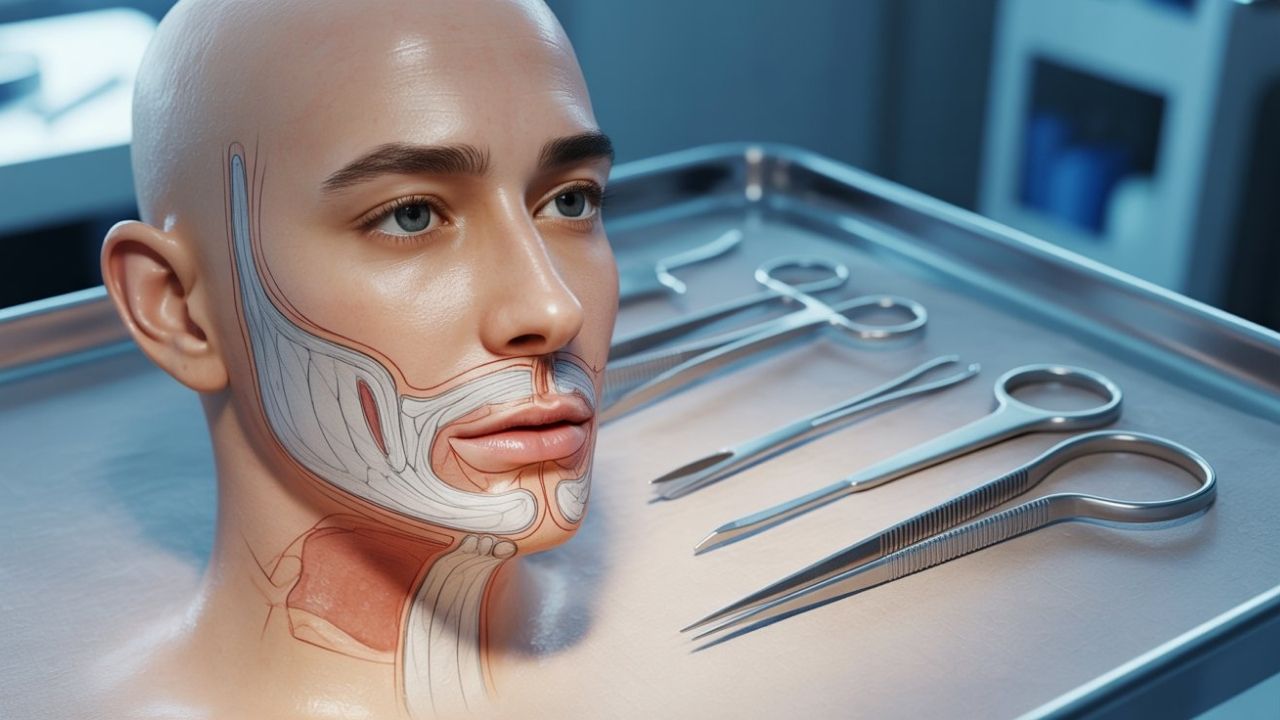
Advanced imaging and digital planning tools may be used to visualise potential before and after outcomes, allowing patients to understand how titanium implants may enhance facial harmony.
Common Concerns Before Titanium Facial Implant Surgery

Common Concerns Before Titanium Facial Implant Surgery

Patients often express concerns before surgery, including:
  • Will the results look natural?
  • How noticeable will the implants be?
  • Is the procedure reversible?
  • What is the recovery time?
When properly planned and placed, titanium facial implants are not visible or detectable externally and are designed to complement existing facial features rather than overpower them.

The Surgical Process Explained

Titanium facial implant surgery is performed under sterile surgical conditions, typically using general anaesthesia. The approach and duration vary depending on the implant location and complexity of the case.

Key Steps of the Procedure

  1. Carefully planned incision placement (often inside the mouth or hidden natural creases)
  2. Precise positioning of the titanium implant on the bone
  3. Secure fixation to prevent movement
  4. Layered closure to promote optimal healing
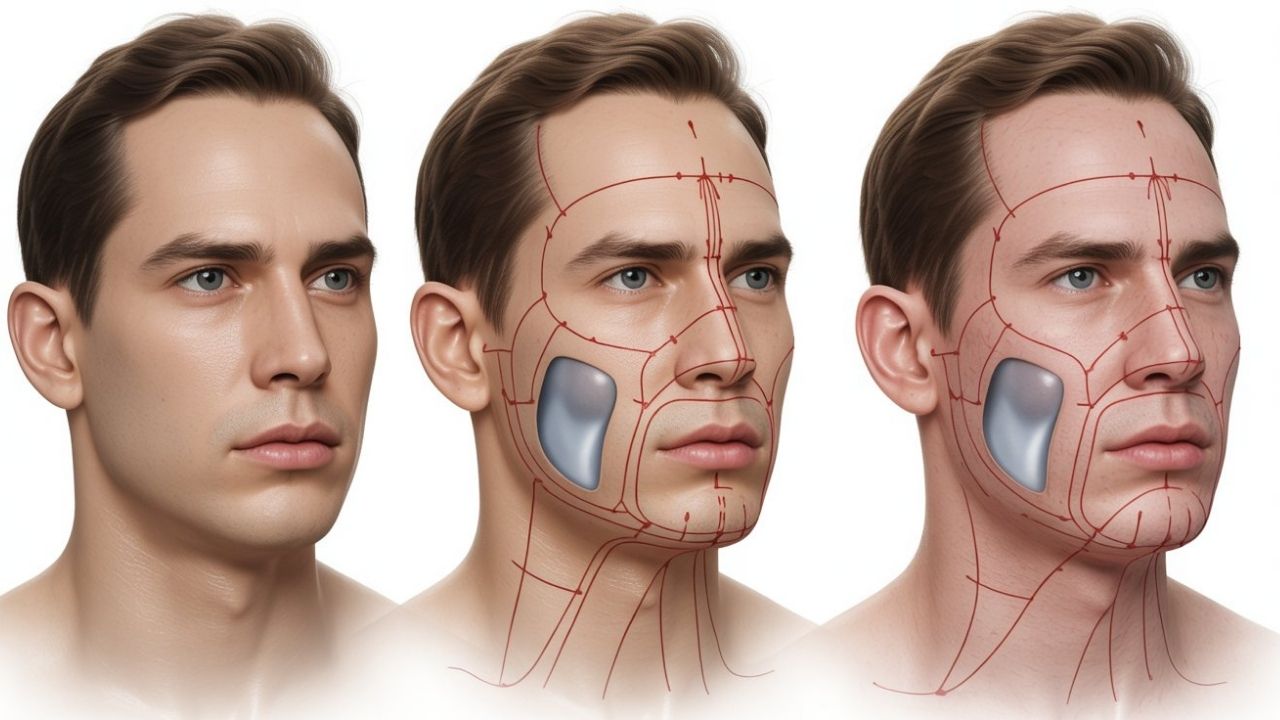
The surgical technique prioritises both aesthetic outcome and long-term implant stability.
Titanium Facial Implants Before and After Surgery

Titanium Facial Implants After Surgery: Immediate Changes

The “after” phase begins immediately following surgery, though early results are influenced by swelling and tissue response.

The First Week After Surgery

During the initial post-operative period, patients can expect:
  • Swelling and mild bruising around the treated area
  • Temporary tightness or pressure sensation
  • Restricted facial movements depending on implant location
These effects are temporary and part of the normal healing process.

Weeks Two to Four: Early Refinement

As swelling gradually decreases, the improved facial contours become more visible. At this stage:
  • Facial definition starts to emerge
  • Most patients return to daily activities
  • Discomfort continues to diminish
Although changes are noticeable, the final results are still developing.
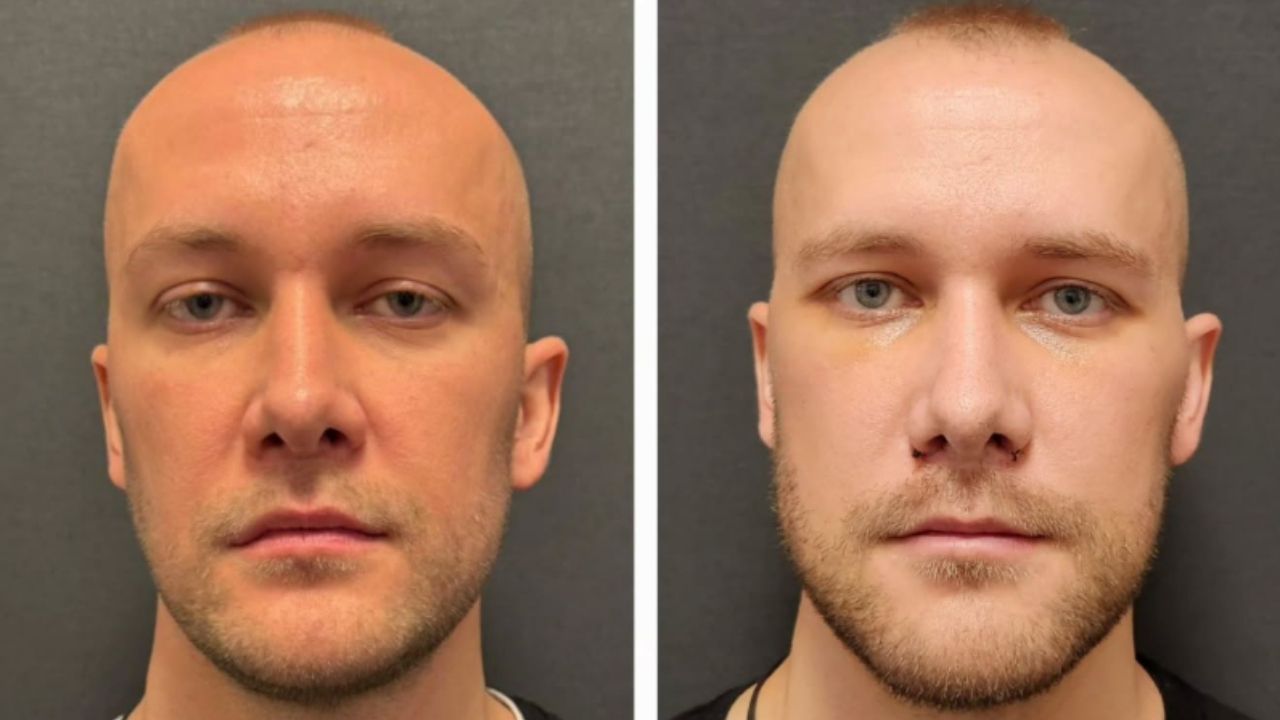
Titanium Facial Implants Before and After Surgery

Long-Term Titanium Facial Implants Before and After Results

True “after” results are typically evaluated several months post-surgery, once full healing and implant integration have occurred.

Final Aesthetic Outcomes

Long-term benefits commonly include:
  • Improved facial symmetry and proportion
  • Enhanced jawline and chin definition
  • Stronger cheekbone structure
  • Balanced facial profile from multiple angles
Because titanium implants integrate with bone, results remain stable for many years, unlike temporary fillers that require repeat treatments.

Psychological and Social Impact

Beyond physical changes, many patients report improvements in self-confidence, social comfort, and overall satisfaction with their appearance. A well-balanced face often contributes to a more harmonious and confident presence.

Recovery and Aftercare for Optimal Results (Titanium facial implants before and after )

Proper aftercare plays a crucial role in achieving the best possible before and after outcomes.

Essential Aftercare Guidelines

  • Avoid strenuous physical activity during early healing
  • Sleep with the head elevated to reduce swelling
  • Maintain excellent oral hygiene if incisions are intraoral
  • Follow all post-operative instructions and attend follow-ups
Adhering to these guidelines supports faster recovery and long-term implant success.

Who Is an Ideal Candidate for Titanium Facial Implants?

An ideal candidate for titanium facial implants is someone seeking a long-term, structural improvement to facial balance and definition rather than temporary volume enhancement. These individuals typically have well-defined aesthetic or functional concerns related to facial bone structure, such as a recessed chin, weak jawline, asymmetrical contours, or loss of skeletal projection due to trauma or congenital conditions. Candidates should be in good overall health, have completed facial growth, and hold realistic expectations about surgical outcomes. Titanium facial implants are especially suited for patients who value durability, anatomical precision, and natural-looking results that integrate seamlessly with their existing facial features. Titanium facial implants are suitable for individuals who:
  • Are in good general health
  • Have completed facial skeletal growth
  • Seek permanent structural enhancement
  • Have realistic aesthetic expectations
They are frequently chosen by patients who want more defined facial contours than non-surgical options can provide.
Frequently Asked Questions About Titanium Facial Implants Before and After

Frequently Asked Questions About Titanium Facial Implants Before and After

Patients researching titanium facial implants often have many questions about what changes to expect before and after surgery. From the visibility of results to recovery timelines and long-term safety, understanding the full process is essential for making an informed decision. This frequently asked questions section addresses the most common concerns, helping patients gain clarity about realistic outcomes, healing phases, and the lasting impact of titanium facial implants on facial structure and appearance.

What changes can be expected before and after titanium facial implants?

Before surgery, patients may experience facial asymmetry, volume loss, or structural deficiencies. After titanium facial implant placement, improved facial balance, enhanced contour, and stronger skeletal definition are typically observed once swelling subsides.

How long does it take to see final results after titanium facial implants?

Initial changes are visible immediately after surgery, but swelling can mask the final outcome. Most patients see their true before-and-after results within three to six months as healing completes.

Do titanium facial implants look natural after healing?

Yes, when properly designed and placed, titanium facial implants integrate with the underlying bone and produce natural-looking contours. The goal is anatomical harmony rather than an artificial or exaggerated appearance.

How does swelling affect before-and-after comparisons?

Postoperative swelling is normal and can temporarily distort facial shape in early before-and-after photos. Accurate comparisons should be made only after the swelling phase has fully resolved.

Are before-and-after results permanent with titanium facial implants?

Titanium implants are designed to be permanent and highly stable. While facial soft tissues may change with aging, the implant itself maintains its shape and position long term.

Can titanium facial implants correct facial asymmetry?

Yes, titanium facial implants are particularly effective for correcting structural asymmetries caused by trauma, congenital conditions, or previous surgeries. Customized implants allow precise correction on each side of the face.

What facial areas show the most visible before-and-after improvement?

The cheekbones, zygomatic arch, jawline, chin, and orbital regions often show the most noticeable improvement. These areas benefit from the structural support and definition provided by titanium implants.

How do titanium facial implants compare to fillers in before-and-after results?

Titanium implants provide structural, bone-level enhancement, while fillers address soft tissue volume temporarily. Before-and-after results with implants are more defined, stable, and long-lasting compared to injectable treatments.

Will facial expressions change after titanium facial implants?

When implants are placed with respect to muscle and nerve anatomy, facial expressions remain natural. Proper surgical planning ensures that movement and function are preserved.

Are before-and-after results different in reconstructive versus cosmetic cases?

Yes, reconstructive cases focus on restoring lost anatomy and function, while cosmetic cases emphasize contour and symmetry enhancement. Both approaches rely on the same principles of anatomical precision.

How soon can before-and-after photos be safely taken?

Early photos may be taken for medical documentation, but meaningful aesthetic comparisons are usually done after at least three months. This timing allows swelling and tissue adaptation to stabilize.

Do titanium facial implants shift over time?

No, titanium implants are rigidly fixed to the bone and are not affected by gravity or facial movement. Proper fixation ensures long-term positional stability.

Can titanium facial implants be seen or felt after surgery?

Once healing is complete, implants are typically neither visible nor easily palpable. They are designed to follow natural bone contours and remain discreet beneath the soft tissues.

How does 3D planning influence before-and-after outcomes?

3D imaging and virtual surgical planning allow surgeons to simulate before-and-after results with high accuracy. This technology improves symmetry, predictability, and patient satisfaction.

Are before-and-after results affected by aging?

While aging affects skin elasticity and soft tissue volume, the titanium implant itself remains unchanged. The structural support provided by the implant can help maintain facial contours over time.

What factors influence the success of before-and-after results?

Surgical expertise, implant design, precise anatomical placement, and proper healing all influence outcomes. Patient health and adherence to postoperative care also play a significant role.

When should patients discuss expected before-and-after outcomes with their surgeon?

This discussion should occur during the initial consultation using imaging and planning tools. Clear communication helps align expectations with achievable, anatomically sound results.
Related Posts