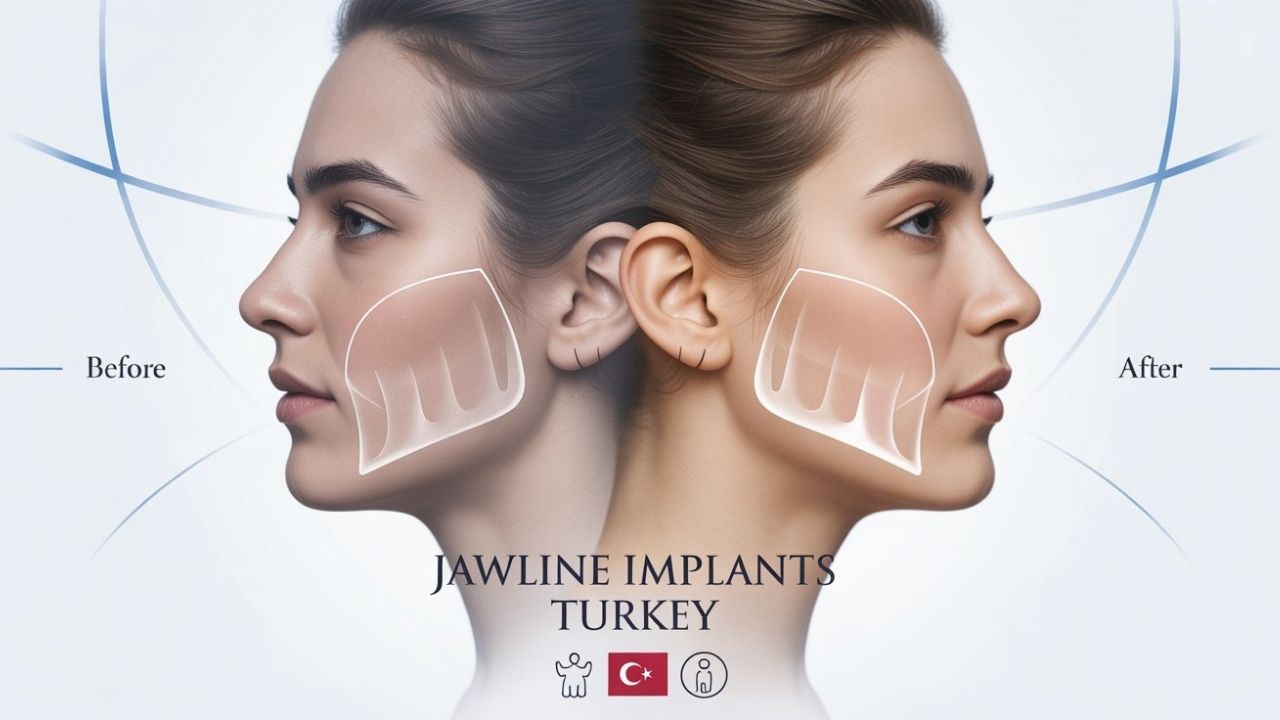
Jaw asymmetry is when the two halves of the lower face region develop and are positioned unevenly. There are modern treatment methods available to correct this condition. Here are the details!
What Is Jaw Asymmetry?
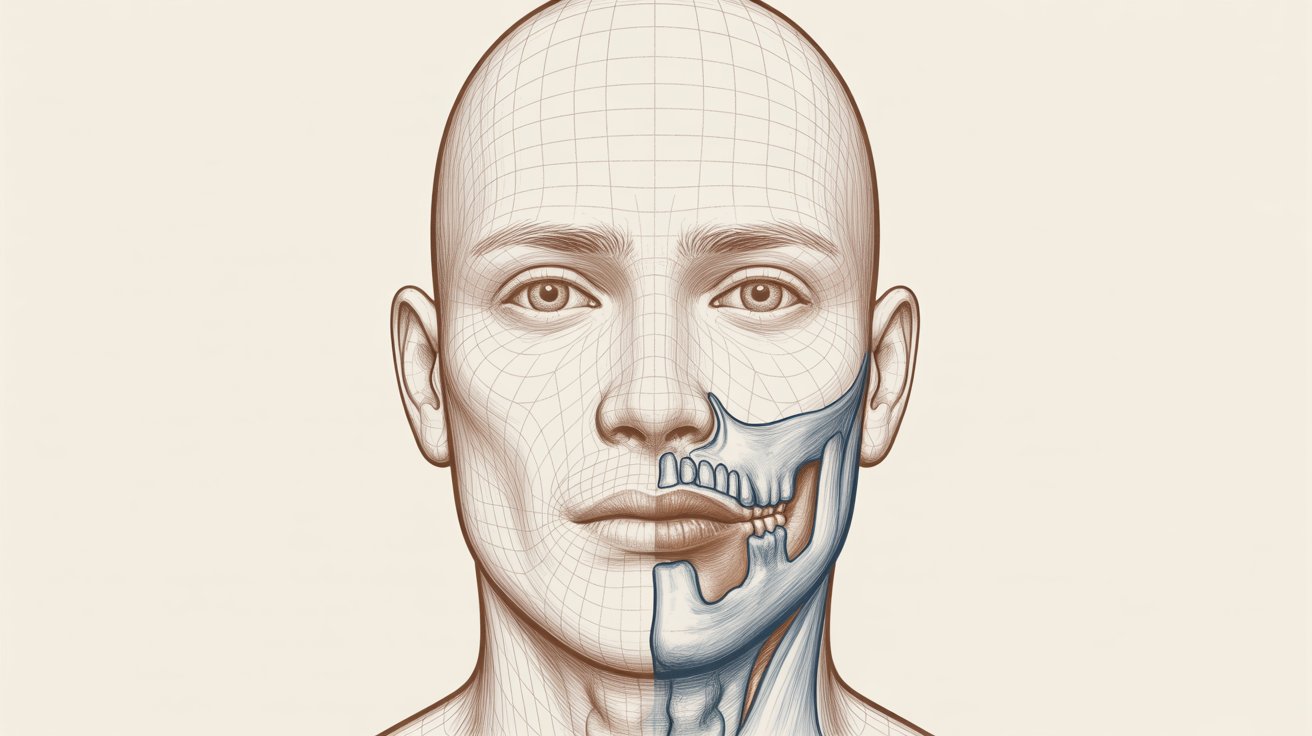
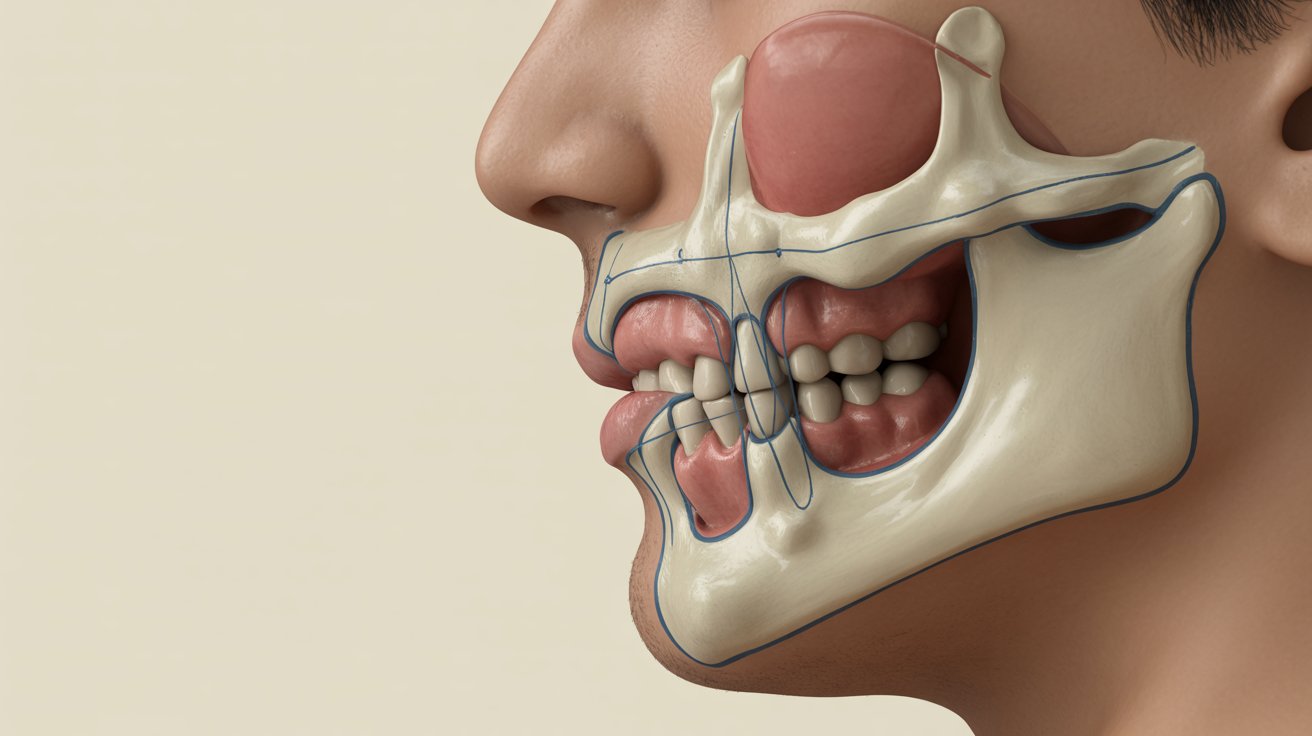
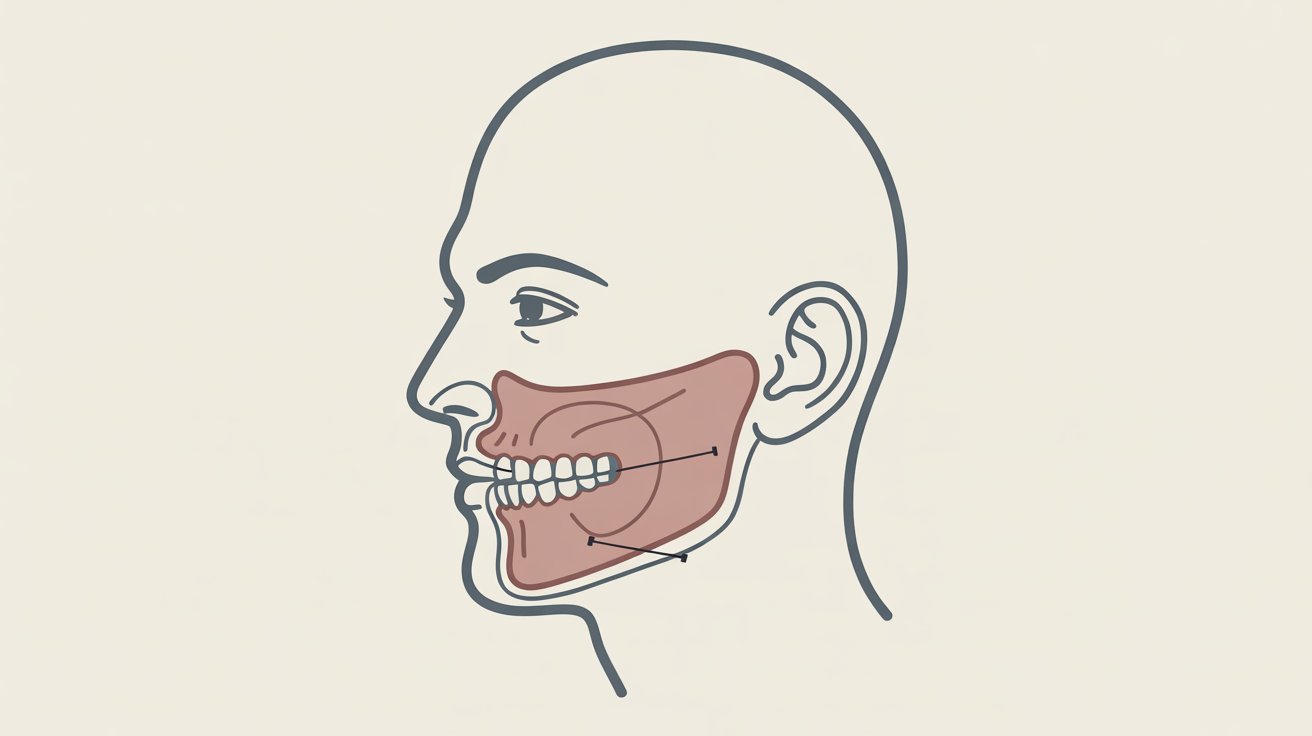
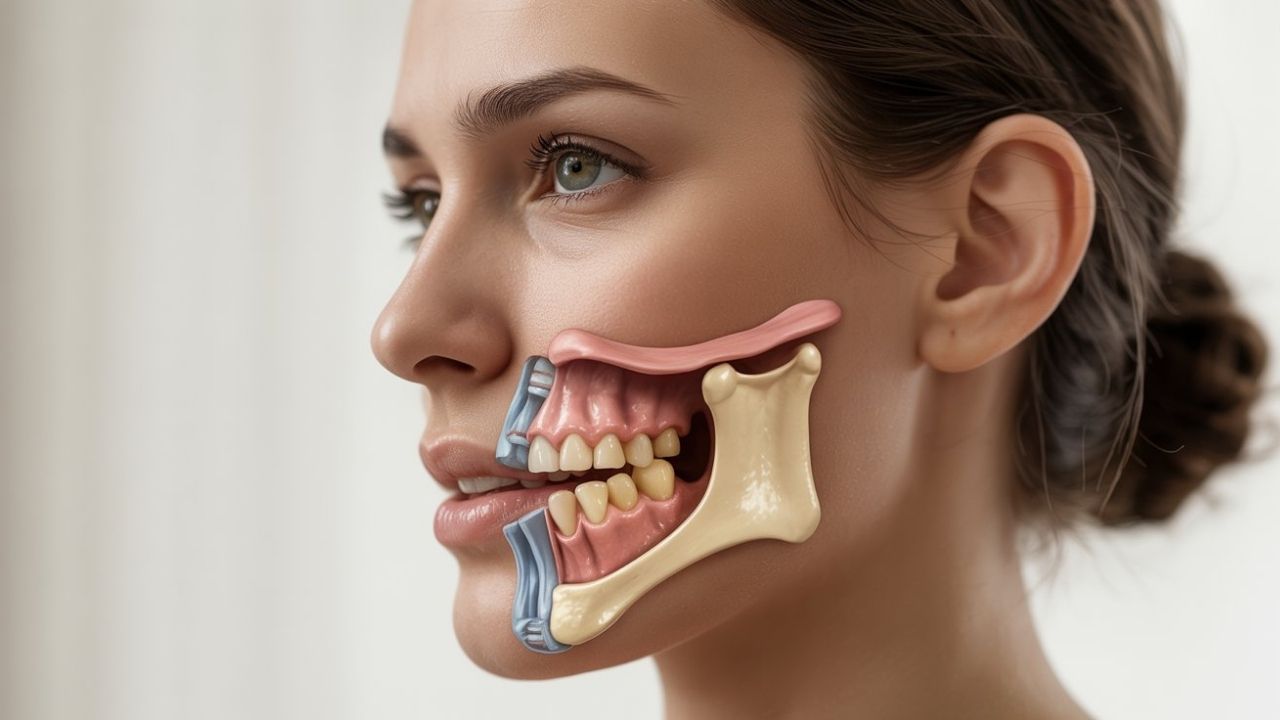
Jaw asymmetry generally refers to situations in which one side of the jawline is smaller or larger than the other, the chin tip is not symmetrical, or the position of the jaw is different. This condition can occur due to various reasons and may also be present from birth.
1 – Lower Jaw Asymmetry
When the upper jaw is not wide enough in individuals, the lower jaw does not close symmetrically. Over time, this causes the functional shift to become permanent. After the shift occurs, facial asymmetry develops. If this condition is not noticed at an early age, orthodontic treatment alone may not be sufficient in later years. In other words, surgical intervention such as facial implants may be necessary for lower jaw asymmetry.
2 – Upper Jaw Asymmetry
Today, asymmetric upper jaw problems are quite common. The causes of upper jaw asymmetry are similar to those of lower jaw asymmetry. Genetic factors, prenatal conditions, postnatal complications, and traumatic accidents can all lead to this condition.
3 – Right and Left Jaw Asymmetry
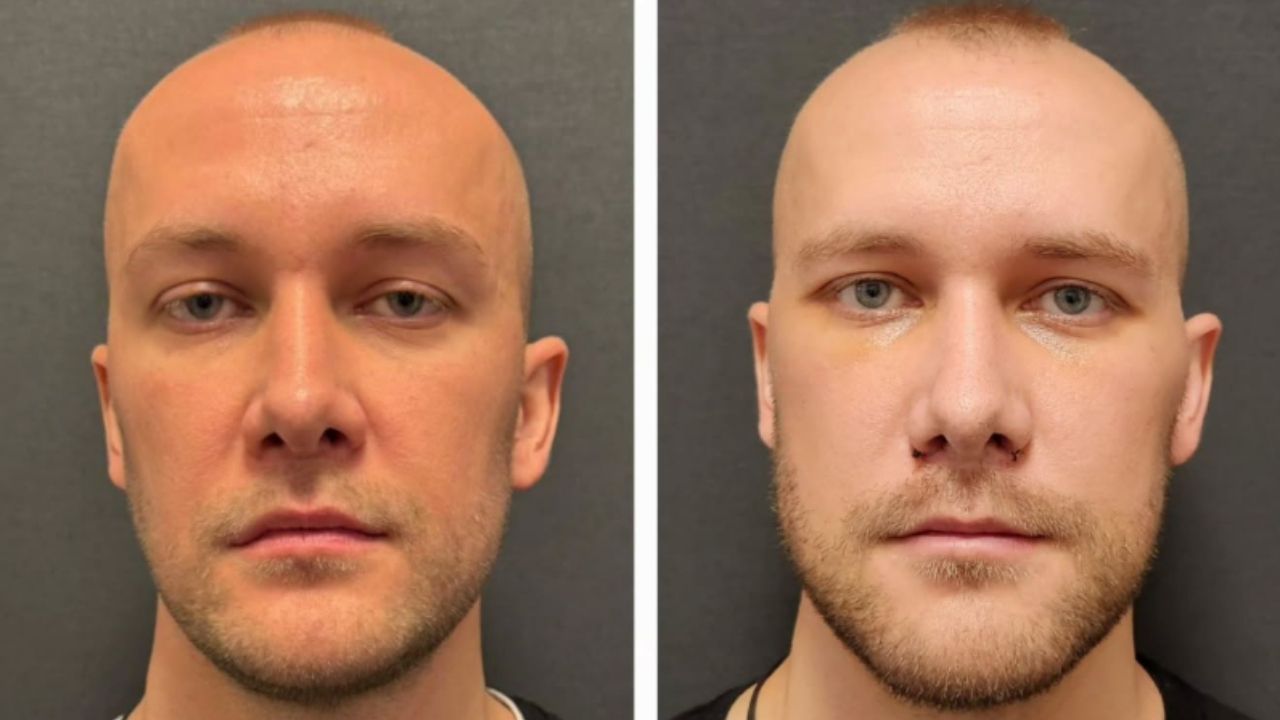
A noticeable difference between the right and left sides of the face is defined as facial asymmetry. This condition may become visible while talking, eating, laughing, or making facial expressions. However, in some patients, facial asymmetry may be noticeable even when the face is at rest.
What Is Jaw Asymmetry
Causes of Jaw Asymmetry
Jaw asymmetry can be congenital or acquired. The causes of this condition can be explained in detail as follows:
Causes of Jaw Asymmetry
Explanation
Genetic factors
In some people, asymmetry of the lower jaw is genetically inherited. Family genetics are one of the most important causes of this condition.
Dental problems
Irregular tooth alignment and jaw joint problems are among the causes of asymmetry.
Growth-period problems
Imbalance in the lower part of the face may develop due to unequal development of the jawbones during the growth period.
Trauma and accidents
Injuries and fractures resulting from accidents and trauma can disrupt jaw symmetry.
Muscle problems
Irregular and imbalanced functioning of the facial muscles can also change the facial shape. Incorrect chewing habits are also among the causes of jaw asymmetry.
Lip and mouth anomalies
Cleft palate, cleft lip, or congenital oral and lip anomalies may hinder proper jaw development.
How Is Jaw and Facial Asymmetry Corrected?
Facial asymmetry caused by jaw and dental misalignment is corrected through orthodontic treatments. Braces, jaw implants, or clear aligners are used to correct structural jaw problems and align the teeth. These treatments are particularly effective solutions for jaw asymmetry.
Can Jaw Asymmetry Be Corrected Without Surgery?
In addition to orthognathic surgery methods, Botox treatment is a non-surgical option. Since no surgical procedure is required, it is comfortable and minimally demanding. In this treatment, soft-tissue movements and facial expressions are planned to create more harmonious and balanced facial movements.
1 – Jaw Asymmetry and Face Yoga
Face yoga is an alternative treatment method preferred for facial asymmetry caused by habits such as always sleeping on the same side or chewing on one side. This method helps relax the muscles in the spasm-affected area of the face, creating a more balanced look. Facial muscles also begin to function in a more balanced way. This method should not be combined with Botox.
2 – Jaw Asymmetry Exercises
Jaw asymmetry seen in many people may improve through regularly performed exercises. There are specific exercises applied for this condition, which help restore healthy jaw structure. Performing these exercises in 10 repetitions is especially beneficial.
Can Jaw Asymmetry Be Corrected With Braces
Can Jaw Asymmetry Be Corrected With Braces?
Braces used in orthodontic treatment help teeth and jawbones move into proper alignment. Therefore, this treatment method contributes to correcting jaw asymmetry.
Jaw Asymmetry 2026
The treatment of asymmetry varies depending on the cause and severity of the condition. Therefore, individuals should be examined by a specialist in jaw surgery to receive appropriate treatment. Prof. Dr. Celal Çandırlı offers professional care and applies the most effective treatment options. Treatment methods include:
Orthopedic Devices
Orthopedic appliances may be used to help guide and support proper jaw development and alignment. These devices are often preferred in growing individuals to help correct asymmetry at an early stage.
Surgical Interventions
Surgical procedures such as jaw surgery may be considered for permanent correction of jaw irregularities. Operations such as cleft-lip repair, jaw prostheses, and orthognathic surgery are properly applied to suitable patients by experienced specialists.
Dermal Fillers and Botox Injections
Dermal fillers or Botox injections may be used to correct lower-face contour. These are temporary treatments designed to improve the appearance of jaw asymmetry. Since the effects are temporary, the procedure must be repeated periodically to maintain results.
Orthodontic Correction and Braces
Orthodontic treatments such as braces are applied when jaw joint problems or irregular dental alignment contribute to asymmetry. These treatments help position the teeth and jaw more harmoniously.
The treatment method is determined based on the cause of asymmetry, its severity, and the patient’s preferences. Therefore, individuals experiencing jaw irregularity should consult a specialist doctor for professional advice. You can contact Prof. Dr. Celal Çandırlı Dental Clinic for detailed information about scoliosis-related facial asymmetry and treatment options.
Post-Treatment Care for Jaw Asymmetry
Patients must pay attention to several factors following jaw asymmetry treatment. Here are the key points:
Soft foods should be consumed after the procedure. Hard and difficult-to-chew foods should be avoided.
Rest is very important during recovery after surgery. Patients should follow the surgeon’s recommendations regarding rest.
Prescribed medications should be used regularly.
Cold compresses may be applied to reduce swelling in the surgical area.
Excessive physical activity should be avoided during the healing period.
Alcohol and smoking should be avoided as they negatively affect healing.
Emotional and psychological support may be helpful after surgery.
Follow-up appointments must be attended regularly to monitor recovery and detect possible complications early.
Which Doctor Should You See for Jaw Asymmetry?
In some individuals, jaw deformity is clearly noticeable. The presence of visible symptoms is important for diagnosis. For a definite diagnosis of jaw asymmetry, a specialist in oral, dental, and maxillofacial surgery should be consulted.
Frequently Asked Questions
There are many common questions regarding jaw asymmetry. Here are the most frequently asked ones:
1 – What Is the Recovery Process Like After Asymmetry Surgery?
The first day after surgery is usually the most difficult, as pain and swelling are common. It is essential to follow the surgeon’s instructions carefully. Medications should be taken regularly, and pressure should not be applied to the jaw area. To make this period more comfortable, soft foods should be consumed and proper oral hygiene maintained.
Swelling and bruising are typically most visible during the first weeks. A bandage or soft splint may be used to support the jaw. Hot and cold foods should be avoided during this time.
2 – What Should the Diet Be Like After Jaw Asymmetry Surgery?
Food choices should be carefully considered after surgery. During the first weeks, pureed and liquid foods should be consumed. Using a straw may also be helpful. Doctor-recommended nutritional guidelines should be followed to ensure sufficient intake.
3 – How Should Oral Care Be Done After Jaw Surgery?
Oral care plays a critical role in the healing process. The dentist’s recommended products should be used, including mouthwash. Teeth should be brushed gently. Hygiene rules should be followed carefully to prevent oral infections.
4 – How Is the Cost of Jaw Asymmetry Surgery Determined?
The cost of facial asymmetry surgery varies depending on the procedure performed, patient expectations, and skin condition. You may contact Celal Çandırlı Dental Clinic for detailed pricing information.
5 – What Problems Does Jaw Asymmetry Cause?
Jaw asymmetry may lead to problems such as pain, aesthetic concerns, sleep apnea, speech and chewing difficulties, increased dental problems, and temporomandibular joint disorders.