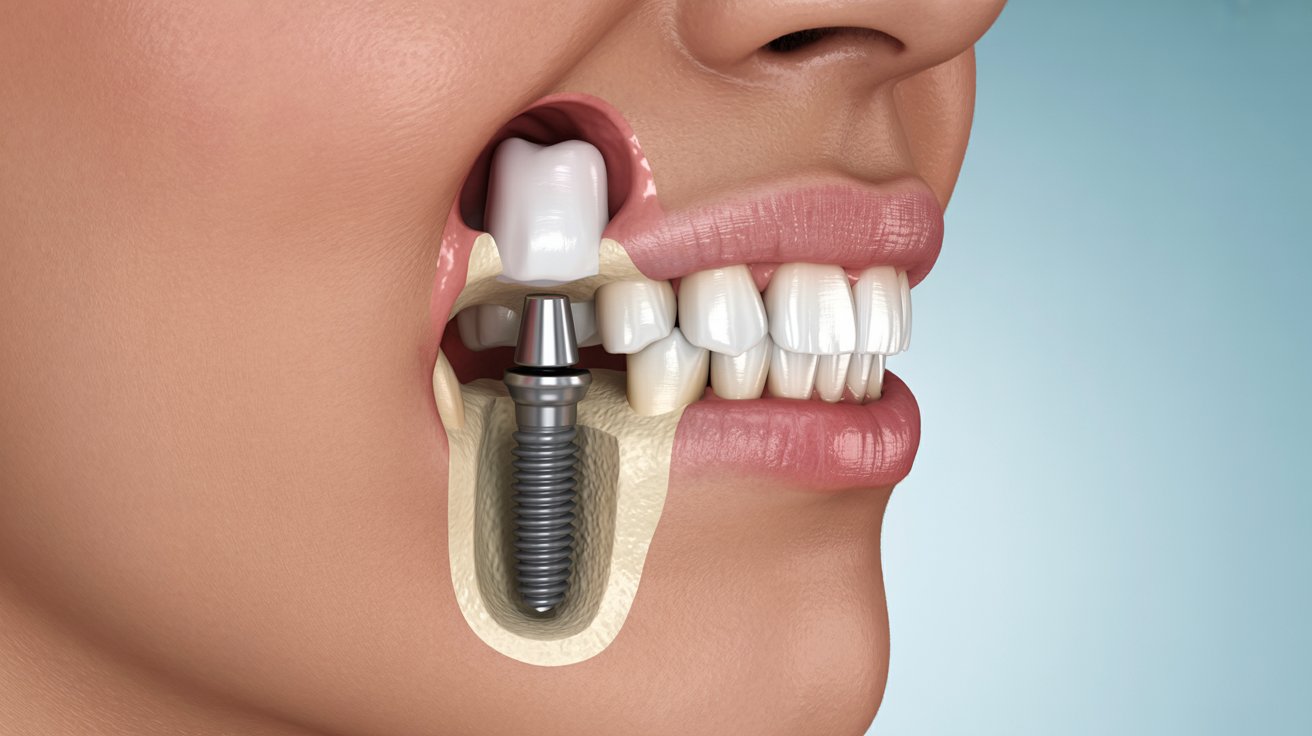
7 Important Questions Before Zygomatic Implant Treatment
Zygomatic implant treatment offers a specialized option for patients experiencing advanced upper jaw bone loss. This approach uses the cheekbone for support instead of relying solely on the jawbone. Understanding key considerations helps patients prepare for informed discussions with their healthcare providers.The following sections address common zygomatic implant questions and outline general treatment considerations. Each patient’s situation varies, so individual evaluation remains essential.
What Is a Zygomatic Implant?
A zygomatic implant is a longer dental implant anchored in the cheekbone rather than the upper jaw. It may be considered when traditional implants are not feasible due to insufficient bone volume. The method can provide an alternative foundation for prosthetic teeth.
Who Might Benefit From Zygomatic Implant Treatment?
Patients with severe maxillary bone resorption, failed previous grafts, or certain anatomical conditions may be evaluated for this approach. General health status, sinus health, and bone quality also factor into suitability assessments.
What Pre-Treatment Evaluations Are Typically Required?
Comprehensive clinical examination and three-dimensional imaging usually form the basis of assessment. These steps help determine bone availability and plan implant positioning. Medical history review is also part of the process.
| Evaluation Factor | General Description |
|---|
| Imaging | CBCT scans assess bone structure and sinus anatomy. |
| Medical History | Systemic conditions and medications are reviewed. |
| Oral Examination | Soft tissue health and opposing dentition are checked. |
| Patient Checklist | Smoking status and oral hygiene habits are noted. |
What Are the Main Treatment Considerations?
Pre-treatment advice often includes discussing potential sinus involvement, healing timelines, and prosthetic options. Patients should understand that outcomes depend on individual anatomy and healing response.
How Does Recovery Typically Progress?
Initial healing focuses on soft tissue closure and implant stability. Follow-up visits monitor integration. Full prosthetic loading usually occurs after several months, though timelines vary.
Are There Alternatives to Consider?
Bone grafting combined with conventional implants or other reconstructive techniques may be discussed depending on the case. A thorough evaluation helps compare options.
Sık Sorulan Sorular
What preparation is needed before zygomatic implant surgery?
Preparation usually involves imaging, medical clearance, and discussion of expectations. Specific instructions depend on individual findings.
Can zygomatic implants be placed in one stage?
Some cases allow immediate provisional restoration, while others require staged procedures. Suitability is determined after detailed planning.
How long does the evaluation process take?
Evaluation may span several appointments including scans and consultations. The exact duration varies by patient circumstances.
Is zygomatic implant treatment suitable for everyone?
This method is not appropriate for all patients. Factors such as overall health, sinus condition, and bone quality influence decisions.
What lifestyle factors affect treatment planning?
Smoking, oral hygiene, and certain medical conditions can influence healing and may require management prior to proceeding.
Why is a personal consultation important?
Only a face-to-face assessment with imaging can clarify whether zygomatic implants align with a patient’s specific needs.
Sonuç
Zygomatic implant treatment represents one option for addressing advanced upper jaw bone loss. Careful review of zygomatic implant questions and treatment considerations supports informed decision-making. Personal clinical evaluation remains the only reliable way to determine appropriateness.
Expert Information
This content has been prepared for informational purposes in the field of oral, dental and maxillofacial surgery. Prof. Dr. Celal Çandırlı’s over 20 years of professional experience and training at England NHS Poole Hospital and Newcastle Freeman Hospital contribute to addressing the topic within a scientific and clinical framework.
This content is for general informational purposes only and does not replace professional medical advice. Consult a qualified healthcare provider for personalized assessment regarding oral and maxillofacial health concerns.