Zygomatic Implant Procedure: General Patient Information Guide
The zygomatic implant procedure offers an option for patients with significant upper jaw bone loss. This approach uses the cheekbone for support instead of the standard jawbone placement. The following sections provide a general overview of the process, considerations, and related steps.Readers often seek clear information on how this method differs from conventional implants. Understanding the basics helps individuals discuss options with their own healthcare provider. Personal evaluation remains essential because each case varies.
What Is the Zygomatic Implant Procedure?
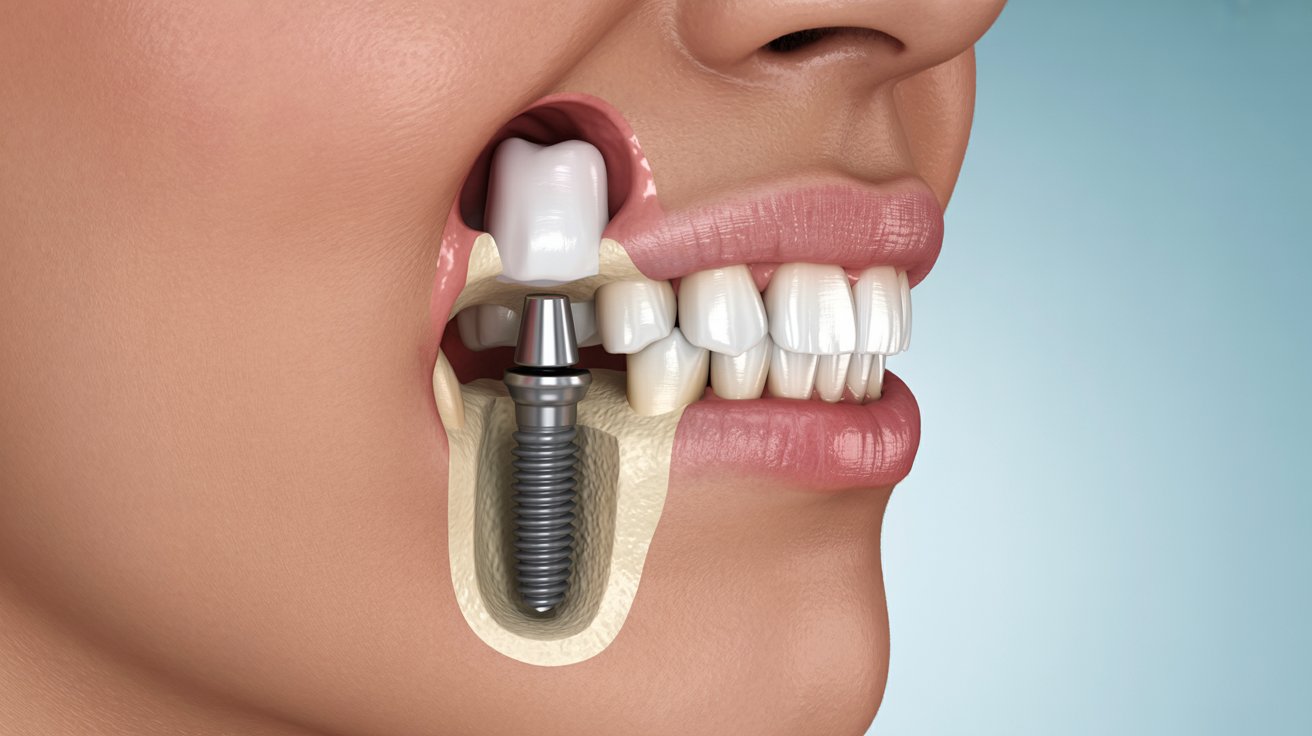
The zygomatic implant procedure involves placing longer implants that anchor into the zygomatic bone. This technique may be considered when the upper jaw lacks sufficient bone volume for regular implants. It can serve as an alternative in specific situations involving advanced bone resorption.Implant information typically highlights the use of the cheekbone area for stability. Treatment steps often include detailed imaging and planning before any surgical intervention. Outcomes depend on individual anatomy and overall health status.
Surgery Overview and Preparation
Before the zygomatic implant procedure, a thorough clinical examination and three-dimensional scans are usually performed. These assessments help determine whether the cheekbone structure can provide adequate support. General health factors such as medical history and medications are also reviewed.
- Imaging studies to evaluate bone quality
- Discussion of possible anesthesia options
- Review of lifestyle factors that may affect healing
| Stage | General Description |
|---|
| Evaluation | Clinical examination and imaging may be conducted to assess suitability. |
| Planning | Treatment steps are outlined based on individual findings. |
| Procedure | Surgery overview includes implant placement under appropriate anesthesia. |
| Recovery | Healing timelines vary and require follow-up visits. |
Treatment Steps During the Procedure
During the zygomatic implant procedure, access is created to the cheekbone region. Implants are positioned to achieve stability while avoiding vital structures. The surgery overview usually involves collaboration between surgical and restorative teams.Patient guide materials often note that the process may combine with other treatments such as bone grafting in some cases. Exact details emerge only after personal assessment. Recovery protocols focus on wound care and gradual return to normal function.
Who May Be Considered for This Approach?
The zygomatic implant procedure may suit patients with severe upper jaw bone deficiency. It can also be evaluated for those who have experienced previous implant failures due to insufficient bone. Not every individual qualifies, and suitability depends on multiple clinical factors.Contraindications may include certain systemic conditions or active infections. A qualified specialist conducts the final determination through examination and imaging.
Possible Considerations After Treatment
Following the zygomatic implant procedure, swelling and discomfort are common in the initial days. Patients receive instructions on diet, oral hygiene, and activity restrictions. Regular follow-up appointments help monitor integration and healing progress.Long-term success relies on maintenance and professional care. Any unusual symptoms should prompt contact with the treating clinician.
Frequently Asked Questions
Is the zygomatic implant procedure suitable for everyone?
This method is not appropriate for all patients. Evaluation of bone structure, general health, and specific anatomical conditions determines potential candidacy.
How long does recovery typically take?
Healing timelines vary. Most individuals require several months for full integration, though initial recovery occurs within weeks.
What imaging is used in planning?
Three-dimensional scans such as cone-beam computed tomography often assist in mapping the surgical area and planning implant positions.
Can zygomatic implants be combined with other treatments?
In certain cases, the procedure may occur alongside conventional implants or grafting. The treatment plan reflects individual needs identified during assessment.
Are there risks associated with the surgery?
As with any surgical intervention, risks such as infection, nerve involvement, or sinus complications exist. These are discussed during the consultation process.
Why is a personal consultation necessary?
Only direct examination and imaging can confirm whether the zygomatic implant procedure aligns with a patient’s specific situation.
Conclusion
The zygomatic implant procedure provides one possible route for addressing advanced upper jaw bone loss. General information helps patients prepare informed questions for their healthcare providers. Ultimately, decisions about treatment require individualized professional evaluation.
Expert Information
This content has been prepared for informational purposes in the field of oral, dental and maxillofacial surgery. Prof. Dr. Celal Çandırlı’s over 20 years of professional experience, training at England NHS Poole Hospital and Newcastle Freeman Hospital, contributes to addressing the topic within a scientific and clinical framework.
This content is for general informational purposes only and does not replace professional medical advice, diagnosis, or treatment. Individuals with oral, dental, or maxillofacial concerns should consult a qualified healthcare professional.