How Upper Jaw Bone Loss Affects Traditional Implant Options
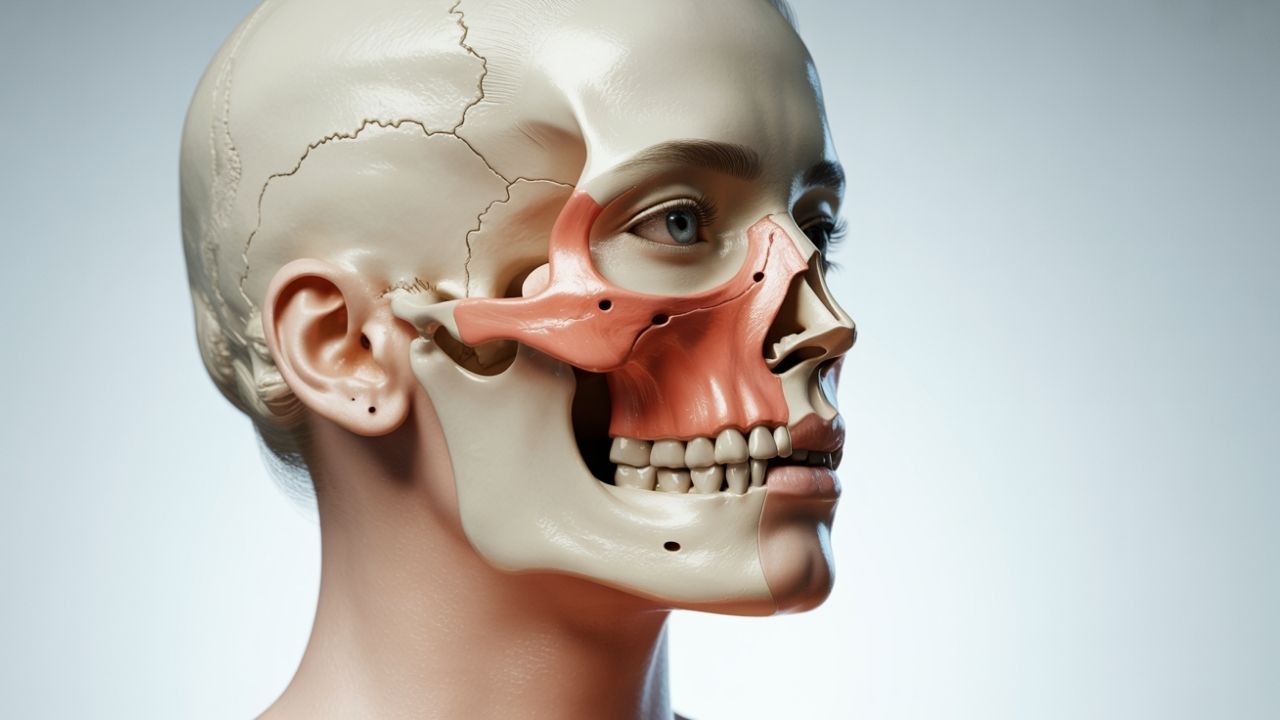
Upper jaw bone loss can limit the success of traditional dental implant methods. When the maxillary bone shrinks, there may not be enough support for standard implants that rely on the jawbone for stability.This condition, often called maxillary atrophy, changes how treatment planning occurs. Patients experiencing upper jaw bone loss may need different approaches because conventional implant placement becomes more difficult.
What Causes Upper Jaw Bone Loss?
Several factors contribute to bone loss in the upper jaw. Tooth loss over time, periodontal disease, and natural aging can reduce bone volume. Trauma or certain medical conditions may also accelerate the process.As bone density decreases, the sinus cavity can expand downward. This further reduces available bone height for implant placement.
Traditional Implant Challenges in Cases of Bone Loss
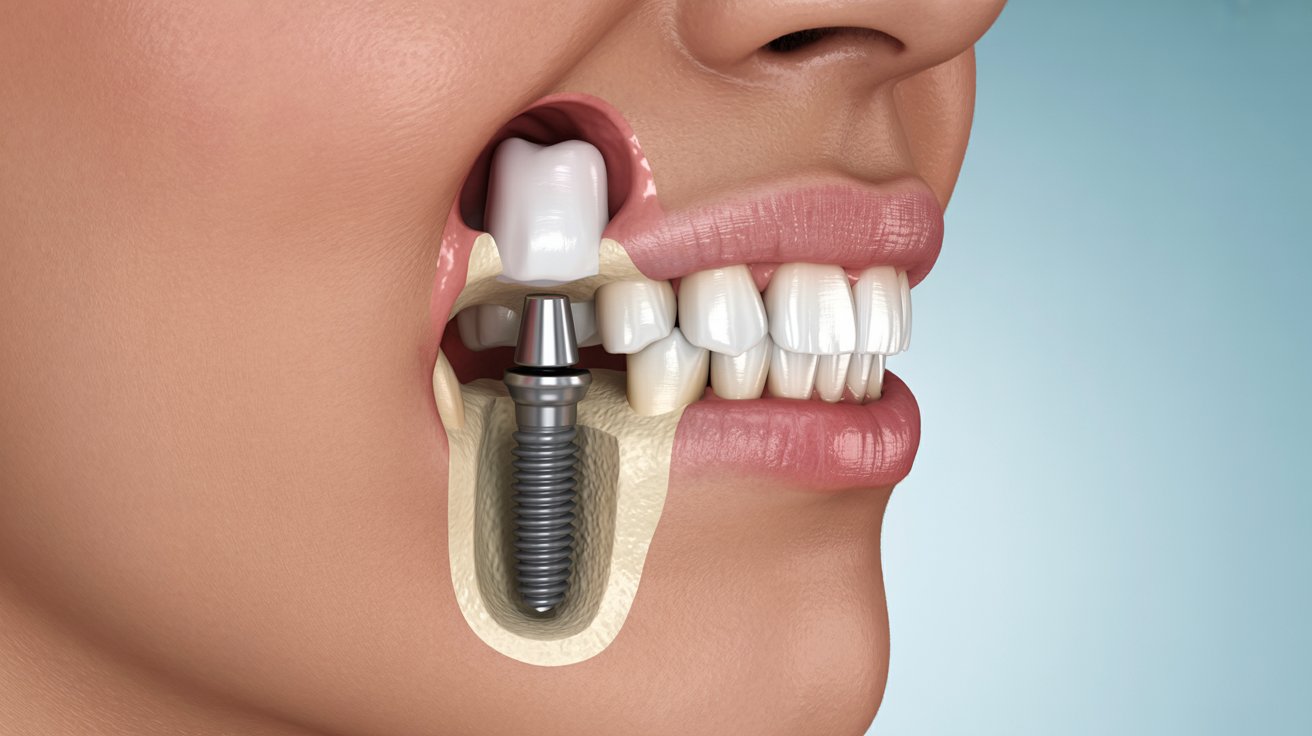
Traditional implants require sufficient bone width and height. In advanced upper jaw bone loss, the remaining bone may be too thin or soft to hold an implant securely.Without enough bone, the risk of implant failure increases. Sinus proximity also complicates placement in the posterior upper jaw.
- Insufficient bone volume for primary stability
- Higher chance of sinus membrane perforation
- Need for additional grafting procedures
- Longer overall treatment timelines
How Bone Loss Impacts Implant Alternatives
When traditional methods face limitations, other options may be considered. Zygomatic implants or bone grafting techniques are sometimes discussed during evaluation.Each alternative depends on individual anatomy and health status. A detailed clinical examination and imaging help determine suitability.
| Factor | Traditional Implants | Alternative Approaches |
|---|
| Bone Requirement | Needs adequate jawbone volume | May use other bone structures |
| Sinus Area | Often affected by expansion | Designed to bypass limited bone |
| Healing Time | Can extend with grafting | Varies by chosen method |
| Evaluation Needed | 3D imaging and exam | Comprehensive assessment required |
Why Personal Assessment Matters
Every case of upper jaw bone loss presents differently. Factors such as overall health, remaining bone quality, and sinus position influence decisions.Only a qualified professional can evaluate whether traditional implants remain possible or if other routes should be explored.
Frequently Asked Questions
Can upper jaw bone loss prevent traditional implants?
Significant bone loss may make standard implant placement difficult. Suitability depends on the amount of remaining bone and sinus position.
What is maxillary atrophy?
Maxillary atrophy refers to the gradual loss of bone in the upper jaw. It often follows tooth loss or long-term gum disease.
Are there implant alternatives for severe bone loss?
Yes, options such as zygomatic implants or grafting may be discussed. The right choice requires thorough examination and imaging.
How does bone loss affect healing after implant surgery?
Reduced bone volume can slow healing and increase complications. Additional procedures may be needed to improve outcomes.
Is bone grafting always required with upper jaw bone loss?
Not in every case. Some patients may qualify for alternative implant techniques that avoid or minimize grafting.
Does upper jaw bone loss cause pain or other symptoms?
Bone loss itself often causes no pain. Changes in bite, denture fit, or facial appearance may become noticeable over time.
Conclusion
Upper jaw bone loss creates specific challenges for traditional dental implants. Understanding these effects helps patients ask informed questions during consultations. Personal evaluation remains essential to identify suitable options based on individual circumstances.
Uzman Bilgisi
This content is prepared for general informational purposes in the field of oral, dental and maxillofacial surgery. Prof. Dr. Celal Çandırlı’s more than 20 years of professional experience and training at England NHS Poole Hospital and Newcastle Freeman Hospital support the scientific and clinical presentation of the topic.
This content is for general information purposes only and does not replace diagnosis or treatment. Consult your dentist or a qualified health professional for any oral, dental or jaw health concerns.