Zygomatic Implant Recovery: Common Questions Answered
Zygomatic implant recovery involves a structured healing process that differs from conventional dental implant procedures. Patients often have questions about swelling, diet changes, and activity restrictions during this period. This article explains the general healing timeline, aftercare tips, and recovery expectations in clear terms.Understanding what to expect helps reduce anxiety and supports smoother healing. Every individual’s response to surgery varies, so personal assessment by a qualified professional remains essential.
Zygomatic Implant Recovery Timeline Overview
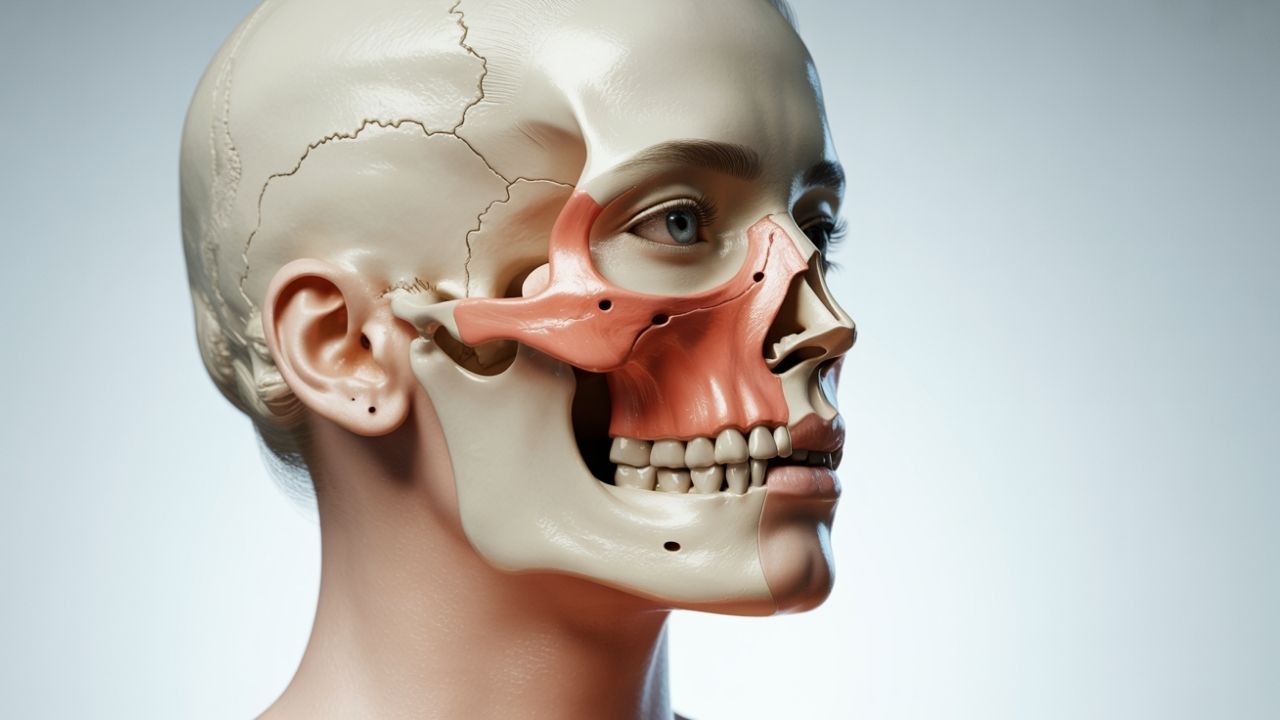
The initial phase of zygomatic implant recovery usually lasts one to two weeks. Swelling and bruising are most noticeable during the first three to five days and gradually decrease. Most patients return to light daily activities within seven to ten days, although full bone integration takes several months.Healing continues over three to six months as the implants stabilize within the cheekbone. Regular follow-up visits allow monitoring of progress and early detection of any concerns.
Aftercare Tips for Zygomatic Implant Recovery
- Apply cold compresses intermittently during the first 48 hours to limit swelling.
- Maintain a soft or liquid diet for the first two weeks to protect the surgical site.
- Avoid strenuous exercise and heavy lifting for at least three weeks.
- Keep the mouth clean with prescribed rinses and gentle brushing once approved.
- Take medications exactly as directed and attend all scheduled check-ups.
| Stage | General Description |
|---|
| First Week | Swelling peaks; soft foods and rest are recommended. |
| Weeks 2–4 | Gradual return to normal activities; follow-up imaging may occur. |
| Months 3–6 | Bone integration continues; final prosthetic planning begins. |
Recovery Expectations and Possible Side Effects
Some temporary numbness or tightness around the upper jaw and cheek area is common during zygomatic implant recovery. These sensations usually improve over several weeks. Persistent pain, fever, or unusual discharge should prompt immediate contact with the treating clinician.Individual factors such as general health, smoking status, and adherence to aftercare instructions influence overall recovery speed and comfort.
Frequently Asked Questions
How long does swelling last after zygomatic implant surgery?
Swelling typically reaches its peak within three days and subsides noticeably by the end of the second week. Complete resolution may take up to four weeks.
What foods are suitable during zygomatic implant recovery?
Soft, cool, and nutrient-rich foods such as smoothies, yogurt, and mashed vegetables are generally advised for the first two weeks. Hard or crunchy items should be avoided until healing advances.
When can normal physical activity resume?
Light walking is encouraged early, but intense exercise and heavy lifting are usually postponed for at least three weeks to protect the surgical area.
Is numbness normal after zygomatic implant placement?
Temporary numbness or altered sensation around the cheek and upper lip can occur and often improves within several weeks as nerves recover.
How important are follow-up appointments during recovery?
Follow-up visits allow monitoring of healing, removal of sutures if needed, and early management of any issues that may arise.
Can smoking affect zygomatic implant recovery?
Smoking can slow healing and increase complication risk. Patients are generally advised to avoid tobacco products throughout the recovery period.
Conclusion
Zygomatic implant recovery follows a predictable yet individual course that requires patience and careful adherence to aftercare guidelines. Personal evaluation by a qualified health professional is necessary to determine suitability and monitor progress.
Expert Information
This content has been prepared for general informational purposes in the field of oral, dental and maxillofacial surgery. Prof. Dr. Celal Çandırlı’s more than 20 years of professional experience and training at England’s NHS Poole Hospital and Newcastle Freeman Hospital contribute to the scientific and clinical perspective presented.
This content is for general information purposes only; it does not replace diagnosis or treatment. For complaints related to oral, dental and jaw health, consult your dentist or relevant specialist health professional.