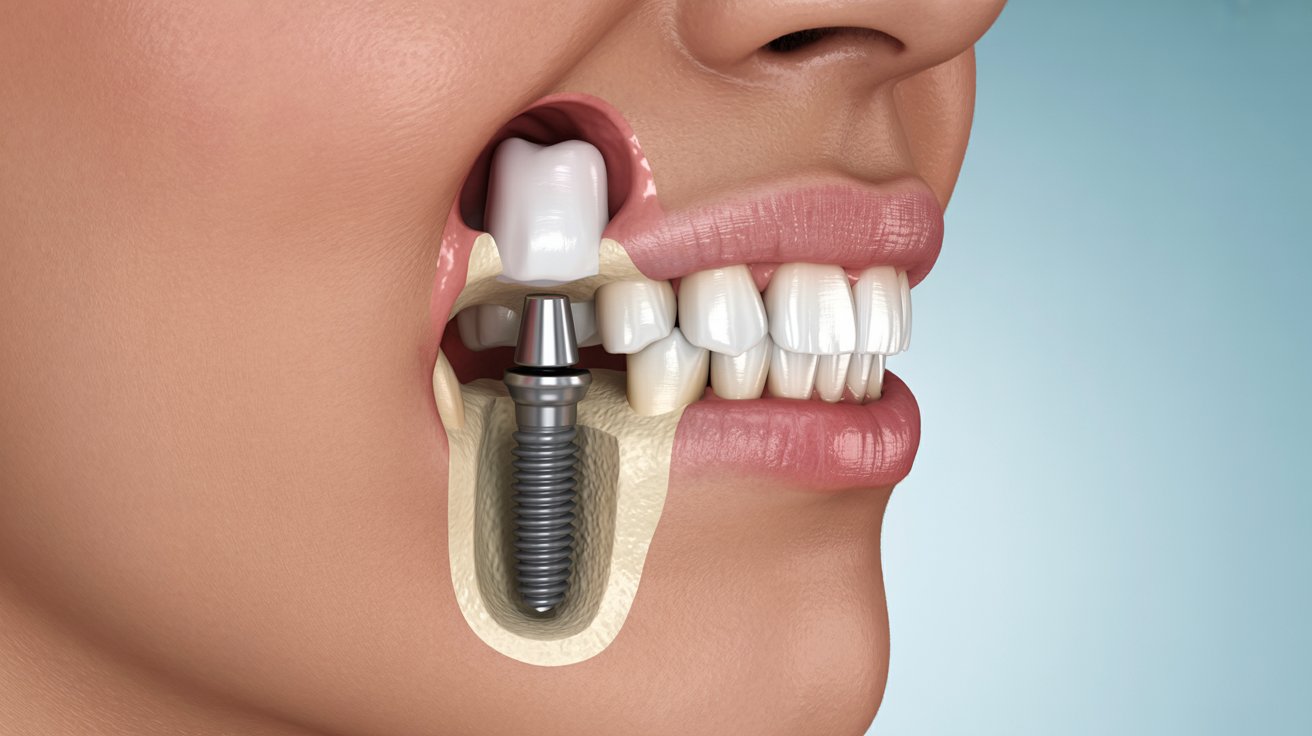
TMJ Disorders and Their Impact on Zygomatic Implant Planning
TMJ disorders zygomatic implants planning requires careful attention because jaw joint issues can influence overall treatment suitability. Temporomandibular joint (TMJ) disorders involve pain, clicking, or limited movement in the jaw joint and surrounding muscles. These conditions may affect how implant options are evaluated in patients with significant upper jaw bone loss.Understanding the relationship between TMJ disorders and zygomatic implants helps patients recognize why joint evaluation forms an important part of the assessment process. Implant planning challenges often arise when jaw function is compromised, making detailed examination necessary before any decisions.
What Are TMJ Disorders?
TMJ disorders refer to problems affecting the temporomandibular joint, which connects the jawbone to the skull. Symptoms can include jaw pain, headaches, earaches, or difficulty opening the mouth fully. These issues may develop from injury, arthritis, teeth grinding, or stress-related muscle tension.
How TMJ Disorders Influence Zygomatic Implant Planning
TMJ disorders zygomatic implants consideration begins with assessing jaw movement and bite alignment. Limited mouth opening or joint instability can complicate surgical access and prosthetic design. Joint evaluation helps determine whether additional preparatory steps are needed to improve function before proceeding.
- Reduced jaw mobility may limit the ability to perform precise implant placement.
- Uneven bite forces could affect long-term stability of the prosthesis.
- Pain or inflammation might require management prior to any surgical intervention.
Key Implant Planning Challenges Related to TMJ
Implant planning challenges in the presence of TMJ disorders often center on accurate imaging and functional analysis. Three-dimensional scans must account for jaw position changes caused by joint problems. Collaboration between specialists ensures that both the joint condition and bone structure receive proper attention.
| Aspect | General Consideration |
|---|
| Joint Evaluation | Clinical examination and imaging assess movement range and pain levels. |
| Bite Analysis | Alignment and force distribution are reviewed for prosthetic fit. |
| Timing | TMJ management may precede implant procedures depending on severity. |
| Alternative Options | Other approaches are discussed when joint issues limit standard methods. |
Joint Evaluation Before Zygomatic Implant Procedures
Joint evaluation typically includes physical examination, panoramic radiographs, and possibly MRI or CT scans. These steps help identify whether TMJ disorders zygomatic implants interaction could lead to complications during healing. Patients are advised that findings from this evaluation guide the overall approach on an individual basis.
Possible Management Approaches
Management may involve conservative measures such as physical therapy, splints, or medication before implant-related steps. In some cases, addressing the joint condition first improves the predictability of subsequent procedures. Each situation varies, and personal assessment remains essential.
Sık Sorulan Sorular
Can TMJ disorders prevent zygomatic implant placement?
TMJ disorders do not automatically rule out zygomatic implants. Suitability depends on the severity of joint issues, bone availability, and overall health, which requires individual evaluation through clinical examination and imaging.
How does joint evaluation affect implant planning?
Joint evaluation identifies movement limitations or pain that could influence surgical access and prosthetic design. Findings help shape a safer, more tailored plan for each patient.
Is TMJ treatment always needed before zygomatic implants?
Not every case requires prior TMJ treatment. The decision follows a thorough assessment of symptoms, joint function, and implant site conditions.
What symptoms suggest TMJ issues during implant planning?
Common signs include jaw clicking, pain when chewing, limited opening, or headaches. Mentioning these symptoms during consultation allows proper investigation.
Do zygomatic implants worsen existing TMJ disorders?
Proper planning aims to avoid additional stress on the joint. Outcomes vary, and monitoring after the procedure helps address any changes in jaw comfort.
Can patients with TMJ disorders still receive zygomatic implants?
Many individuals with managed TMJ disorders proceed with zygomatic implants after careful joint evaluation. Final decisions rest on personalized findings rather than general assumptions.
Conclusion
TMJ disorders can introduce specific considerations into zygomatic implant planning, particularly regarding joint function and bite stability. Thorough evaluation supports informed decisions while recognizing that each patient’s circumstances differ. Consulting a qualified specialist remains the most reliable way to understand individual options.
Expert Information
This content is prepared for general informational purposes in the field of oral, dental, and maxillofacial surgery. Prof. Dr. Celal Çandırlı’s more than 20 years of professional experience and training at England NHS Poole Hospital and Newcastle Freeman Hospital contribute to presenting the topic within a scientific and clinical framework.
This content is for general informational purposes only and does not replace diagnosis or treatment. For complaints related to oral, dental, and jaw health, consult your dentist or relevant specialist health professional.