Essential Factors for Zygomatic Implant Candidacy Assessment
Zygomatic implant candidacy assessment helps determine whether this specialized approach may suit individuals with significant upper jaw bone loss. The process focuses on thorough patient evaluation rather than offering a universal solution. Several assessment factors guide whether the method could be considered.Understanding bone quality, overall health status, and anatomical details forms the core of any initial review. Each person’s situation differs, so decisions rely on personalized findings from clinical examination and imaging. This article outlines the main elements involved in such evaluations.
Understanding Zygomatic Implant Candidacy
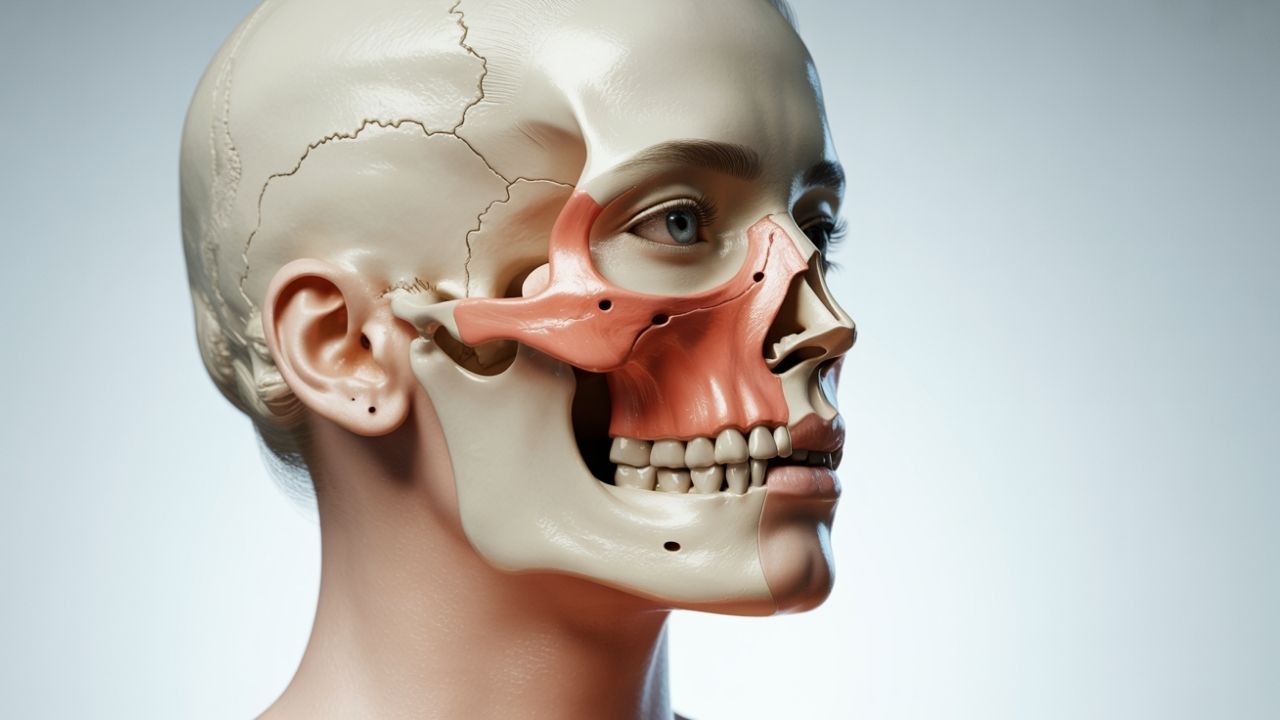
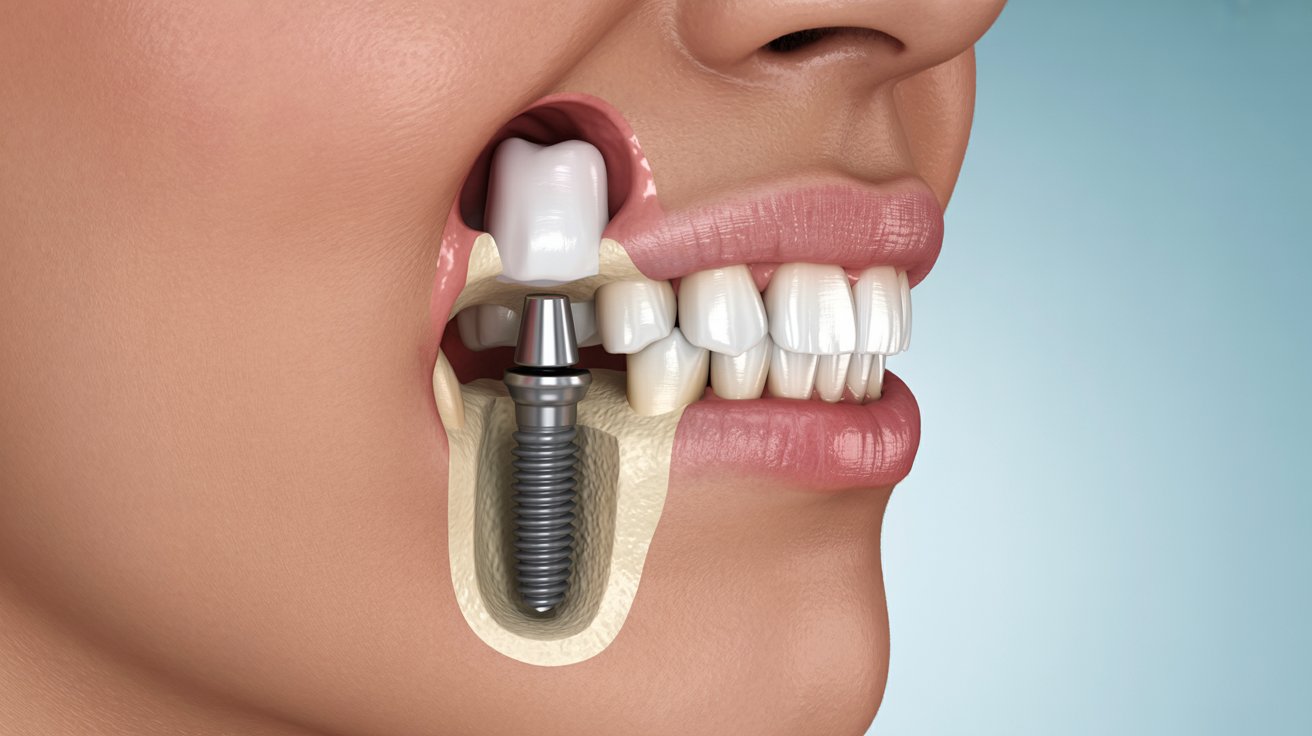
Zygomatic implant candidacy refers to the suitability of using implants anchored in the cheekbone area when conventional options face limitations. The assessment begins with a detailed review of jaw structure and past dental history. Factors like previous surgeries or infections may influence the evaluation.
Role of Bone Quality in Patient Evaluation
Bone quality stands out as a primary consideration during assessment. Dense, healthy bone supports better stability for any implant type. Imaging helps measure thickness and density in the upper jaw and surrounding areas without making assumptions about outcomes.
- Low bone volume in the posterior maxilla often prompts further checks.
- Three-dimensional scans provide clearer views of available support.
- Variations in bone density can affect planning discussions.
Medical Considerations During Assessment
Medical considerations include systemic health conditions that might impact healing or procedure tolerance. Conditions such as uncontrolled diabetes or certain autoimmune disorders require careful review. A full medical history helps identify potential interactions with the proposed approach.
| Assessment Factor | General Description |
|---|
| Bone Quality | Evaluated through imaging to gauge density and volume. |
| Medical History | Reviewed for conditions affecting healing or anesthesia. |
| Anatomical Structure | Checked for sinus position and nerve pathways. |
| Oral Health Status | Assessed for active infections or gum conditions. |
Additional Evaluation Steps
Patient evaluation often involves collaboration between dental and medical specialists. Blood tests or cardiac clearance may be requested in some cases. These steps ensure a comprehensive view before any treatment pathway is discussed.
Frequently Asked Questions
What determines zygomatic implant candidacy?
Candidacy depends on individual bone structure, medical background, and imaging results. A specialist conducts a full patient evaluation to clarify options.
How does bone quality affect assessment factors?
Bone quality influences stability potential and is measured using detailed scans. Lower density may lead to alternative planning discussions.
Are there medical considerations that limit suitability?
Certain systemic conditions can affect healing timelines. Full disclosure of health history supports accurate assessment.
Why is patient evaluation important before considering zygomatic implants?
Evaluation identifies whether the approach aligns with anatomical and health realities. It prevents assumptions and supports informed decisions.
Can assessment factors change over time?
Changes in health or bone status may alter previous conclusions. Regular reviews with a qualified professional help track relevant updates.
Is imaging always required for zygomatic implant candidacy?
Three-dimensional imaging typically forms a key part of the assessment. It provides necessary details on bone quality and positioning.
Conclusion
Zygomatic implant candidacy assessment involves multiple interconnected factors including bone quality and medical considerations. Thorough patient evaluation remains essential for understanding individual suitability. Consultation with a qualified health professional provides the only reliable path to personalized insights.
Expert Information
This content is prepared for general informational purposes in the field of oral and maxillofacial surgery. Prof. Dr. Celal Çandırlı’s more than 20 years of professional experience and training at England’s NHS Poole Hospital and Newcastle Freeman Hospital contribute to presenting the topic within a scientific and clinical framework.
This content is for general informational purposes only and does not replace diagnosis or treatment. Consult a dentist or relevant specialist for oral, dental, or maxillofacial health concerns.