Zygomatic Implant Candidacy: Key Evaluation Factors Explained
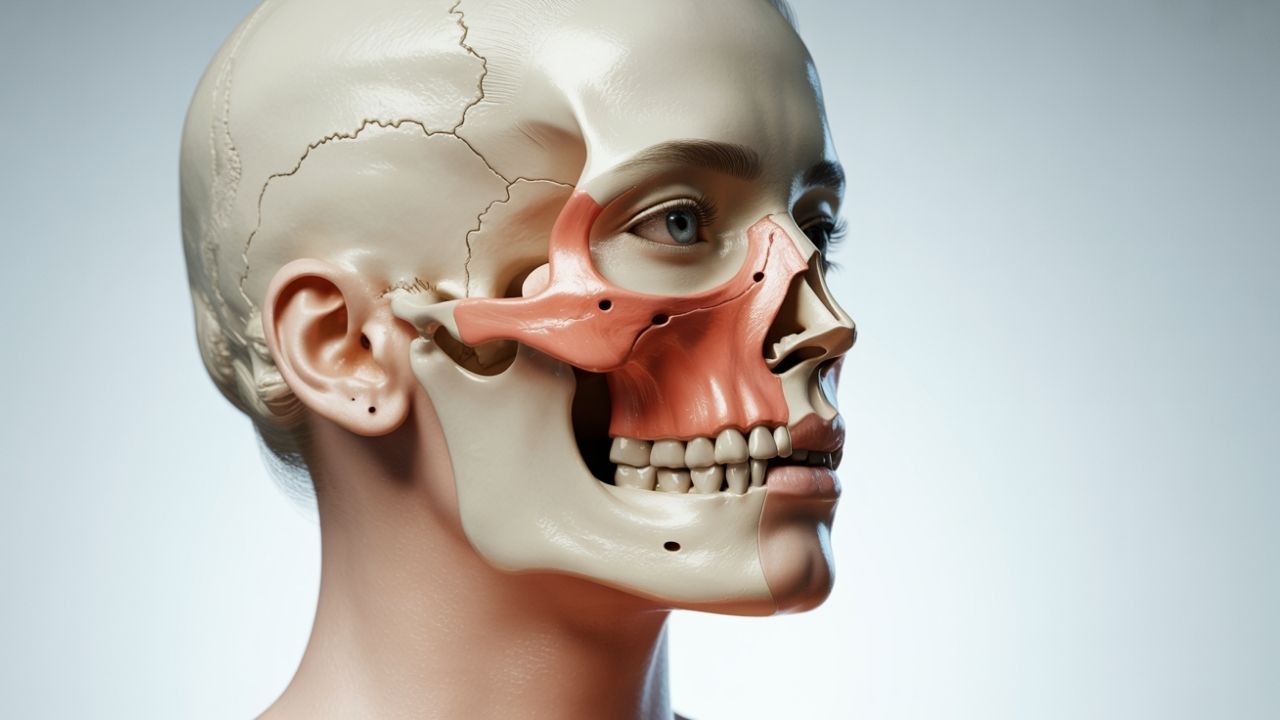
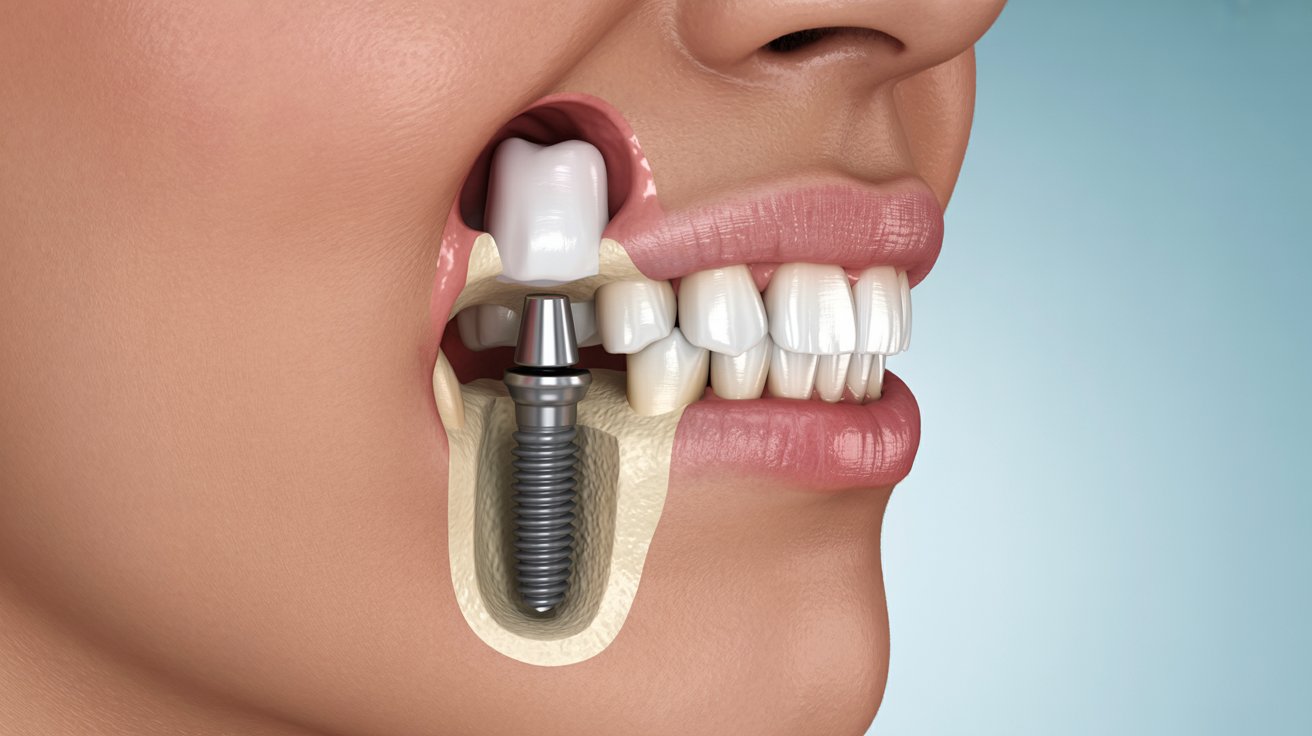
Zygomatic implant candidacy is assessed when patients have significant bone loss in the upper jaw that prevents standard implant placement. This approach uses the cheekbone for support instead of relying solely on the jawbone.Understanding the main factors helps clarify whether this option may be suitable. Every case requires individual review through clinical examination and imaging.The following sections outline the typical points considered during evaluation.
Upper Jaw Bone Evaluation Process
Advanced bone loss in the upper jaw often results from long-term tooth absence, periodontal disease, or previous surgeries. Three-dimensional scans measure remaining bone volume and quality.Special attention is given to the posterior maxilla, where resorption tends to be most severe. This assessment determines if conventional implants can be used or if alternative anchorage is needed.
Zygomatic Implant Factors Considered
Several elements influence zygomatic implant candidacy:
- Degree of bone deficiency in the upper jaw
- Health and density of the cheekbone
- Overall medical status and healing capacity
- Presence of sinus conditions or previous sinus surgery
- Patient’s ability to maintain oral hygiene after treatment
Implant Suitability Assessment Table
| Evaluation Area | General Considerations |
|---|
| Bone Volume | Measured via CBCT to confirm insufficient height for standard implants |
| Cheekbone Quality | Assessed for adequate density to support longer implants |
| Medical History | Reviewed for conditions that may affect healing or surgery |
| Sinus Health | Evaluated to reduce risk of postoperative complications |
Patient Evaluation Guide Steps
A structured evaluation usually begins with a detailed medical and dental history. Clinical examination follows, supported by radiographic imaging.Discussion of possible risks, benefits, and alternatives occurs before any treatment decision. No single factor alone decides suitability; the combination of findings guides the plan.
Sık Sorulan Sorular
Who may be considered for zygomatic implants?
Patients with severe upper jaw bone loss that rules out regular implants may be evaluated. Final decisions depend on imaging and clinical findings.
Is zygomatic implant candidacy the same for everyone?
No. Each person’s bone structure, medical background, and oral condition create different suitability profiles.
What role does upper jaw bone evaluation play?
It identifies the extent of bone loss and helps determine whether zygomatic support is a reasonable option.
Can sinus problems affect candidacy?
Existing sinus conditions may require additional assessment because the implant path passes near the sinus area.
How long does the suitability assessment take?
The process usually involves one or two visits that include examination and imaging review.
Is personal examination necessary before deciding?
Yes. Imaging and clinical evaluation by a qualified professional are required to determine zygomatic implant candidacy accurately.
Conclusion
Zygomatic implant candidacy depends on careful assessment of bone status, medical factors, and individual anatomy. Personal consultation with a specialist remains essential for accurate evaluation.
Expert Information
This content is prepared for general informational purposes in the field of oral and maxillofacial surgery. Prof. Dr. Celal Çandırlı’s more than 20 years of experience and training at England’s NHS Poole Hospital and Newcastle Freeman Hospital support the scientific and clinical perspective presented.
This content is for general information only and does not replace professional medical advice. Consult a qualified healthcare provider for any oral or maxillofacial concerns.