Zygomatic vs Traditional Implants: When Bone Grafting Is Avoided
Zygomatic vs traditional implants is a comparison often considered by patients with severe upper jaw bone loss. Traditional implants usually require adequate bone volume, while zygomatic implants use the cheekbone for support and may help avoid bone grafting procedures in selected cases.Maxillary reconstruction options differ based on individual anatomy and health status. This article explains the general differences, situations where bone grafting avoidance might be discussed, and key points to review with a specialist.
What Are Traditional Dental Implants?
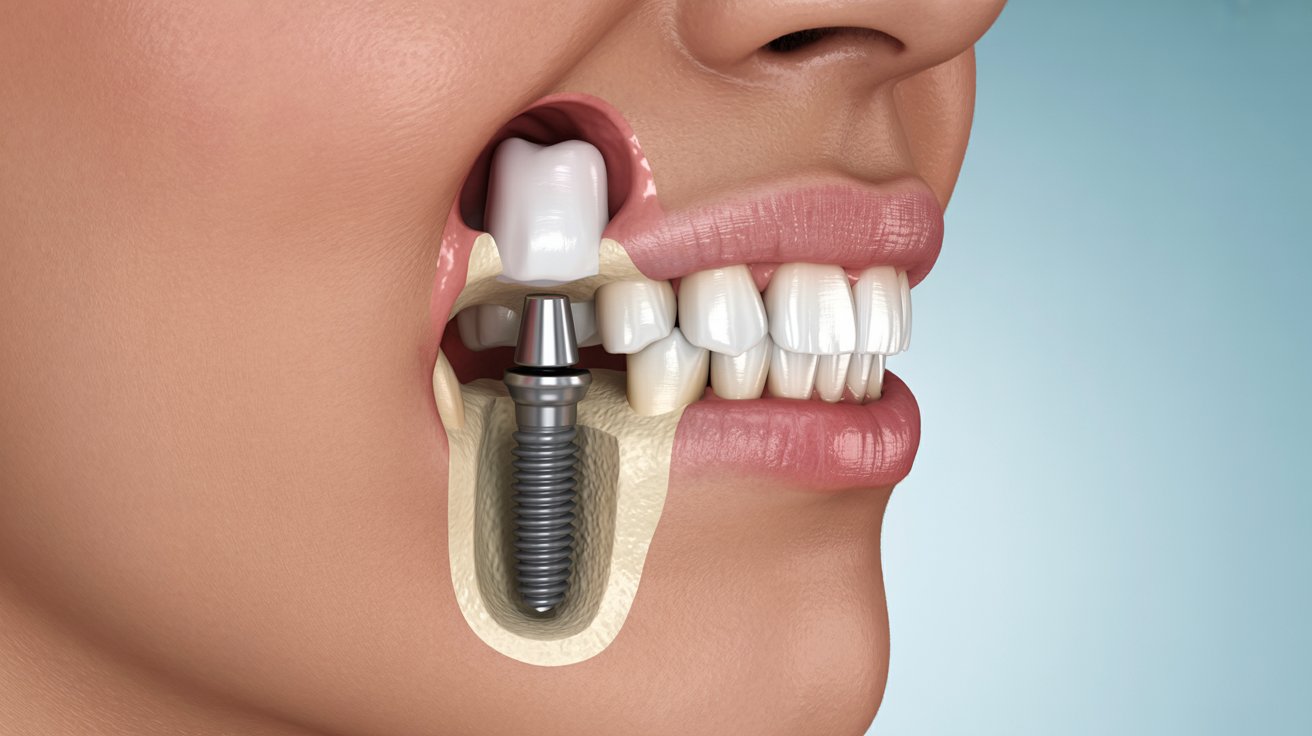
Traditional dental implants are titanium posts placed into the jawbone to replace missing teeth. They rely on sufficient bone height and width for stability. In cases of advanced bone resorption, additional procedures such as bone grafting may be needed before implant placement can proceed.
What Are Zygomatic Implants?
Zygomatic implants are longer fixtures anchored in the zygomatic bone rather than the maxillary alveolus. This approach can provide support when the upper jaw bone is severely reduced. Bone grafting avoidance is one reason this method is sometimes evaluated for patients with significant maxillary atrophy.
Zygomatic vs Traditional Implants: Key Differences
The main distinction lies in anchorage and preparatory steps. Traditional implants focus on the jaw ridge, whereas zygomatic implants utilize the cheekbone. Both options require careful assessment of sinus health, overall medical condition, and oral anatomy.
| Aspect | Traditional Implants | Zygomatic Implants |
|---|
| Bone Requirement | Adequate maxillary bone needed | Uses zygomatic bone for support |
| Bone Grafting | Often required in severe loss | Frequently avoided |
| Procedure Complexity | Standard placement after grafting | Specialized surgical planning |
| Healing Considerations | Graft integration time varies | Direct anchorage may shorten some stages |
When Bone Grafting Avoidance Is Discussed
Bone grafting avoidance becomes relevant when the maxillary bone volume is too low for conventional implant stability. Severe bone loss solutions such as zygomatic implants are sometimes reviewed after three-dimensional imaging and clinical examination. Suitability depends on factors including sinus anatomy and general health.
General Considerations for Implant Comparison
- Both methods aim to restore function but follow different surgical pathways.
- Preoperative evaluation usually includes CT scans and medical history review.
- Postoperative care focuses on infection prevention and gradual loading of the implants.
- Long-term success rates vary with patient-specific conditions and maintenance.
Frequently Asked Questions
Can zygomatic implants completely replace the need for bone grafting?
In selected patients with severe maxillary bone loss, zygomatic implants may allow treatment without grafting. Final decisions require detailed radiographic and clinical assessment.
How does recovery differ between zygomatic and traditional implants?
Recovery timelines vary. Zygomatic procedures often involve different swelling patterns and dietary restrictions during the initial weeks compared with standard implant cases.
Are zygomatic implants suitable for everyone with bone loss?
Not every patient is a candidate. Zygomatic implants are evaluated when traditional options are limited by bone quantity and grafting is to be avoided.
What imaging is typically needed before deciding between these options?
Cone-beam computed tomography or medical CT scans are commonly used to assess bone volume, sinus status, and zygomatic bone quality.
Does maxillary reconstruction always involve implants?
Maxillary reconstruction can include several approaches. Implant-supported solutions are one possibility among others, chosen according to individual needs.
Is there a higher risk with zygomatic implants?
Every surgical procedure carries potential risks. Specific complications related to zygomatic placement are discussed during consultation based on personal anatomy.
Conclusion
Zygomatic vs traditional implants presents different pathways for addressing severe bone loss in the upper jaw. Bone grafting avoidance is possible in certain situations with zygomatic implants, yet every case requires individualized evaluation through imaging and specialist examination.
Expert Information
This content is prepared for general informational purposes in the field of oral and maxillofacial surgery. Prof. Dr. Celal Çandırlı’s more than 20 years of professional experience and training at England NHS Poole Hospital and Newcastle Freeman Hospital contribute to the scientific and clinical perspective presented.
This content is for general information only and does not replace diagnosis or treatment. Consult a dental professional or specialist for any oral or maxillofacial health concerns.